 ✨ AI Generated
Chion-in Temple
Japanese: 知恩院
Higashiyama Ward, Kyoto
This information was written by AI and may contain mistakes. Please check official sources for opening hours, fees, and other details before you go.
Found a mistake? Let us know with “✏️ Something's wrong” on this spot's screen in asobot →
🎧 Audio guide(1:05)
In short
The head temple of the Jodo sect of Buddhism, built on the site where the sect's founder, Honen Shonin, propagated the teachings of the Nembutsu and passed away. It is formally named Kacho-zan Chion-kyoin Otani-dera, and during the Edo period, with the support of Tokugawa Ieyasu, Hidetada, and Iemitsu, today's grand temple complex was formed.
- National Treasures: Sanmon Gate and Miei-do Hall: The Sanmon gate, built in 1621 (the 7th year of the Genna era) by order of Tokugawa Hidetada, is among the largest wooden gates in Japan. Miei-do Hall, which enshrines the image of Honen Shonin, was built in 1639 (the 16th year of the Kan'ei era) by Iemitsu
- The Seven Wonders of Chion-in: Legends are handed down of the "uguisubari (nightingale) floors," which make sounds like the chirping of a bush warbler when walked upon, the "Wasuregasa" (forgotten umbrella), which Hidari Jingoro is said to have left as a talisman against evil, and the "Nukesuzume" (escaped sparrows), sparrows painted by Kano Nobumasa that supposedly flew away
- The Great Bell Tower and the Hojo Garden: The large bell hanging in the Great Bell Tower, an Important Cultural Property, weighs approximately 70 tons and is rung by 17 monks for the New Year's Eve bell. The Hojo Garden is a National Place of Scenic Beauty
History and Highlights
Chion-in Temple is the head temple of the Jodo sect of Buddhism, built on the site where the sect's founder, Honen Shonin, propagated the teachings of the Nembutsu and passed away. Its official name is Kacho-zan Chion-kyoin Otani-dera, and temple buildings of various sizes spread across the foot of Mt. Kacho, one of the Thirty-Six Peaks of Higashiyama. After descending Mt. Hiei, Honen Shonin moved to a hermitage in Yoshimizu near where the present Miei-do Hall stands, preaching the Nembutsu. After his passing, his disciple Genchi Shonin prepared his grave and built a hall in 1234 (the first year of the Bunryaku era), naming it Chion-kyoin Otani-dera.
During the Edo period, Tokugawa Ieyasu expanded the temple precinct to pray for the repose of his birth mother, Dentsu-in. With the support of Ieyasu, Hidetada, and Iemitsu, today's grand temple complex was formed. Within the grounds stand numerous Important Cultural Property buildings, including the Sanmon gate and Miei-do Hall, both designated as National Treasures.
Sights and Experiences
- National Treasures: Sanmon Gate and Miei-do Hall: The Sanmon gate was built in 1621 (the 7th year of the Genna era) by order of the second shogun, Tokugawa Hidetada. Measuring 24 meters in height and 50 meters in width, it is among the largest wooden gates in Japan. Passing through the Sanmon and climbing the stone steps brings you to Miei-do Hall, which enshrines the image of Honen Shonin and was built in 1639 (the 16th year of the Kan'ei era) by the third shogun, Iemitsu.
- The Seven Wonders of Chion-in: The corridors connecting Miei-do Hall to the Shukaido, Ohojo, and Kohojo feature "uguisubari (nightingale) floors," which make sounds like the chirping of a bush warbler when walked upon. Under the eaves at the front of Miei-do Hall is the "Wasuregasa" (forgotten umbrella), which master craftsman Hidari Jingoro is said to have left as a talisman against evil. In the Chrysanthemum Room of the Ohojo, there is a legend of the "Nukesuzume" (escaped sparrows), sparrows painted so skillfully by Kano Nobumasa that they supposedly flew away.
- Hojo Garden and Yuzen-en Garden: The Hojo Garden is a pond-strolling garden designated as a National Place of Scenic Beauty, said to have been created in the early Edo period by the monk Gyokuen, who had ties to Kobori Enshu. It displays the atmosphere of all four seasons, including spring cherry blossoms and autumn foliage reflected in the pond. Yuzen-en Garden is a garden refurbished and landscaped in 1954 (the 29th year of the Showa era) to commemorate the 300th anniversary of the birth of Miyazaki Yuzen, the founder of Yuzen dyeing.
Visitor Tips
The Great Bell Tower (an Important Cultural Property), which hangs a large bell known for the ringing of the New Year's Eve bell (Joya no Kane), is also one of the highlights. Cast in 1636 (the 13th year of the Kan'ei era), the bell weighs approximately 70 tons and is rung by 17 monks on New Year's Eve. The temple is wheelchair accessible, and wheelchairs are available for loan. It is about an 8-minute walk from Higashiyama Station on the Subway Tozai Line, and about 5 minutes from the Chion-in-mae municipal bus stop. Shoren-in Temple is directly to the north, and Maruyama Park and Yasaka-jinja Shrine lie to the southwest.
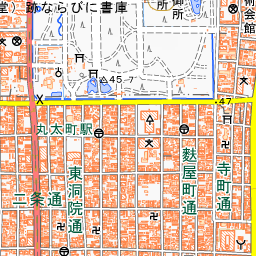


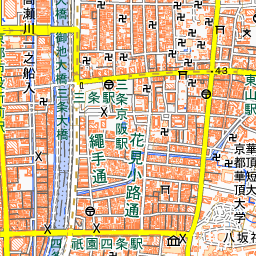


Spot location © OpenStreetMap contributors (ODbL)
Open in Google MapsGuides that include this spot (1)
Use asobot while you walk
- See where you are on the map and find spots nearby
- Listen to the guide's audio in course order, one after another (with subtitles)
- Walk to the next spot while following the map
Open on your phone
Scan to open this spot in asobot on your phone.