 ✨ AI Generated
Omoide Yokocho
Japanese: 思い出横丁
Shinjuku City, Tokyo
This information was written by AI and may contain mistakes. Please check official sources for opening hours, fees, and other details before you go.
Found a mistake? Let us know with “✏️ Something's wrong” on this spot's screen in asobot →
🎧 Audio guide(1:01)
In short
Omoide Yokocho is a drinking alley located by the West Exit of Shinjuku Station. Its predecessor was "Lucky Street," a black market that emerged immediately after the end of World War II. Today, about 60 eateries line the alley, primarily serving motsuyaki (grilled offal) and yakitori (grilled chicken skewers).
- An alley tracing back to a black market: It originated as the black market "Lucky Street," an open-air marketplace divided simply by single wooden door panels.
- Motsuyaki establishments: More than half of the approximately 60 eateries are yakitori or motsuyaki shops.
- Adjoining shops: As a remnant of the structure divided only by wooden boards, many adjacent shops still share touching walls today.
History and Highlights
Omoide Yokocho is a drinking alley at the West Exit of Shinjuku Station, where approximately 60 eateries stand, centered on motsuyaki and yakitori shops.
Its beginnings date back to the immediate post-war era. Around 1946, street vendors and food stalls lined the area in front of the West Exit, which had been reduced to ashes, but a fire burned them all down. What appeared afterward was "Lucky Street," a black market consisting of open stalls partitioned only by single wooden door panels. This was the predecessor of Omoide Yokocho.
Around 1947, strict regulations were placed on controlled goods such as wheat flour, making business difficult. In response, many shops began operating as motsuyaki stalls using beef and pork offal, which were not controlled goods. As a remnant of that period, more than half of the eateries today remain yakitori or motsuyaki shops. Around 1959, redevelopment led to the eviction of approximately 300 shops that once stretched from Koshu Kaido to Ome Kaido, leaving the shops located between the current Palette Building (Shinjuku Nishiguchi Kaikan) and Ome Kaido.
Viewing and Experiencing Points
- Shopfronts retaining remnants of wooden door partitions: The layout partitioned by single wooden panels is still preserved today. Many shops are built with their walls directly touching adjacent shops, and numerous barrack-style structures built during the black market era still remain.
- Tastes handed down through generations: The pioneer of motsuyaki in the alley is a shop founded in 1947. Some shops grill using sauces replenished continuously over generations, while others continue serving signature dishes made with recipes unique to each establishment.
- Omoide Yokocho Day: On November 24, 1999, a fire burned down roughly one-third of the alley. Drawing lessons from this event, November 24 has been designated as "Omoide Yokocho Day" every year, and disaster prevention drills are conducted across the entire alley during the daytime.
Tips for Exploring
Many shops accept cash only, so be sure to bring cash with you. Shops along Naka-dori do not have restrooms inside, so patrons use shared public restrooms. Some establishments charge an otoshi (table charge / starter dish fee) or impose a time limit on stays. Smoking is prohibited inside the alley, except within shops where smoking is permitted. The SOMPO Museum of Art is approximately 270 meters to the west, and the Tokyo Metropolitan Government Building No. 1 is approximately 810 meters to the southwest.
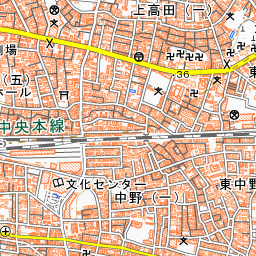
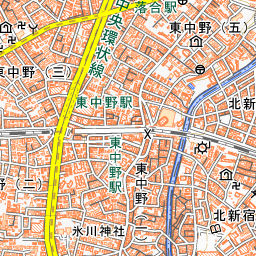
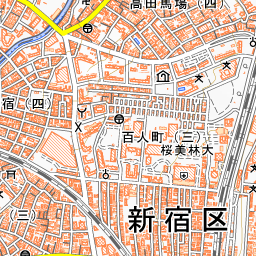
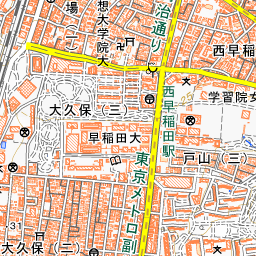
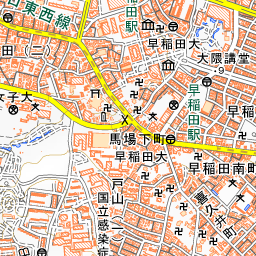
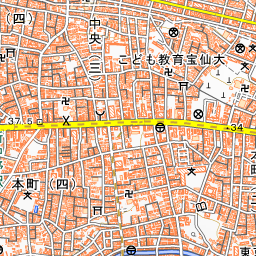
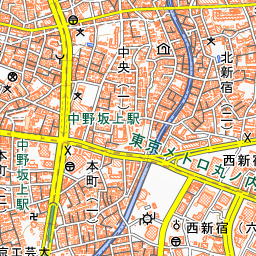
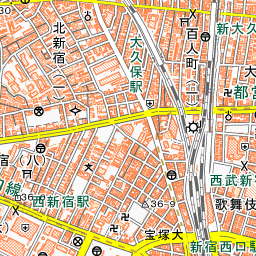
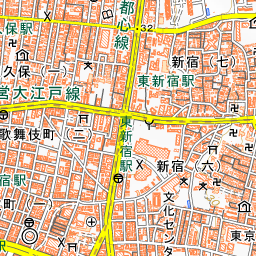
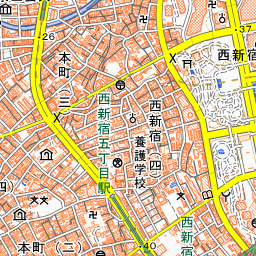
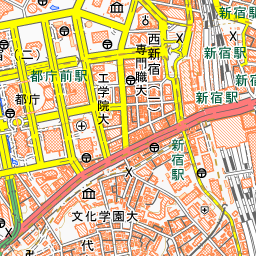
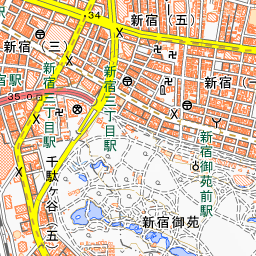
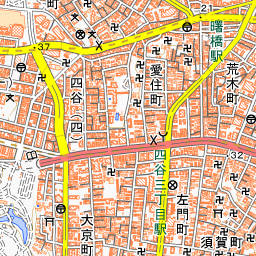
Spot location © OpenStreetMap contributors (ODbL)
Open in Google MapsGuides that include this spot (1)
Use asobot while you walk
- See where you are on the map and find spots nearby
- Listen to the guide's audio in course order, one after another (with subtitles)
- Walk to the next spot while following the map
Open on your phone
Scan to open this spot in asobot on your phone.