 ✨ AI Generated
Niijima Island
Japanese: 新島
Niijima Village, Tokyo
This information was written by AI and may contain mistakes. Please check official sources for opening hours, fees, and other details before you go.
Found a mistake? Let us know with “✏️ Something's wrong” on this spot's screen in asobot →
🎧 Audio guide(1:02)
In short
Niijima Island is an island in the Izu Islands, located about 160 kilometers south of central Tokyo. It is a long, narrow island stretching north to south, known for its image as a white island with white sand beaches and white cliffs. Its local specialty, Koga stone, is used in building materials and Moyai statues, creating characteristic island scenery.
- Habushiura: A pure white sandy beach stretching for about 6.5 kilometers on the island's east coast, and a popular surfing spot.
- Scenery of Koga Stone: You can walk along Sunangoi paths bordered by Koga stone walls. Moyai statues also stand in various places around the island.
- Culture of Exiles: The island preserves an exile cemetery from its time as a penal colony, as well as the Grand Dance, a National Important Intangible Folk Cultural Property.
History and Highlights
Niijima Island is an island in the Izu Islands, located about 160 kilometers south of central Tokyo. It has an area of about 23.64 square kilometers and a circumference of about 41.6 kilometers, with an elongated shape from north to south. It is an island formed by the connection of two volcanoes: Mt. Miyatsuka in the north and Mt. Mukaiyama in the south. Together with neighboring Shikinejima Island, it forms a single village called Niijima Village.
The island is known for its image as a white island, featuring white sand beaches and white cliffs. Its local specialty, Koga stone (also written with characters meaning fire-resistant stone), was formed from lava from the eruption of Mt. Mukaiyama in the southern part of the island. It is a soft and easily workable stone, mainly used as a building material from the Meiji era to the Showa era. The Moyai statues standing around the island are also made from this stone. "Moyai" is an island dialect word meaning to join forces. The Moyai statue in Shibuya, Tokyo, was also donated by Niijima Island.
Niijima Island was a place of exile for about 200 years, beginning in the early Edo period. A total of 1,333 people are said to have been exiled here. In the exile cemetery, 118 tombstones are preserved, including headstones shaped like sake barrels or dice. These are said to have been made out of the compassion of Ishimatsu, a stonemason who was a fellow exile. The "Niijima Grand Dance," whose roots are said to trace back to the Furyu Odori dance of the Muromachi period, is a performing art brought here during this era and is designated as a National Important Intangible Folk Cultural Property.
Viewing and Experience Tips
- Sunangoi Paths: Walking routes where you can stroll along paths of white sand lined with Koga stone walls. "Sunangoi" is said to be a dialect word meaning a path with so much sand that one's feet tend to sink in. The residences are located on slightly lower ground to protect them from strong sea winds.
- Views from Observatories: From Ishiyama Observatory in the south, you can look out toward Shikinejima Island and Kozushima Island. Tobune Observatory in the north, marked by a Koga stone arch, overlooks Wakago Fishing Port and Toshima Island.
- Sunrise, Sunset, and Starry Skies: With beaches on both the east and west sides of the island, you can watch both the sunrise and the sunset. Away from residential areas, it gets dark and many stars can be seen. Be sure to carry a flashlight.
Travel Advice
From Takeshiba Pier, it takes about 2 hours and 30 minutes to 3 hours and 30 minutes by high-speed jetfoil, and about 8 to 9 hours by overnight large passenger ship. From Chofu Airport, it is about 35 minutes by plane. Upon arrival, stopping first at the Niijima Village Museum can make your stay on the island even more enjoyable. The island is surprisingly large, and walking from lodgings in central Honson to the hot springs takes around 30 minutes. It is best to combine walking with rental cars or rental bicycles. There are no convenience stores on the island. On the east coast of the island lies Habushiura, where a pure white sand beach extends for about 6.5 kilometers, making it a popular surfing spot. Information on the coast is covered under Habushiura, and hot springs under Yunohama Open-air Onsen. Shikinejima Island can be reached in 10 to 15 minutes by the "Nishiki" ferry.

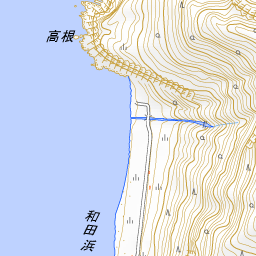
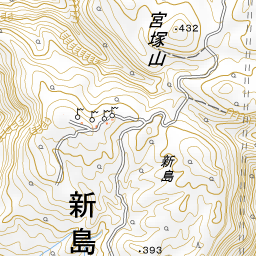

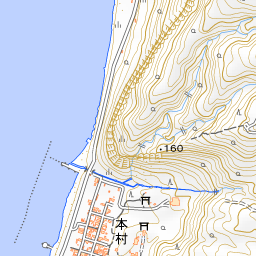




Spot location © OpenStreetMap contributors (ODbL)
Open in Google MapsGuides that include this spot (1)
Use asobot while you walk
- See where you are on the map and find spots nearby
- Listen to the guide's audio in course order, one after another (with subtitles)
- Walk to the next spot while following the map
Open on your phone
Scan to open this spot in asobot on your phone.