 ✨ AI Generated
Okuda Genso Sayume Art Museum
Japanese: 奥田元宋・小由女美術館
Miyoshi, Hiroshima
This information was written by AI and may contain mistakes. Please check official sources for opening hours, fees, and other details before you go.
Found a mistake? Let us know with “✏️ Something's wrong” on this spot's screen in asobot →
🎧 Audio guide(1:06)
In short
The Okuda Genso Sayume Art Museum is named after the husband and wife Okuda Genso, a Japanese-style painter, and Okuda Sayume, a doll artist. The "art museum for the two of them," which the couple had long envisioned, was realized when they donated a collection of their works to Genso's hometown of Miyoshi City, and it opened in 2006.
- Exhibition rooms of the two artists: In Genso's exhibition room, you can see large landscape masterpieces, sketches, and tools such as painting materials, while Sayume's exhibition room features large-scale doll masterpieces
- The water basin and "Taigetsu": The water basin in front of the lobby was installed to beautifully showcase the moon, an indispensable element in Genso's works. On full moon days, the museum extends its opening hours, and you can view the scenery of his signature work "Taigetsu" from the lobby
- The entrance maple: The Japanese maple beside the entrance, the museum's symbol tree, turns colors reminiscent of "Genso Red" at the peak of autumn foliage
History and Highlights
Okuda Genso Sayume Art Museum is an art museum named after the husband and wife duo of Nihonga (Japanese-style painting) artist Okuda Genso and doll artist Okuda Sayume. Genso was born in what is now Kisa-cho, Miyoshi City. The "art museum for the two of them," which the couple had envisioned for a long time, was realized when they donated a collection of their works to his hometown of Miyoshi City, opening in 2006 (Heisei 18).
Genso produced many landscape paintings featuring the moon and the sun. The red tones that form the base of his works are affectionately known as "Genso Red." The exhibition, where the two-dimensional nature of Japanese-style paintings resonates with the three-dimensional forms of Sayume's dolls, is a unique charm found only at this museum.
The building was designed by architect Yanagisawa Takahiko and was constructed to make the most of the rolling hills without extensively leveling the terrain. In front of the lobby spreads a basin of water reflecting the sky.
Viewing and Experience Points
- Exhibition Rooms of the Two Artists: In Genso's exhibition room, you can see large landscape masterpieces, sketches, and tools such as painting materials, while Sayume's exhibition room features large-scale doll masterpieces. Please compare the differences in expression between the two—the two-dimensional and the three-dimensional.
- The Water Basin and "Taigetsu": The water basin was installed to beautifully showcase the moon, an indispensable element in Genso's works. On days with a full moon, the museum extends its opening hours, allowing visitors to view from the lobby the scenery of his signature work "Taigetsu" (Awaiting the Moon), which depicts the long embankment of Miyoshi. "Taigetsu" received a Special Selection prize at the Nitten (Japan Fine Arts Exhibition) in 1949 (Showa 24).
- The Entrance Maple: Next to the entrance stands a Japanese maple (Acer palmatum), serving as the museum's symbol tree. At the peak of autumn foliage, it turns colors reminiscent of "Genso Red."
Walking Tips
Inside the facility, there are a museum shop, a restaurant, and a tearoom, while outside, there is a walking path called "Komorebi no Komichi" (Dappled Sunlight Path). Directly opposite the museum is "Toretta Miyoshi," an agricultural exchange and networking hub in Miyoshi City, and diagonally opposite is the Hiroshima Miyoshi Winery. After taking your time to appreciate the artworks, exploring these surrounding facilities together is also recommended.
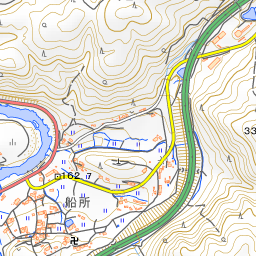
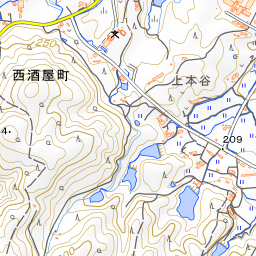
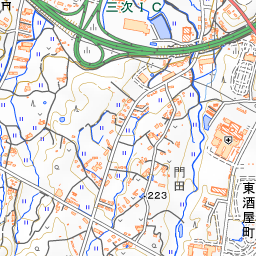


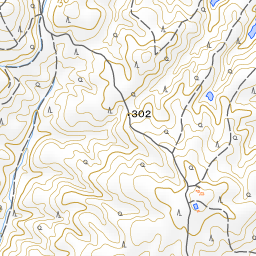
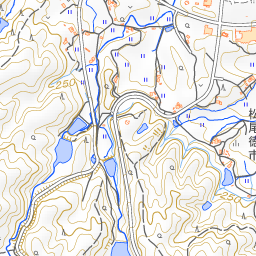


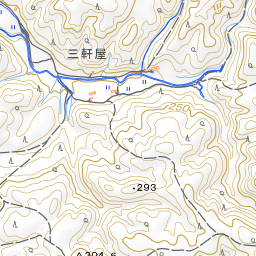
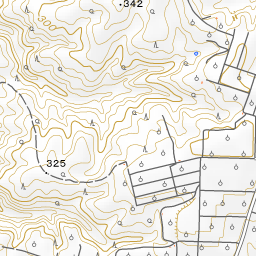
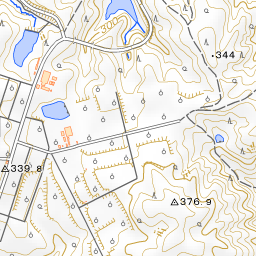
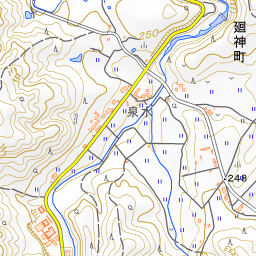
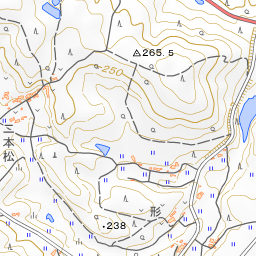
Spot location © OpenStreetMap contributors (ODbL)
Open in Google MapsGuides that include this spot (1)
Use asobot while you walk
- See where you are on the map and find spots nearby
- Listen to the guide's audio in course order, one after another (with subtitles)
- Walk to the next spot while following the map
Open on your phone
Scan to open this spot in asobot on your phone.