 ✨ AI Generated
Hoshaku-ji Temple
Japanese: 宝積寺
Oyamazaki Town, Kyoto
This information was written by AI and may contain mistakes. Please check official sources for opening hours, fees, and other details before you go.
Found a mistake? Let us know with “✏️ Something's wrong” on this spot's screen in asobot →
🎧 Audio guide(1:04)
In short
A temple of the Chisan School of Shingon Buddhism located halfway up Mt. Tennozan, affectionately known by the nickname "Takara-dera" (Treasure Temple). According to temple tradition, it is said to have been founded in 724 (Jinki 1) by Gyoki under the imperial decree of Emperor Shomu, and it is known as a temple for business prosperity, enshrining the "Uchide" and "Kozuchi" that Emperor Shomu is said to have received from a dragon deity in a dream. During the Battle of Yamazaki in 1582 (Tensho 10), Hashiba Hideyoshi established his headquarters at this temple.
- Ichiya-no-to and Shusse-seki: The Momoyama-period three-story pagoda is a national Important Cultural Property and is called "Ichiya-no-to" (One-Night Pagoda), as Hideyoshi is also said to have built it in a single night. Near the main hall stands the "Shusse-seki" (Success Stone); sitting on it is said to bring career advancement
- Statues of King Enma and Attendants: The statues of King Enma and his four attendants were all made in the Kamakura period and are national Important Cultural Properties. They are known as the oldest five-statue set
- Principal Image of Eleven-Headed Kannon and Kozuchigu: The principal image in the main hall, a standing statue of the Eleven-Headed Kannon, was made in 1233 (Tenpuku 1) and is a national Important Cultural Property. At Kozuchigu, beside the main hall on its left, Daikokuten is enshrined, bestowing blessings and fortune on worshipers with the Uchide and Kozuchi
History and Highlights
Hoshaku-ji Temple is a temple of the Chisan School of Shingon Buddhism located halfway up Mt. Tennozan, and is affectionately known by the nickname "Takara-dera" (Treasure Temple). According to temple tradition, it was founded in 724 (the first year of the Jinki era) by the priest Gyoki under the imperial decree of Emperor Shomu. It enshrines the "Uchide" and "Kozuchi" (the mallet of good fortune) that Emperor Shomu is said to have received from a dragon deity in a dream, and is known as a temple for business prosperity.
Mt. Tennozan has long been a strategic location for transportation and military affairs. In 1582 (Tensho 10) during the Battle of Yamazaki, Hashiba Hideyoshi established his headquarters at this temple, and during the Kinmon Incident in 1864 (Genji 1), the Seventeen Martyrs and others stationed their camp here. Traditions connected to Hideyoshi still remain on the temple grounds today.
Points for Viewing and Experiencing
- Ichiya-no-to and Shusse-seki: The three-story pagoda is a structure from the Momoyama period and is designated as a national Important Cultural Property. Its height to the top of the finial (sorin) is approximately 20 meters, and it is called "Ichiya-no-to" (One-Night Pagoda) based on the legend that Hideyoshi built it in a single night. Near the main hall stands the "Shusse-seki" (Success Stone), where Hideyoshi is said to have sat while contemplating unifying the country; sitting on it is said to bring career advancement. Please ask temple staff for permission before sitting on it.
- Statues of King Enma and Attendants: The statues of King Enma, who judges the deceased, along with his four attendants—Shiroku, Shimei, Gushojin, and Ankoku-doji—were all made in the Kamakura period and are designated as national Important Cultural Properties. They are known as the oldest surviving complete five-statue set. The statue of King Enma was originally at Nishi Kannon-ji Temple, and after that temple was lost due to the anti-Buddhist movement (haibutsu kishaku), it was moved to this temple through the efforts of local residents.
- Principal Image of Eleven-Headed Kannon and Kozuchigu: The principal image in the main hall, a standing statue of the Eleven-Headed Kannon, was carved in 1233 (Tenpuku 1) supported by the devotion of the people of Kyoto and Oyamazaki. Along with the Kongo Rikishi statues in the Niomon Gate, it is designated as a national Important Cultural Property. At Kozuchigu, located to the left of the main hall, Daikokuten is enshrined, bestowing blessings and fortune on worshipers with the mallet of good fortune.
Tips for Strolling
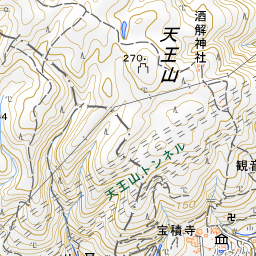
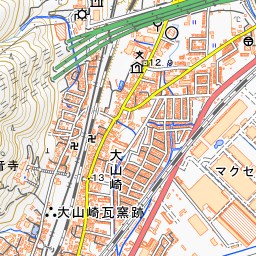
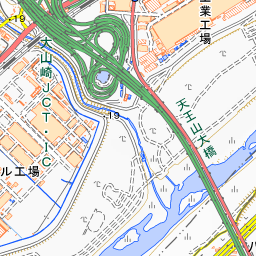
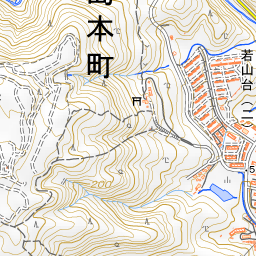
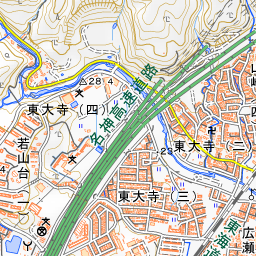
The temple is about a 15-minute walk from either Hankyu Oyamazaki Station or JR Yamazaki Station. As it is a mountain temple, reaching the grounds involves climbing a steep slope. The Asahi Group Oyamazaki Villa Museum of Art is located right nearby, and Chochikukyo is also close. From the temple, a path continues to the summit of Mt. Tennozan, where the Yamazaki Castle ruins lie, allowing visitors to extend their walk to the Graves of the Seventeen Martyrs, the Hatatatematsu Observation Deck, and Tamateyori-matsurikitaru Sakatoke-jinja Shrine. In April, the "Oni-kusube" ritual is held to ward off evil spirits, using bows made of peach wood and arrows of mugwort to drive away demons.
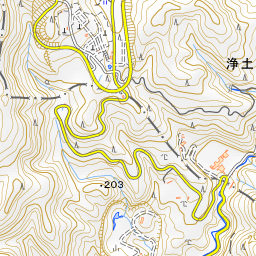
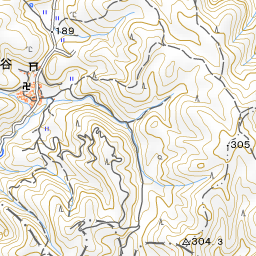
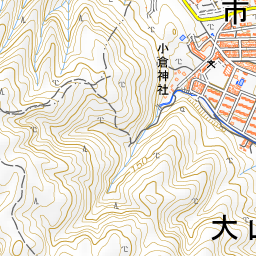
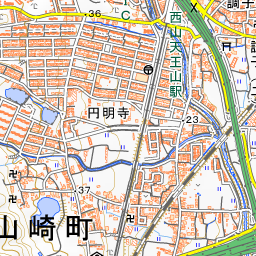
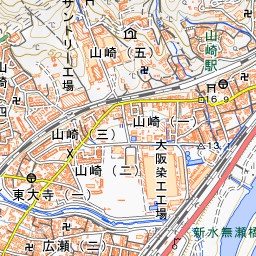
Spot location © OpenStreetMap contributors (ODbL)
Open in Google MapsGuides that include this spot (1)
Use asobot while you walk
- See where you are on the map and find spots nearby
- Listen to the guide's audio in course order, one after another (with subtitles)
- Walk to the next spot while following the map
Open on your phone
Scan to open this spot in asobot on your phone.