 ✨ AI Generated
Yasui Konpiragu Shrine
Japanese: 安井金比羅宮
Higashiyama Ward, Kyoto
This information was written by AI and may contain mistakes. Please check official sources for opening hours, fees, and other details before you go.
Found a mistake? Let us know with “✏️ Something's wrong” on this spot's screen in asobot →
🎧 Audio guide(1:03)
In short
A shrine at the foot of Higashiyama, known as a place of prayer for cutting bad ties and forming good ones. It began in the reign of Emperor Tenji, when Fujiwara no Kamatari built a hall and named it Fuji-dera Temple. In 1695, Omononushi no Kami and Minamoto no Yorimasa were enshrined along with Emperor Sutoku, and it came to be known by the name Yasui no Konpira-san.
- En-kiri En-musubi Stone: A large stone in the shape of an ema, 1.5 meters high and 3 meters wide. You write your wish on a katashiro, crawl through the hole in the stone from front to back and from back to front, and paste the katashiro onto the stone
- Kushizuka Mound and the Kushi Matsuri Festival: At the Kushi Matsuri Festival on the fourth Monday of September, worn-out combs and hairpins are memorialized, and a procession of people with hairstyles from the Kofun period to modern maiko parades around Gion
- Konpira Ema-kan Gallery: Japan's first ema gallery, opened in 1976 by remodeling an old ema hall
History and Highlights
Yasui Konpiragu Shrine is a shrine situated at the foot of the Higashiyama mountains, known as a place of prayer for severing bad ties and forming good ties. Its origins trace back to the reign of Emperor Tenji (668–671), when Fujiwara no Kamatari built a temple hall, planted purple wisteria, named it Fuji-dera Temple, and prayed for the prosperity of his clan and the longevity of his descendants.
Emperor Sutoku was particularly fond of this wisteria, and in the second year of Kyuan (1146), he repaired the hall and pagoda and had his favored concubine, Awa no Naishi, live there. After the retired emperor was defeated in the Hogen Rebellion and passed away in Sanuki, Komyo-in Kansho-ji Temple was built in the first year of Jisho (1177) by order of Cloistered Emperor Goshirakawa, which is said to be the origin of this shrine. After falling into ruin during the Onin War, Rengeko-in Temple, which had been located in Uzumasa Yasui, was moved to this site in the eighth year of Genroku (1695). As its guardian deities, along with Emperor Sutoku, Omononushi no Kami—brought from Kotohiragu Shrine in Sanuki—and Minamoto no Yorimasa were enshrined, leading it to become known by the name "Yasui no Konpira-san."
Because Emperor Sutoku renounced all desires and secluded himself in prayer at Kotohiragu Shrine in Sanuki, it has long been regarded as a prayer site for breaking off habits and attachments. It is said to sever not only ties between men and women, but all kinds of bad ties—including illness, alcohol, tobacco, and gambling—and bring about good ties. As the only "Konpira-san" in Kyoto City, it also gathers faith for maritime safety and traffic safety.
Viewing and Experience Highlights
- En-kiri En-musubi Stone: A large stone shaped like an ema (votive tablet), 1.5 meters high and 3 meters wide, through whose central fissure divine power is said to pour into the round hole. Visitors first pray at the main sanctuary, write their wish on an amulet called a katashiro that serves as a substitute, crawl through the hole of the stone from front to back to sever bad ties, crawl from back to front to tie good bonds, and finally paste the katashiro onto the stone.
- Kushizuka and the Comb Festival (Kushi Matsuri): On the north side of the grounds stands the Kushizuka (Comb Mound), erected in 1961 (Showa 36). During the Kushi Matsuri held on the fourth Monday of September, memorial services are held for worn-out combs and hairpins, and a procession featuring women styled with hairstyles ranging from the Kofun period to modern maiko parades through the Gion area.
- Konpira Ema Hall: Japan's first gallery dedicated to ema, opened in 1976 (Showa 51) by renovating an old ema hall, which preserves and exhibits ema, a form of devotional painting unique to Japan.
Walking Tips
It is about a 1-minute walk south from the "Higashiyama Yasui" city bus stop. From Keihan Gion-shijo Station, it is about a 10-minute walk. It is also good to combine your visit with Kennin-ji Temple (about 5 minutes on foot), or Yasaka-jinja Shrine and Kodai-ji Temple (about 10 minutes on foot).
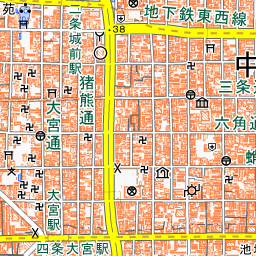

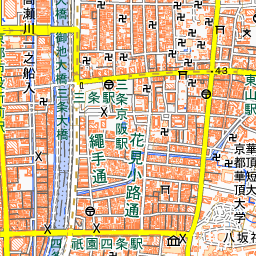


Spot location © OpenStreetMap contributors (ODbL)
Open in Google MapsGuides that include this spot (1)
Use asobot while you walk
- See where you are on the map and find spots nearby
- Listen to the guide's audio in course order, one after another (with subtitles)
- Walk to the next spot while following the map
Open on your phone
Scan to open this spot in asobot on your phone.