 ✨ AI Generated
Meiji-jingu Shrine
Japanese: 明治神宮
Shibuya City, Tokyo
This information was written by AI and may contain mistakes. Please check official sources for opening hours, fees, and other details before you go.
Found a mistake? Let us know with “✏️ Something's wrong” on this spot's screen in asobot →
🎧 Audio guide(1:02)
In short
Meiji-jingu Shrine is dedicated to Emperor Meiji and Empress Shoken, and was founded in 1920. The forest of approximately 700,000 square meters is an artificial woodland created by planting about 100,000 trees donated from across the nation. Over the course of more than 100 years, the trees have grown significantly, and today it looks just like a natural forest.
- Japan's Largest Wooden Myojin Torii Gate: Standing at the junction of the South and North Approaches, the Otorii gate is 12 meters high and 17.1 meters wide.
- Meiji Jingu Inner Garden (Gyoen): A garden arranged by Emperor Meiji for Empress Shoken, featuring the Shobuda iris garden and the Kiyomasa no Ido well.
- Sake and Wine Barrels: Komodaru (straw-wrapped sake barrels) dedicated by breweries from across Japan and wine barrels donated from wineries in Burgundy, France, can be seen here.
History and Highlights
Meiji-jingu Shrine is a Shinto shrine dedicated to Emperor Meiji and his consort, Empress Shoken. Emperor Meiji passed away in 1912, and Empress Shoken in 1914. A strong desire arose among the public to venerate their divine spirits, leading to the shrine's founding on November 1, 1920, in Yoyogi, a place deeply connected to them.
The forest of roughly 700,000 square meters is a man-made forest designed with the goal of becoming an "eternal forest." Around 100,000 trees were donated from all over Japan, and a cumulative total of 110,000 young volunteers carried out the labor of planting trees and constructing the approach paths. Forestry experts including Honda Seiroku decided to make broadleaf evergreen trees, such as chinquapin, oak, and camphor, the primary species. The prime minister at the time, Okuma Shigenobu, reportedly wished for a cedar forest like that of the Ise Jingu shrine, but the experts finally convinced him by explaining that cedars were not suitable for an urban setting.
Although many of the shrine buildings were destroyed in the air raids of April 1945, the forest served as a shelter for people. The trees, which initially numbered about 120,000 across 365 species at the time of construction, were naturally selected over time down to about 36,000 across 234 species and grew large. Having developed over more than 100 years, the forest now even appears to be a natural woodland.
Viewing and Experience Points
- Otorii Gate: Standing at the intersection of the South and North Approaches, the Otorii gate (Second Torii) is 12 meters tall, 17.1 meters wide, and weighs 13 tons, making it the largest wooden myojin-style torii gate in Japan. The original torii was damaged by lightning in 1966. The current torii was constructed from a Japanese cypress (hinoki) over 1,500 years old found on Mt. Danda in Taiwan and was completed in 1975.
- Main Shrine Buildings and the 88-Degree Angle: The shrine buildings are built in the Nagare-zukuri style. The corner turning right just before the main sanctuary (Honden) looks like a 90-degree right angle, but it is actually 88 degrees. The Japanese character for 8 (八) widens at the bottom, which is considered auspicious.
- Meiji Jingu Inner Garden (Gyoen): Located to the south of the main shrine buildings, this garden was arranged by Emperor Meiji for Empress Shoken, who was in delicate health. It features the Shobuda iris garden where roughly 1,500 irises of about 150 varieties bloom, and the Kiyomasa no Ido well, a freshwater spring handed down as having been dug by Kato Kiyomasa.
Walking Tips
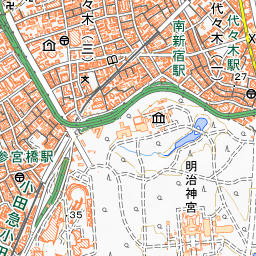
JR Harajuku Station saw an increase in passengers as the nearest station to Meiji-jingu Shrine. It takes about 10 minutes on foot from each entrance to the main sanctuary. The gravel approach is said to be a path where, stepping on the pure pebbles, one gradually purifies the body and calms the mind. Within the precincts, visitors can see the straw-wrapped sake barrels (komodaru) dedicated annually by breweries across the country, as well as wine barrels sent in 2006 from wineries in the Burgundy region of France. Yoyogi Park is located about 560 meters to the southwest.
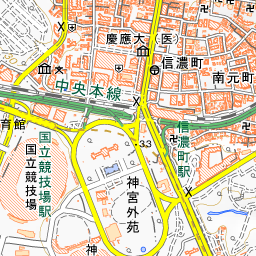
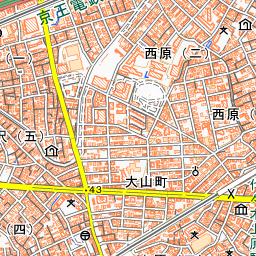
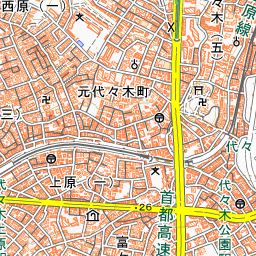
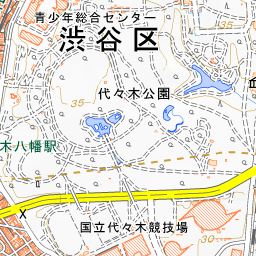
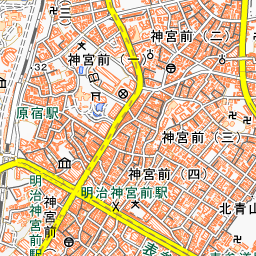
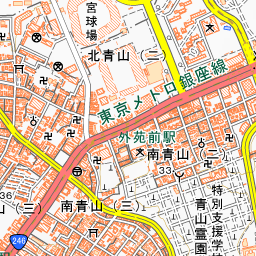
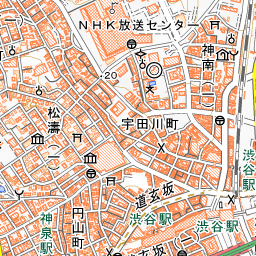
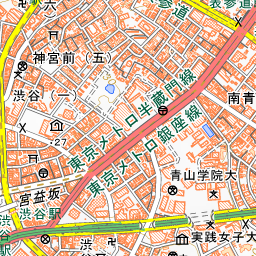
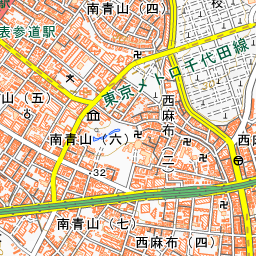
Spot location © OpenStreetMap contributors (ODbL)
Open in Google MapsGuides that include this spot (1)
Use asobot while you walk
- See where you are on the map and find spots nearby
- Listen to the guide's audio in course order, one after another (with subtitles)
- Walk to the next spot while following the map
Open on your phone
Scan to open this spot in asobot on your phone.