 ✨ AI Generated
Akishino-dera Temple
Japanese: 秋篠寺
Nara City, Nara
This information was written by AI and may contain mistakes. Please check official sources for opening hours, fees, and other details before you go.
Found a mistake? Let us know with “✏️ Something's wrong” on this spot's screen in asobot →
🎧 Audio guide(1:05)
In short
Akishino-dera Temple is said to have been founded around 780, at the end of the Nara period, at the imperial request of Emperor Konin. The temple's name derives from the fact that it was built in the village of Akishino, located on the northwestern outskirts of Heijo-kyo. It is known for its Main Hall, designated a National Treasure, and the statue of Gigeiten standing within the hall.
- National Treasure Main Hall: A Buddhist hall believed to date from the early Kamakura period, built on the site of the original lecture hall, featuring a gently sloping roof that preserves traditions from the Nara period.
- Standing Statue of Gigeiten: An Important Cultural Property standing at the far left of the Main Hall, worshipped by artists and performers as the guardian deity of various arts and crafts.
- Moss-covered Front Garden: Entering through the East Gate, visitors pass through a front garden covered in moss on their way to the Main Hall.
History and Highlights
Akishino-dera Temple is an independent temple that does not belong to any specific sect. It was initially of the Hosso Sect, later became Shingon Sect, and in early modern times became a temple of the Jodo-shu Seizan-ha.
It is said to have been founded around 780, near the end of the Nara period, at the imperial request of Emperor Konin, with the high priest Zenju as the founding abbot. Zenju was a high-ranking monk of Kofuku-ji Temple and was called "Zenju of Akishino-dera Temple." The temple's name comes from its construction in the village of Akishino on the northwestern edge of Heijo-kyo.
Most of the temple compound was burned down in the conflicts of the late Heian period. The present Main Hall stands on the site of the former lecture hall. Although the exact year of its construction is not known, it is thought to be from the early Kamakura period. It was designated a National Treasure in 1953.
Twenty-five Buddhist statues are enshrined inside the Main Hall. The most renowned among them is Gigeiten, who has been revered by many artists and performers as the guardian deity of various arts and crafts.
On the temple grounds is a sacred well called Kozuikaku. This well is associated with an ancient story in which the monk Jogyo, who had traveled to Tang China, had a vision of Daigensui Myo'o. It is said that the perfumed water used in the Daigen-no-ho ritual was drawn from this well and carried to To-ji Temple.
Viewing and Experience Points
- National Treasure Main Hall: A Buddhist hall measuring five bays wide and four bays deep, with a hipped roof (yosemune-zukuri) and traditional tiled roofing (hongawarabuki). The roof has a gentle slope, and the interior has an earthen floor throughout. While preserving traditions from the Nara period, the building exhibits Kamakura-period architectural details and is considered one of the representative Buddhist halls of this era.
- Standing Statue of Gigeiten: An Important Cultural Property standing at the far left of the Main Hall, its supple stance is praised as the "Muse of the Orient." It is a work spanning both the Nara and Kamakura periods, consisting of a dry-lacquer (kanshitsu-zukuri) head supplemented in the Kamakura period with a painted wooden torso. Other statues, such as the standing statue of Taishakuten (an Important Cultural Property), are also arranged within the Main Hall.
- Daigensui Myo'o: The Daigen-do hall, located to the west of the Main Hall, houses a statue of Daigensui Myo'o designated an Important Cultural Property. As a hidden Buddha (hibutsu), it is open for viewing only on June 6 every year.
Tips for Exploring
Enter through the East Gate and pass through the moss-carpeted front garden as you head toward the Main Hall. Before entering the hall, it is recommended to view it from the outside to appreciate its wide, gently extending roof. Inside the hall, stand in front of Gigeiten on the far left to take your time admiring the statue. In the garden beside the Main Hall, there is a large magnolia tree that blooms with branches full of white flowers.
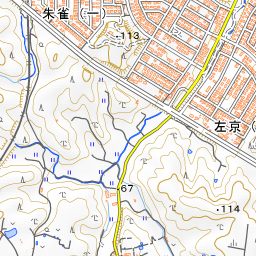
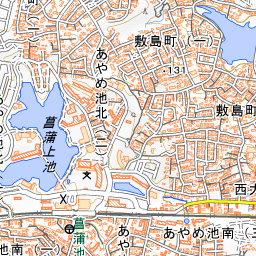
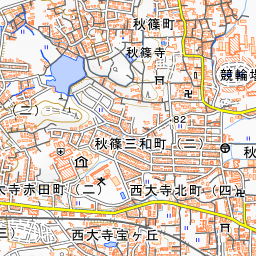
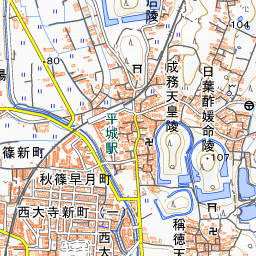
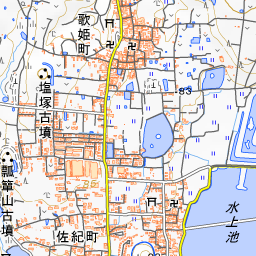
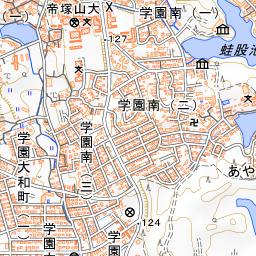
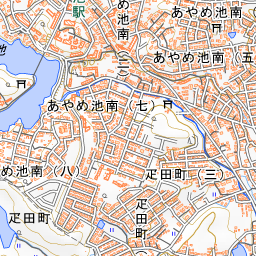
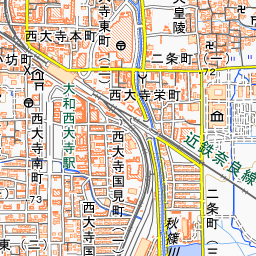
From the north exit of Yamato-Saidaiji Station on the Kintetsu Line, take a bus bound for Oshikuma for 6 minutes, get off at "Akishino-dera," and the temple is right there. It is located about 1.2 kilometers northwest of the station and can also be reached on foot. It can be visited together with Saidai-ji Temple, which is about 1.2 kilometers to the south.
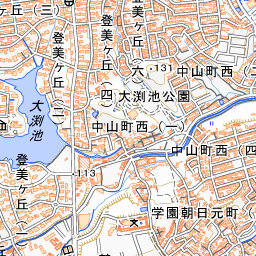
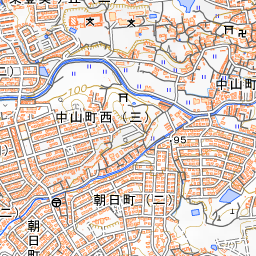
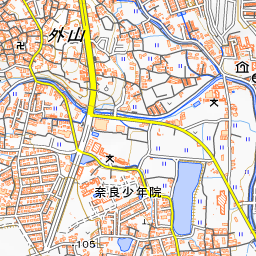
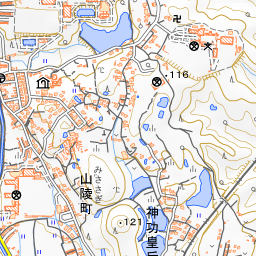


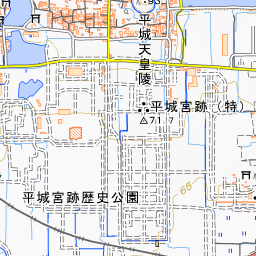
Spot location © OpenStreetMap contributors (ODbL)
Open in Google MapsGuides that include this spot (1)
Use asobot while you walk
- See where you are on the map and find spots nearby
- Listen to the guide's audio in course order, one after another (with subtitles)
- Walk to the next spot while following the map
Open on your phone
Scan to open this spot in asobot on your phone.