
Katsuragi City Sumo Museum
Japanese: 葛城市相撲館
Katsuragi, Nara
This information was written by AI and may contain mistakes. Please check official sources for opening hours, fees, and other details before you go.
Found a mistake? Let us know with “✏️ Something's wrong” on this spot's screen in asobot →
🎧 Audio guide(1:01)
In short
Katsuragi City Sumo Museum was opened in May 1990 to honor Taima no Kehaya, who is regarded as the founder of sumo, and is also known as "Kehayaza." Based on an account in the Nihon Shoki, Katsuragi City is considered the birthplace of sumo. Inside the museum is a dohyo (sumo ring) of the same size as those used in grand sumo tournaments, and anyone is welcome to step onto it.
- Exhibition Dohyo: Open to people of all ages and genders to step up with their shoes on.
- Sumo Materials: Housing approximately 12,000 items, including extensive collections of banzuke (ranking sheets) and hoshitorihyo (win-loss records). Exhibited items include nishiki-e (woodblock prints) and kesho-mawashi (ceremonial aprons).
- Taima no Kehaya's Tomb: Beside the museum stands a gorinto (five-tiered stupa) said to be the tomb of Kehaya.
History and Highlights
Katsuragi City Sumo Museum is a sumo-related facility located in Taima, Katsuragi City, and is also known by the name "Kehayaza." It opened in May 1990 to honor Taima no Kehaya, who is considered the founder of sumo.
Katsuragi City is regarded as the birthplace of sumo based on a tale in the Nihon Shoki. Long ago, in Taima, there was a man of extraordinary strength named Kehaya. He was also skilled at kicking opponents down and claimed that no one could defeat him in a trial of strength. Hearing this, the Emperor summoned Nomi no Sukune from the land of Izumo. On the seventh day of the seventh month, the two wrestled and kicked each other; Kehaya had his ribs broken by a kick and lost his life. This contest of strength during the reign of Emperor Suinin is handed down as Japan's first sumo match watched by the Emperor (tenran sumo).
In the story shared by Katsuragi City, the battle lasted for seven days. It is said that a young child ran onto the ring, and in the momentary distraction, Kehaya met his defeat. Even after the loss, the local villagers continued to honor Kehaya as the pride of their community.
The museum houses around 12,000 items, featuring an extensive collection of books, banzuke (ranking sheets), and hoshitorihyo (win-loss records). Exhibited items include nishiki-e woodblock prints, kesho-mawashi ceremonial aprons, akeni (traditional luggage chests), itabanzuke (wooden ranking boards), and sumo-themed toys.
Viewing and Experience Highlights
- Stepping onto the Dohyo: In Grand Sumo, only a select group of authorized individuals, such as wrestlers and referees, are permitted to step onto the dohyo. Because the dohyo here is for exhibition, anyone—regardless of age or gender—can step onto it with their shoes on. There are also experiences where visitors can throw salt, wear sumo suits, or put on a mawashi (sumo belt).
- Immersing in the World of Sumo from Box Seats: Surrounding the dohyo are masu-seki (box seats) like those found in grand sumo venues. Visitors can sit in the seats listening to sumo jinku (traditional sumo songs) while watching footage on a large screen.
- Taima no Kehaya's Tomb: Standing next to the museum is a gorinto (five-tiered stupa) handed down as Kehaya's tomb. Believed to have been crafted in the Kamakura period, it is also said to be the grave of Taima Kunimi. It remains an object of reverence for people involved in sumo wrestling today.
Tips for Exploring
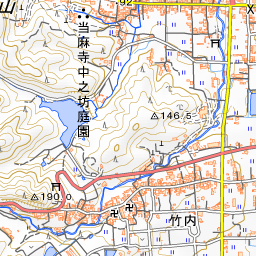
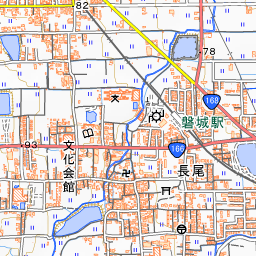
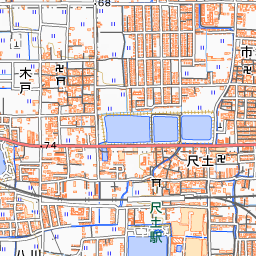
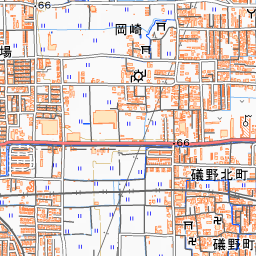
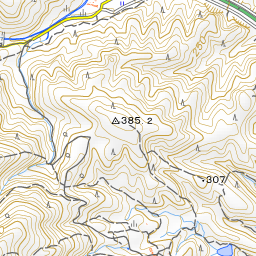
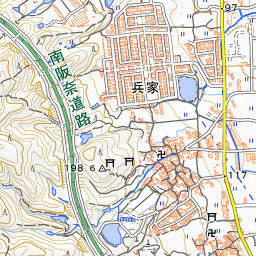
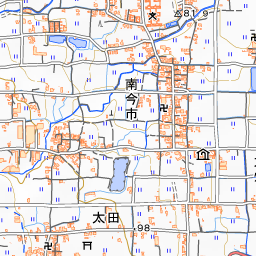
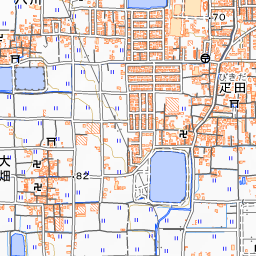
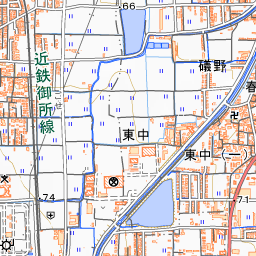
The museum is a 5-minute walk from Taimadera Station on the Kintetsu Minami-Osaka Line. The area from the first-floor entrance hall to the reception serves as a rest area stocked with sightseeing pamphlets for Katsuragi City, also functioning as a tourist information spot. Taima no Kehaya's tomb is right next to the museum. Taima-dera Temple is located approximately 780 meters to the west, and you can also walk down from Mt. Nijo via Taima-dera Temple to this museum.


Guides that include this spot (1)
Use asobot while you walk
- See where you are on the map and find spots nearby
- Listen to the guide's audio in course order, one after another (with subtitles)
- Walk to the next spot while following the map
Open on your phone
Scan to open this spot in asobot on your phone.