 ✨ AI Generated
Yagyu-no-Sato
Japanese: 柳生の里
Nara City, Nara
This information was written by AI and may contain mistakes. Please check official sources for opening hours, fees, and other details before you go.
Found a mistake? Let us know with “✏️ Something's wrong” on this spot's screen in asobot →
🎧 Audio guide(1:05)
In short
Yagyu-no-Sato is located in the mountainous area of eastern Nara City and is the homeland of master swordsmen of the Yagyu Shinkage-ryu school. During the Edo period, the Yagyu family, who served as military arts instructors to the shogun's family, ruled the 10,000-koku Yagyu Domain. Historic sites associated with the Yagyu family are scattered throughout and around the village, where rice paddies, traditional houses, and surrounding mountain forests spread out.
- Hotoku-ji Temple: The family temple of successive generations of the Yagyu family, with the Yagyu clan cemetery located behind the temple.
- Ittoseki: A huge boulder about 7 meters square split clean in two, around which legend says Yagyu Sekishusai slashed a tengu (mountain goblin).
- Former Chief Retainer's Residence of the Yagyu Domain: The former residence of the chief retainer who restored the domain's finances, featuring an impressive, magnificent stone wall.
History and Highlights
Yagyu-no-Sato lies in the mountains of eastern Nara City. It is the homeland of the master swordsmen of Yagyu Shinkage-ryu, who served as swordsmanship instructors to the Tokugawa shogunal family during the Edo period.
Yagyu Sekishusai is considered the founder of Yagyu Shinkage-ryu. His son, Yagyu Munenori, served Tokugawa Ieyasu and was military arts instructor to Hidetada and Iemitsu. When Munenori established the Yagyu Domain as a 10,000-koku feudal lord during the Kanei era, the Yagyu area was developed as the center of domain administration, and samurai residence districts centered around the jinya (administrative headquarters) and chief retainer residences were formed.
Entering the Meiji period, the Yagyu Domain was abolished with the abolition of the han system. Due partly to its mountainous location, it escaped rapid urbanization and large-scale development. The orderly pattern of land use, with rice paddies, houses, and mountain forests, remains to this day.
In 1971 (Showa 46), the NHK Taiga drama "Haru no Sakamichi," based on a novel by Yamaoka Sohachi, was broadcast, making the settlement of Yagyu widely known. Numerous tales and legends of this village of master swordsmen continue to be passed down.
Key Viewing and Experience Points
- Hotoku-ji Temple: Founded in 1638 by Yagyu Munenori to hold memorial services for his father, Sekishusai, it subsequently became the family temple of the Yagyu clan for generations. The main hall enshrines a seated statue of Shakyamuni Buddha, as well as statues of Munenori and the monk Takuan. The clan cemetery behind the temple is a well-known spot for autumn foliage, and the temple grounds offer an expansive view overlooking Yagyu-no-Sato.
- Ittoseki: A massive boulder about 7 meters square located in the inner area of Amano-Iwatate-jinja Shrine, split vertically clean in two. A legend remains that when Sekishusai fought a tengu and thought he had struck it down with a single stroke of his sword, the blade had actually split the huge boulder on the spot in two.
- Former Chief Retainer's Residence of the Yagyu Domain and Former Jinya Site: The chief retainer's residence was the former home of Oyamada Shurei, a chief retainer who restored the domain's finances. The magnificent stone wall is inscribed with the fact that it was built in 1841 by stonemasons from Owari. The residence later came into the possession of Yamaoka Sohachi, drawing attention as the residence where he developed the concept for "Haru no Sakamichi." The former Yagyu Domain Jinya site is where the feudal lord's residence once stood, and it is now maintained as a historic park.
Tips for Exploring
It takes about 50 minutes by bus toward Yagyu from JR or Kintetsu Nara Station. Buses are infrequent and the last bus leaves early, so be sure to check the return schedule beforehand.
From the bus stop, it is about a 15-minute walk to Hotoku-ji Temple, and from there about 20 minutes to Ittoseki. Continuing on, it takes about 20 minutes to reach the Jinya ruins, about 10 minutes to the chief retainer's residence, and about 5 minutes back to the bus stop. Walking alone takes approximately 1 hour and 10 minutes.
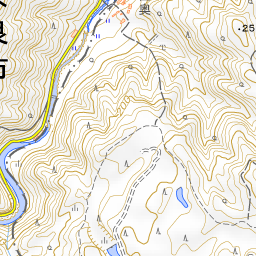
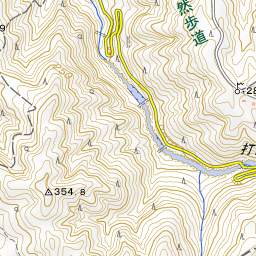
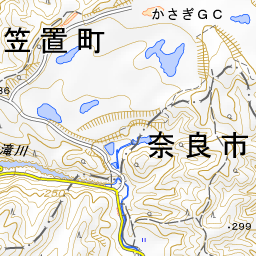
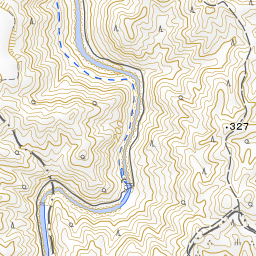
From Nara Park, a hiking trail known as the Yagyu Kaido is established. Enjo-ji Temple, located roughly halfway along the route, is about 5.4 kilometers southwest of Yagyu-no-Sato.


Guides that include this spot (1)
Use asobot while you walk
- See where you are on the map and find spots nearby
- Listen to the guide's audio in course order, one after another (with subtitles)
- Walk to the next spot while following the map
Open on your phone
Scan to open this spot in asobot on your phone.