 ✨ AI Generated
Chikurin-in Temple
Japanese: 竹林院
Yoshino Town, Nara
This information was written by AI and may contain mistakes. Please check official sources for opening hours, fees, and other details before you go.
Found a mistake? Let us know with “✏️ Something's wrong” on this spot's screen in asobot →
🎧 Audio guide(1:04)
In short
Chikurin-in Temple is a temple located on Mt. Yoshino, said to have been founded by Prince Shotoku. In ancient times, it welcomed people as a shukubo (temple lodging) for yamabushi (mountain ascetics), and it is still known today as an elegant and prestigious shukubo. Although it was temporarily abandoned following the Meiji era's decree separating Shinto and Buddhism, it was later restored. Its garden, Gunpo-en Garden, is one of the "Three Great Gardens of Yamato," along with Taima-dera Nakanobo and Jiko-in Temple.
- Gunpo-en Garden: A borrowed-scenery garden that incorporates the natural landscape of Mt. Yoshino. The names of Sen no Rikyu and Hosokawa Yusai are associated with it.
- Seasonal Plants and Trees: More than fifty varieties of plants and trees, including camellias, are planted in the garden, adorned with cherry blossoms in spring and autumn leaves in fall.
- Seated Statue of Prince Shotoku: A seated statue of Prince Shotoku crafted during the Nanboku-cho period is enshrined in the Goma-do hall.
History and Highlights
Chikurin-in Temple is located on Mt. Yoshino. It traces its origins back to an ancient temple called Chinzan-ji, said to have been founded by Prince Shotoku, and tradition holds that Kukai also entered the mountain and named it Josen-ji Temple.
The principal images are Fudo Myo-o, Zao Gongen, En no Gyoja, and Kobo Daishi. It is one of the goji-in (guardian temples) of Ominesan-ji Temple, which stands at the summit of Mt. Sanjogatake on Mt. Omine. Historically, as a lodging for yamabushi dedicating themselves to Shugendo, it watched over their prayers and ascetic training.
Following the decree separating Shinto and Buddhism in the early Meiji era, the temple was temporarily closed. Later, it was revived as a temple of the Tendai sect, and after World War II, it became an independent temple that continues to this day.
Over the eras, it was loved by figures such as Toyotomi Hideyoshi as well as numerous literary figures and artists, building up its history as a lodging. In 1981, Emperor Showa and the Empress stayed here. Even today, it is renowned as a prestigious temple lodging.
The garden, Gunpo-en Garden, is celebrated as one of the "Three Great Gardens of Yamato" alongside Taima-dera Nakanobo and Jiko-in Temple. It is a borrowed-scenery garden that directly incorporates the natural landscape of Mt. Yoshino.
Highlights for Viewing and Experiencing
- Origins of Gunpo-en Garden: Gunpo-en Garden is said to have been constructed at the end of the Muromachi period by the 21st head priest of Chikurin-in Temple, modeling it after the scenery atop Mt. Omine. Later, Sen no Rikyu is said to have modified it. It is also said to have been designed by Hosokawa Yusai, or designed by Sen no Rikyu and subsequently renovated by Hosokawa Yusai.
- A Borrowed-Scenery Stroll Garden Around a Pond: Gunpo-en Garden is a garden where visitors walk around a pond, using the grand mountain ranges of Yoshino as borrowed scenery. It is known for the beauty of its fresh green foliage and snowy landscapes. More than fifty kinds of plants and trees, beginning with camellias, are planted here, including flourishing To-tsubaki (Camellia reticulata) that produce large flowers.
- Seated Statue of Prince Shotoku in the Goma-do Hall: Inside the Goma-do hall, a seated statue of Prince Shotoku from the Nanboku-cho period is enshrined.
Tips for Exploring
When entering the garden, please speak to the front desk of the inn. By bus, get off at the "Chikurin-in-mae" bus stop. Yoshimizu-jinja Shrine is located about 760 meters to the north, and Nyoirin-ji Temple is about 620 meters to the northeast. About 1.2 kilometers to the southeast lies Yoshino Mikumari-jinja Shrine.


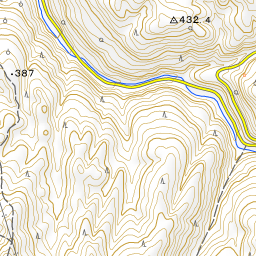


Spot location © OpenStreetMap contributors (ODbL)
Open in Google MapsGuides that include this spot (1)
Use asobot while you walk
- See where you are on the map and find spots nearby
- Listen to the guide's audio in course order, one after another (with subtitles)
- Walk to the next spot while following the map
Open on your phone
Scan to open this spot in asobot on your phone.