 ✨ AI Generated
Yoshida-Koriyama Castle
Japanese: 吉田郡山城
Akitakata, Hiroshima
This information was written by AI and may contain mistakes. Please check official sources for opening hours, fees, and other details before you go.
Found a mistake? Let us know with “✏️ Something's wrong” on this spot's screen in asobot →
🎧 Audio guide(1:05)
In short
Yoshida-Koriyama Castle is a mountain castle representative of the Sengoku period and was the main base of the Mori clan. During the Battle of Koriyama in 1540, Mori Motonari held out in this castle against the massive army of the Amago clan, and it remained the center of the Mori clan until Mori Terumoto built a new castle in Hiroshima and relocated there in 1591. The castle ruins are a National Historic Site and are counted among Japan's Top 100 Castles.
- The Mountaintop Honmaru and Remains of Baileys: Centering on the honmaru (main bailey) at the summit, the remains of baileys such as the ni-no-maru (second bailey) and san-no-maru (third bailey) spread out. It became an advanced structure for a medieval mountain castle, featuring stone walls
- Motonari's Grave and the Hyakuman Isshin Monument: Motonari's grave was built on the grounds of Toshun-ji Temple, his family temple, where the Hyakuman Isshin monument also stands, related to the legend that a stone inscribed with "Hyakuman Isshin" was buried
- The Lesson of the Three Arrows Monument: A monument to the "Lesson of the Three Arrows," which teaches that nothing is more important than three brothers joining forces, stands at the traditional site of Osato Yashiki
History and Highlights
Yoshida-Koriyama Castle is a mountain castle representative of the Sengoku period and was the main base of the Mori clan. The castle already existed by the mid-15th century, initially located on the southeastern ridge of Mount Koriyama. However, after Mori Motonari handed over the headship of the family to his eldest son Takamoto, the castle was expanded across the entire mountain of Koriyama in the mid-16th century.
When Motonari was four years old, he left the castle following the retirement of his father Hiromoto and spent his youth at nearby Tajihi-Sarukake Castle. At age 27, he succeeded to the main family and returned to this castle. During the Battle of Koriyama in 1540, Motonari holed up in this castle to fight against the massive army of the Amago clan that had invaded Aki. It remained the center of the Mori clan until Mori Terumoto built a new castle in Hiroshima and relocated there in 1591.
The castle grounds extended approximately 1.1 kilometers east to west and about 0.9 kilometers north to south. Centering on the mountaintop, where dismantled stone walls remain, there were over 300 baileys (kuruwa) as well as temples such as Mangan-ji Temple. An inner moat ran around the southern foot of the mountain, where a castle town was also developed. The summit has an elevation of 390 meters, with a height of 190 meters from the base. The site is designated as a national historic site under the name "Koriyama Castle Ruins" and is counted as one of Japan's Top 100 Castles.
Sights and Experiences
- The Mountaintop Honmaru and Remains of Baileys: Centering on the honmaru (main bailey) at the summit, the remains of baileys such as the ni-no-maru (second bailey) and san-no-maru (third bailey) spread out. Modifications were made as the Mori clan grew in power, creating an advanced structure for a medieval mountain castle that featured stone walls.
- Motonari's Grave and the Hyakuman Isshin Monument: Motonari died in 1571 at the age of 75, and his grave was built on the grounds of Toshun-ji Temple, his family temple founded the following year. Below it lie the graves of the Mori clan. Within the temple grounds stands the Hyakuman Isshin monument, related to the legend that a stone inscribed with "Hyakuman Isshin" was buried.
- The Lesson of the Three Arrows Monument and Takamoto's Grave: A monument to the "Lesson of the Three Arrows," which teaches that nothing is more important than three brothers joining forces, stands at the traditional site of Osato Yashiki. The grave of Takamoto, who died suddenly at the age of 41 on his way to Izumo, is also located at the foot of the mountain.
Travel Tips
Before touring the castle ruins, it is recommended to stop by the Akitakata City History and Folklore Museum at the foot of the mountain, which focuses on the Mori clan and the Koriyama Castle Ruins. It takes about 90 minutes from Hiroshima Bus Center on a Hiroden bus bound for Yoshida; get off at "Akitakata City Hall" (Akitakata-shiyakusho-mae) and walk for about 5 minutes. Approximately 9 kilometers to the northwest is Kagura Monzen Tojimura, where visitors can enjoy kagura performances and hot springs.
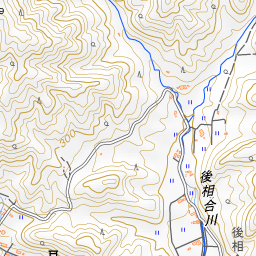
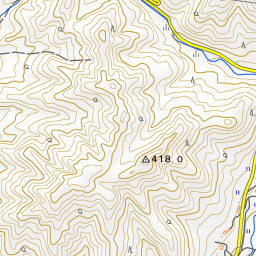
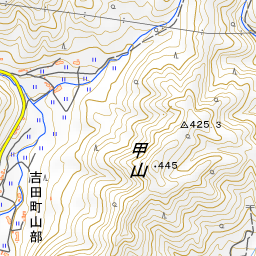
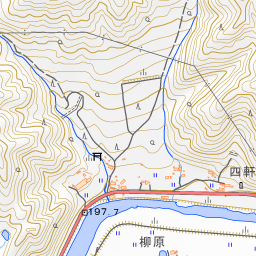
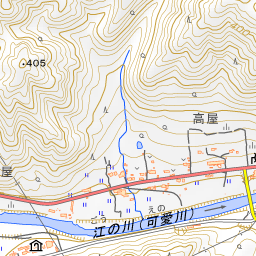


Spot location © OpenStreetMap contributors (ODbL)
Open in Google MapsGuides that include this spot (1)
Use asobot while you walk
- See where you are on the map and find spots nearby
- Listen to the guide's audio in course order, one after another (with subtitles)
- Walk to the next spot while following the map
Open on your phone
Scan to open this spot in asobot on your phone.