 ✨ AI Generated
Nara Hotel
Japanese: 奈良ホテル
Nara City, Nara
This information was written by AI and may contain mistakes. Please check official sources for opening hours, fees, and other details before you go.
Found a mistake? Let us know with “✏️ Something's wrong” on this spot's screen in asobot →
🎧 Audio guide(1:03)
In short
Opened in 1909 (Meiji 42), the Nara Hotel is known as the "State Guest House of Kansai." Standing on a low hill adjacent to Nara Park, its Main Building was designed by Tatsuno Kingo, who also designed Tokyo Station and the Bank of Japan Head Office. It has long been treated as a facility comparable to a state guest house, hosting state guests and members of the imperial family.
- A Main Building Resembling a Temple or Shrine: A two-story wooden structure featuring a tiled hip-and-gable roof (irimoya-zukuri), topped with shibi roof ridge ornaments at both ends.
- A Lobby Blending Japanese and Western Styles: An open atrium approximately 9 meters high, featuring chandeliers modeled after the hanging lanterns of Kasuga-taisha Shrine.
- Notable Guests: In 1922, Edward, Prince of Wales, and Albert Einstein visited, followed by Helen Keller in 1937.
History and Highlights
The impetus for the creation of the Nara Hotel was the sudden influx of foreign visitors to Japan following the Russo-Japanese War. In 1906 (Meiji 39), Nishimura Jinbei, founder of the Miyako Hotel, purchased Mt. Asuka in Takabatake-cho for its fine views. The building was constructed by the Imperial Government Railways at a cost of 350,000 yen—roughly double the construction cost of the Rokumeikan. On October 17, 1909, the Nara Hotel opened for business.
Around this time, the brick, Western-style Imperial Nara Museum was criticized for not harmonizing with Nara's traditional scenery. Consequently, the prefectural assembly passed a resolution that new structures must harmonize with traditional architecture. Following this, Tatsuno Kingo designed a modern Japanese-style building combining Western and Japanese elements, incorporating traditional Japanese designs into a Western-style hotel.
From 1913 (Taisho 2), the Imperial Government Railways took over management. This period could be described as its state-guest-house era, undergoing repeated renovations whenever distinguished guests arrived. There was also a period when it was requisitioned by the U.S. military. In 1983, Audrey Hepburn also visited.
Appreciation and Experience Highlights
- Main Building Exterior: White plaster walls topped with a tiled roof, finished with shibi ridge-end tiles at both ends. Despite being a hotel, its appearance evokes the architecture of temples and shrines. A carriage porch (kurumayose) sits near the center, and the guest room wings extend eastward in a staggered, flying-geese pattern (ganko).
- Lobby and Fireplace: The lobby features an open atrium approximately 9 meters high, with a coffered ceiling (go-tenjo) visible above the gallery. The chandeliers are modeled after the hanging lanterns of Kasuga-taisha Shrine. The mantelpiece, adorned with torii gate-shaped motifs, was used with coal fires until the early Taisho period. A Steinway piano made in 1922 (Taisho 11) is also preserved as part of the hotel's furnishings.
- Main Dining Room "Mikasa": This Western-style space incorporates elements of traditional shoin-zukuri architecture, such as double nageshi horizontal beams and a coved coffered ceiling (oriage-go-tenjo). The chandeliers were replaced with new ones to coincide with the 1922 visit of Edward, Prince of Wales.
Strolling Tips
If visiting for an overnight stay or dining, first look up at the Main Building from in front of the carriage porch to observe the tile roof with its shibi ridge ornaments. Upon entering the lobby, compare the ceiling of the open atrium with the chandeliers.
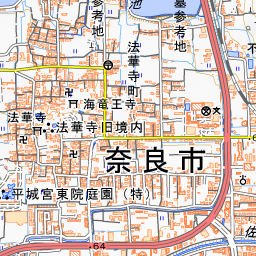
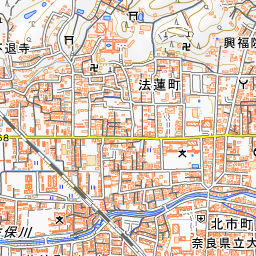
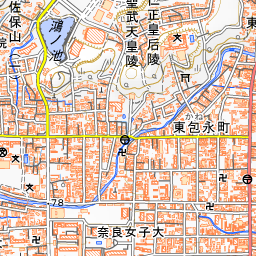
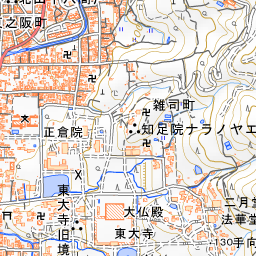
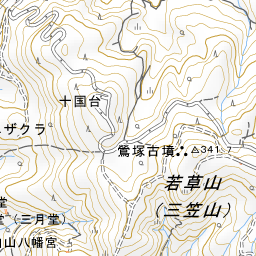
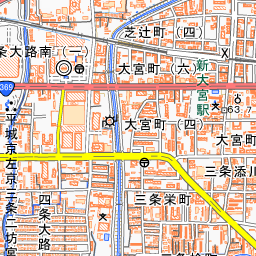
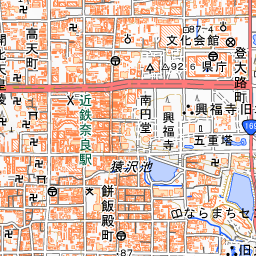
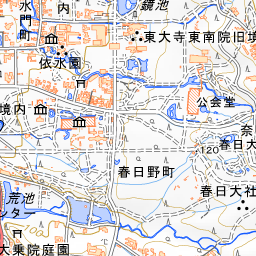
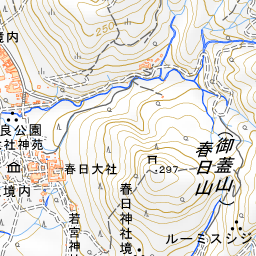
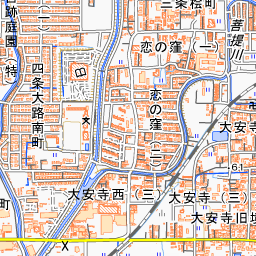
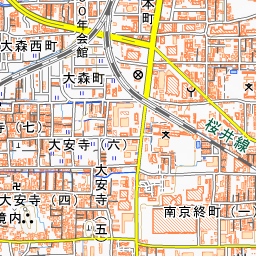
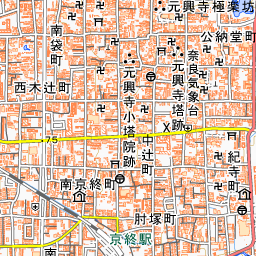
About 130 meters to the south lies Kyu-Daijo-in Garden, and about 360 meters to the northwest is Sarusawa Pond. Heading north-northwest for about 480 meters brings you to Kofuku-ji Temple. About 510 meters to the east-southeast is the Zuto Pagoda.

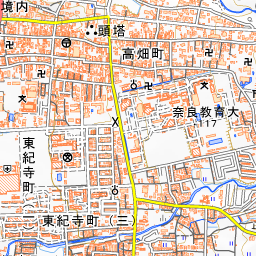
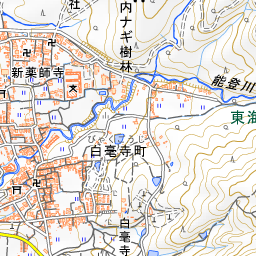
Spot location © OpenStreetMap contributors (ODbL)
Open in Google MapsUse asobot while you walk
- See where you are on the map and find spots nearby
- Listen to the guide's audio in course order, one after another (with subtitles)
- Walk to the next spot while following the map
Open on your phone
Scan to open this spot in asobot on your phone.