 ✨ AI Generated
Yasui-jinja Shrine
Japanese: 安居神社
Tennoji Ward, Osaka
This information was written by AI and may contain mistakes. Please check official sources for opening hours, fees, and other details before you go.
Found a mistake? Let us know with “✏️ Something's wrong” on this spot's screen in asobot →
🎧 Audio guide(1:10)
In short
An ancient shrine that enshrines Sukunahikona no Kami and Sugawara no Michizane. Michizane, demoted to Dazaifu, is said to have stopped here to rest, and the shrine was built by villagers in 942 (Tengyo 5) following Michizane's death to enshrine his spirit. During the Siege of Osaka (Summer Campaign) in 1615 (Keicho 20), Sanada Yukimura (Nobushige) is said to have fallen in battle on these shrine grounds. While historical records leave the place of his final moments uncertain, many people visit it as a site associated with Yukimura.
- Statue of Lord Sanada Yukimura and Monument of the Site of His Death in Battle: A place to remember Yukimura, who was struck down by the Tokugawa forces during the Summer Campaign of the Siege of Osaka. Next to the monument is the "Sanada Pine," where Yukimura is said to have met his end, and the current pine is the second generation
- The Umebachi of Awa-okoshi: The Sugawara family crest, the "plum blossom crest (umebachi)," which Michizane gave to the villagers in gratitude, is said to have become the plum blossom trademark of the famous Osaka specialty "awa-okoshi"
- Kanshizume Well: A well from which Michizane is also said to have drunk, counted as one of the Seven Famous Waters of Tennoji
History and Highlights
Yasui-jinja Shrine is an ancient shrine that enshrines Sukunahikona no Kami and Sugawara no Michizane. In 901 (Shotai 4), when Michizane was demoted to Dazaifu, he is said to have stopped here to rest on his way to visit his aunt Kakujuni at Domyo-ji Temple in Kawachi. According to legend, when villagers felt sympathy for Michizane and offered him okoshi (crispy rice confection), Michizane gave them the Sugawara family crest, the "plum blossom crest (umebachi)," in gratitude, which is said to have become the plum blossom trademark for the famous Osaka specialty "awa-okoshi." The shrine was built by villagers in 942 (Tengyo 5) following Michizane's death to enshrine his spirit. It is also said that monks from Shitenno-ji Temple practiced summer retreats called geango here, which led to the name changing from "Yasui (安井)" to "Yasui (安居)."
In 1726 (Kyoho 11), Shimomura Hikoemon, the founder of the Daimaru department store, lamented the dilapidated shrine buildings and repaired them. Successive owners of Daimaru held deep devotion to the shrine, and it was also called "Daimaru Tenjin." During the Edo period, it was known as a famous cherry blossom spot, and was depicted in Utagawa Hiroshige's Naniwa Meisho Zue: Flower Viewing at Yasui Tenjin-yama.
Furthermore, during the Siege of Osaka (Summer Campaign) in 1615 (Keicho 20), Sanada Yukimura (Nobushige) is said to have fallen in battle on these shrine grounds. While historical records leave the exact location of his final moments uncertain, popular belief holds that it was Yasui-jinja Shrine, and many people visit it as a site associated with Yukimura.
Viewing and Experience Points
- Statue of Lord Sanada Yukimura and Monument of the Site of His Death in Battle: The "Statue of Lord Sanada Yukimura" and the "Monument of the Site of Sanada Yukimura's Death in Battle" stand on the shrine grounds. This is a place to remember Yukimura, who was struck down by the Tokugawa forces during the Summer Campaign of the Siege of Osaka.
- Sanada Pine: Next to the monument is the "Sanada Pine," where Yukimura is said to have met his end. The first-generation tree withered, and the current pine is the second generation planted afterward.
- Kanshizume Well: A well from which Michizane is also said to have drunk, counted as one of the Seven Famous Waters of Tennoji. Famous waters welled up throughout the Tennoji area, and they were referred to as the Seven Famous Waters.
Walking Tips
It is about a 6-minute walk from Shitennoji-mae Yuhigaoka Station on the Osaka Metro Tanimachi Line. Tenjinzaka Slope, one of the Tennoji Nanasaka Slopes, leads to the shrine. About 190 meters to the south is Isshin-ji Temple, where Tokugawa Ieyasu's main camp was reportedly placed during the Winter Campaign of the Siege of Osaka, and about 120 meters to the northeast is Kiyomizu-dera Temple. Chausuyama, located at the northern edge of Tennoji Park, was where Yukimura set up his main camp during the Summer Campaign, and touring these together allows you to trace the flow of the Siege of Osaka.
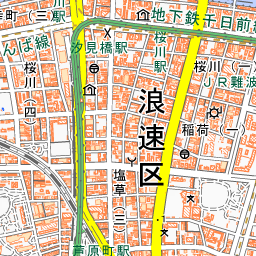
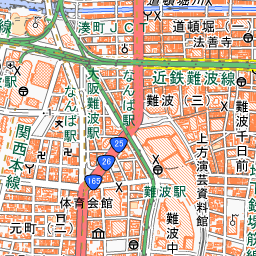
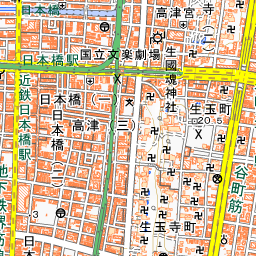
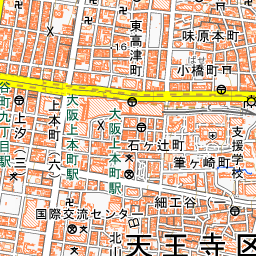


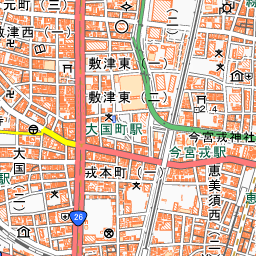
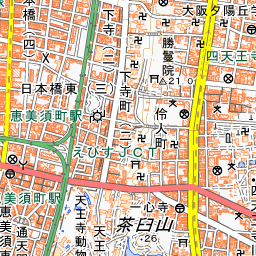
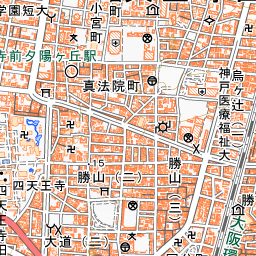
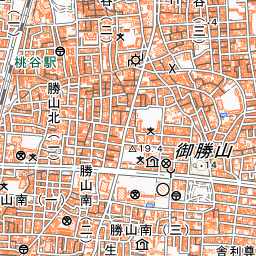
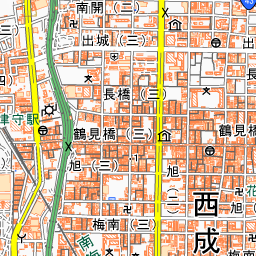

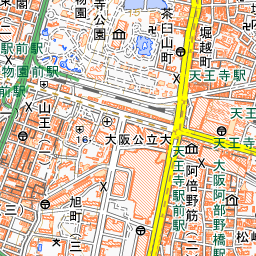

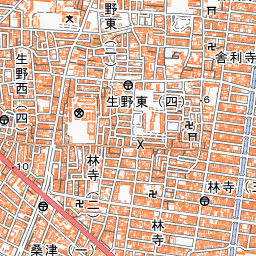
Spot location © OpenStreetMap contributors (ODbL)
Open in Google MapsGuides that include this spot (1)
Use asobot while you walk
- See where you are on the map and find spots nearby
- Listen to the guide's audio in course order, one after another (with subtitles)
- Walk to the next spot while following the map
Open on your phone
Scan to open this spot in asobot on your phone.