 ✨ AI Generated
Adachi Park of Living Things
Japanese: 足立区生物園
Adachi City, Tokyo
This information was written by AI and may contain mistakes. Please check official sources for opening hours, fees, and other details before you go.
Found a mistake? Let us know with “✏️ Something's wrong” on this spot's screen in asobot →
🎧 Audio guide(0:59)
In short
Adachi Park of Living Things is a zoo located in a corner of Motofuchie Park in Adachi City. It keeps about 400 species of living creatures, ranging from insects to mammals, and its great appeal is how close visitors can get to them. Tracing back its origins leads to the breeding of fireflies that city staff continued to carry out in the park.
- Giant Goldfish Tank: Right past the entrance in the "Encounter Plaza," a large tank where about 35 varieties of goldfish swim welcomes you.
- Large Butterfly Greenhouse: In an open-ceiling greenhouse spanning from the first to the second floor, a variety of butterflies fly all year round.
- Rare Creatures: You can see gundis, which are kept at only two facilities in Japan. The facility is also engaged in breeding the Tsushima-uraboshi-shijimi butterfly, an endangered butterfly species.
History and Highlights
Adachi Park of Living Things is a place designed to nurture compassion through hands-on interaction and to share the preciousness of life. It houses about 400 species of living creatures, including insects, fish, amphibians, reptiles, birds, and mammals.
The park's beginnings are tied to a story about fireflies. Adachi City once had many waterways and rice fields, and Heike fireflies grew naturally in abundance. Their numbers declined drastically during the period of rapid economic growth. Wanting people to see that light once again, city staff at the time began breeding them in Motofuchie Park, which had abundant water resources. The first viewing event was held in 1979, and a large Firefly Dome was constructed in 1985. This is today's Insect Dome. Then, in October 1993, Adachi Park of Living Things opened next to that dome.
The park is also engaged in conserving small butterflies. The Tsushima-uraboshi-shijimi butterfly is a tiny lycaenid butterfly found only in the northern part of Tsushima in Nagasaki Prefecture within Japan. In 2013, upon consultation with a conservation group, the park began trial breeding in the large greenhouse. In 2017, it received the "Breeding Award" from the Japanese Association of Zoos and Aquariums. It was the first time an insect received this award since its establishment.
Highlights & Things to Experience
- Giant Goldfish Tank and Japanese Squirrels: Right after entering, in the "Encounter Plaza," is the giant goldfish tank. There are about 35 varieties of goldfish, reflecting the history of the Ayase River basin as an area for goldfish farming. Looking up, a mesh tunnel runs across the open space overhead. If you are lucky, you can see Japanese squirrels scurrying through them.
- Large Butterfly Greenhouse: Spanning from the first to the second floor with an open ceiling, a variety of butterflies fly year-round amid lush tropical plants. The Tsushima-uraboshi-shijimi butterfly is sometimes put on special public display in this large greenhouse.
- Gundis and Guinea Pigs: The gundi is a rodent relative that lives in groups in desert rock formations and is also called the "fairy of the desert." A baby was born in the latter half of 2025. In the petting corner, you can experience interacting with guinea pigs.
Tips for Exploring
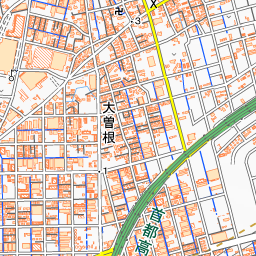
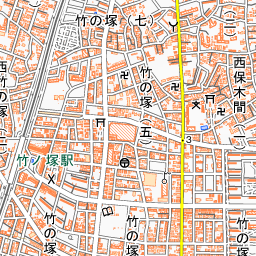
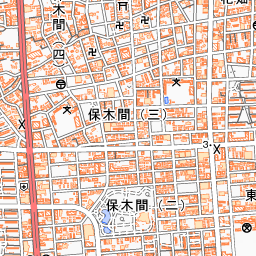
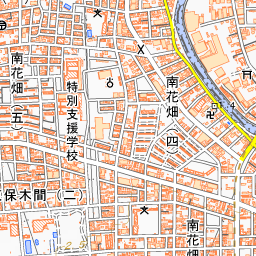
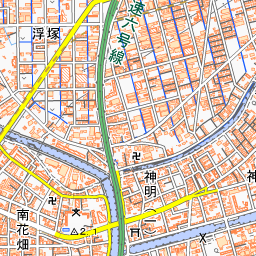
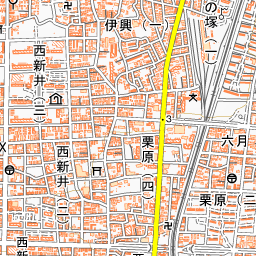
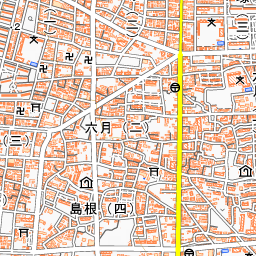
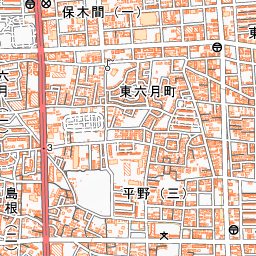
Start by viewing the giant goldfish tank, then head toward the large greenhouse. Outdoors, there is a garden inspired by satoyama (traditional rural landscapes) and the Australia Dome, where kangaroos and wallabies spend their time leisurely. In the Insect Dome, try searching for insects of Japan's satoyama. There is also an explanation corner staffed by employees. Outside, you will find the lawn square and fishing pond of Motofuchie Park. By train, it is about a 20-minute walk from the East Exit of Takenotsuka Station. From the West Exit of Kita-Senju Station, take a Toei Bus to "Hokima-nakadori" and walk for 10 minutes.
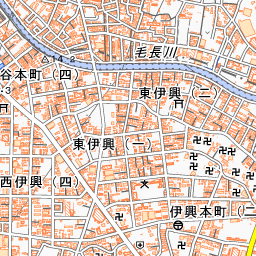
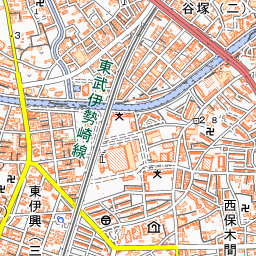
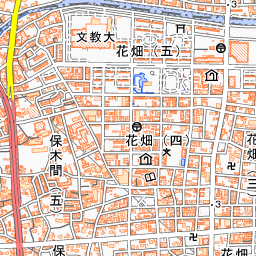
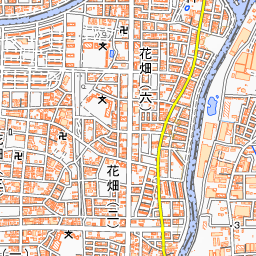

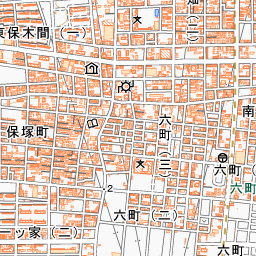
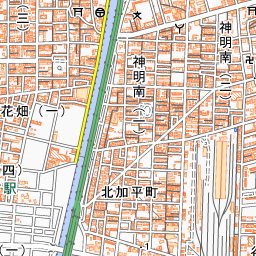
Spot location © OpenStreetMap contributors (ODbL)
Open in Google MapsUse asobot while you walk
- See where you are on the map and find spots nearby
- Listen to the guide's audio in course order, one after another (with subtitles)
- Walk to the next spot while following the map
Open on your phone
Scan to open this spot in asobot on your phone.