 ✨ AI Generated
Hanazono-jinja Shrine
Japanese: 花園神社
Shinjuku City, Tokyo
This information was written by AI and may contain mistakes. Please check official sources for opening hours, fees, and other details before you go.
Found a mistake? Let us know with “✏️ Something's wrong” on this spot's screen in asobot →
🎧 Audio guide(1:02)
In short
Hanazono-jinja Shrine has gathered the faith of many people as the grand tutelary shrine (sochinju) of Shinjuku. It is said to have been spiritually divided and invited (kanjo) from Mount Yoshino in Yamato before 1590, when the Tokugawa clan entered Musashi Province. Since theatrical performances and plays were staged within its grounds during the Edo period, it has a deep connection with the performing arts.
- Geino Sengen-jinja Shrine: An auxiliary shrine on the grounds enshrining Konohanasakuya-hime, known for receiving many dedications related to the entertainment industry
- Itoku Inari-jinja Shrine: A shrine lined with donated red torii gates, popular among female worshipers
- Tori-no-Ichi: During the Otori-sai in November, stalls selling ornamental rakes (kumade) appear, and the fair is counted among the "Three Major Tori-no-Ichi of Kanto"
History and Highlights
Hanazono-jinja Shrine is the grand tutelary shrine of Shinjuku. Even before Tokugawa Ieyasu established the shogunate in Edo, it occupied an important position as the grand tutelary deity. It is believed to have been invited from Mount Yoshino in Yamato before the Tokugawa clan entered Musashi Province in 1590. The enshrined deity is Ukanomitama-no-Mikoto, and together with the jointly enshrined Yamatotakeru-no-Mikoto and Ukemochi-no-Kami, a total of three deities are worshiped here.
Until the Kan'ei era, it was located about 250 meters to the south of where it is now, near the current Isetan Department Store. When the hatamoto Asakura Chikugo-no-kami was granted a suburban residence (shimoyashiki) in this area, the shrine grounds became enclosed within that estate. After an appeal to the shogunate, the shrine was granted its current site. That land was part of the garden of the Owari Domain's suburban residence, where many flowers are said to have bloomed in abundance. Because it moved to the former site of this flower garden (hanazono), it came to be called "Hanazono Inari-jinja Shrine," which is considered the origin of its name.
Its connection with the performing arts began in the Edo period. In 1780 (An'ei 9) and 1811 (Bunka 8), in order to rebuild the main hall destroyed by major fires, theaters were set up on the shrine grounds to stage side-shows, theatrical performances, and dances, which were very well received. After World War II, tent plays by Kara Juro were held within the grounds, fulfilling a role in fostering the culture of Shinjuku. The current shrine pavilion is a reinforced concrete structure completed in June 1965.
Highlights for Viewing and Experiencing
- Geino Sengen-jinja Shrine: One of the shrines on the grounds, it enshrines Konohanasakuya-hime. Due to its deep connection with theatrical and dance performances since the old days of Edo, it is famous for having many dedications related to performing arts, such as theater and music. Though a small shrine, it stands atop a Fujizuka (a miniature Mount Fuji). Next to it stands a song monument to Fuji Keiko.
- Itoku Inari-jinja Shrine: Reputed to have been built around April 1928, it is highly popular among female worshipers. Lined with donated red torii gates, walking through it gives a mysterious sensation, as if stepping into a tunnel to another world.
- Grand Torii Gate and Karajishi: The grand torii gate at the entrance of the grounds is made of iron and was erected in 1996. The bronze karajishi (Chinese guardian lions), cast in 1821 (Bunsei 4) by the master craftsman Murata Seimin, are registered as tangible cultural properties of Shinjuku Ward.
Travel Tips
The nearest access is Exit E2 of Shinjuku-sanchome Station, a 0-minute walk. It is a 7-minute walk from the East Exit of Shinjuku Station. On the Days of the Rooster (Tori no Hi) in November, the Otori-sai festival is held, featuring stalls that sell ornamental rakes. This Tori-no-Ichi fair is counted among the "Three Major Tori-no-Ichi of Kanto," alongside Otori-jinja Shrine in Asakusa and Okunitama-jinja Shrine in Fuchu. During the annual Grand Festival (Reitaisai) in May, kagura (sacred Shinto dance) and ohayashi (festival musical accompaniment) are performed at the Kagura-den hall. Shinjuku Golden Gai is adjacent to the grounds, about 120 meters to the northwest. Shinjuku Suehirotei is about 240 meters to the south.

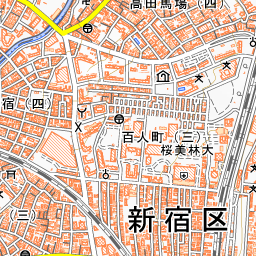


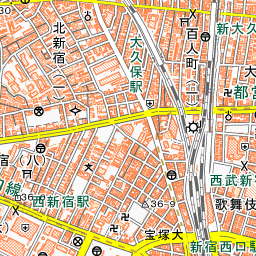


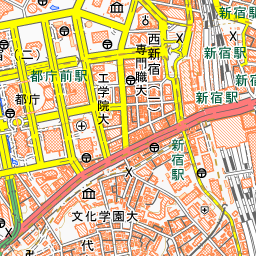


Spot location © OpenStreetMap contributors (ODbL)
Open in Google MapsGuides that include this spot (1)
Use asobot while you walk
- See where you are on the map and find spots nearby
- Listen to the guide's audio in course order, one after another (with subtitles)
- Walk to the next spot while following the map
Open on your phone
Scan to open this spot in asobot on your phone.