 ✨ AI Generated
Kuromon Market
Japanese: 黒門市場
Chuo Ward, Osaka
This information was written by AI and may contain mistakes. Please check official sources for opening hours, fees, and other details before you go.
Found a mistake? Let us know with “✏️ Something's wrong” on this spot's screen in asobot →
🎧 Audio guide(1:08)
In short
A market in Minami, in central Osaka, serving both wholesale and retail functions. Its beginnings are said to date back to around the 5th to 6th year of the Bunsei era (1822 to 1823). Merchants gathered around a black temple gate near Enmyo-ji Temple in Nipponbashi to sell fish, which marked its origin, and because the gate was black, it came to be called "Kuromon Market." About 150 shops stand side by side under an arcade roughly 580 meters long.
- Pike Conger (Hamo) in Summer, Blowfish (Fugu) in Winter: Because many chefs from traditional ryotei restaurants come here to shop, the market has many blowfish and fresh fish shops, and summer pike conger and winter blowfish are its specialties
- Street Food: Skewered grilled seafood at fishmongers, fresh juice at fruit shops, and matcha soft-serve ice cream at tea shops make up a lineup of street food characteristic of "Osaka, the city of kuidaore (eating until you drop)"
- Year-End Bustle: Around 18,000 people visit on weekdays, and around 150,000 toward the end of the year, filling the market with energy and crowds of shoppers
History and Highlights
Kuromon Market is a marketplace located in Minami, the central district of Osaka. Serving both wholesale and retail functions, it has continued since the late Edo period, sustaining the appetites of the locals of Naniwa (Osaka).
Its beginnings are said to date back to around the 5th to 6th year of the Bunsei era, roughly 1822 to 1823. Merchants gathered near the black main gate of Enmyo-ji Temple in Nipponbashi to sell fish brought in from Sakai and Kishu, which marked its origin. Because the temple gate was black (kuro), it came to be called "Kuromon Market." It is said that until it burned down along with the temple in the Namba fire of 1912 (Meiji 45), it was called "Enmyo-ji Market." Later, it burned down once more during the air raids on Osaka, but it was reconstructed after the war and continues to this day.
Under an arcade roughly 580 meters long, about 150 shops stand side by side. Diverse stores line the street—from fresh fish, vegetables, and fruit to meat, pickles, dried foods, and Japanese and Western sweets—always bustling with crowds of visitors.
Sights and Experiences
- Pike Conger (Hamo) in Summer, Blowfish (Fugu) in Winter: Because many chefs from traditional ryotei restaurants come here to shop, the market has numerous fresh fish and blowfish vendors, with summer pike conger and winter blowfish being renowned specialties. About 10 percent of the fresh fish shops even display signs specializing in blowfish.
- Street Food: Skewered grilled seafood at fishmongers, fresh juice at fruit shops, and matcha soft-serve ice cream at tea shops provide a lineup of casual street foods truly characteristic of Osaka, the city of kuidaore (eating until you drop).
- Year-End Bustle: Around 18,000 people visit on weekdays, and around 150,000 visit toward the end of the year, overflowing with energy from large crowds of shoppers.
Travel Tips
The market is right outside Nipponbashi Station on the Osaka Metro Sennichimae Line. About 270 meters to the northeast is the National Bunraku Theatre, which stages Bunraku puppet theater, and about 300 meters to the west is Namba Grand Kagetsu. Together, they allow you to explore the culture and cuisine of Minami.
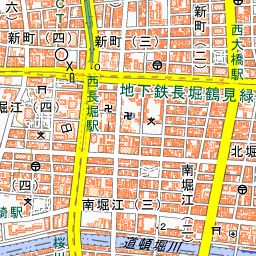
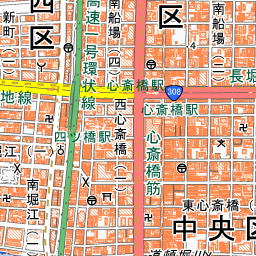
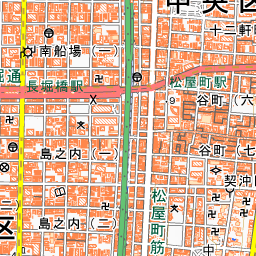
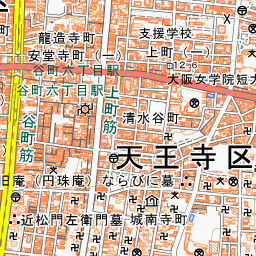
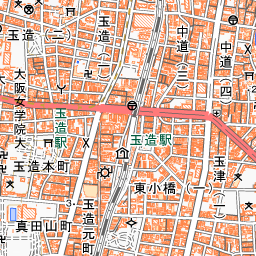
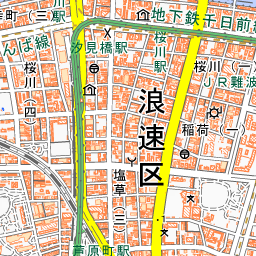
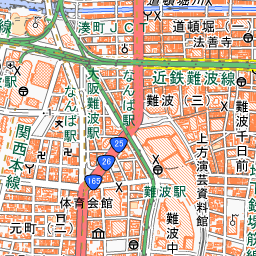
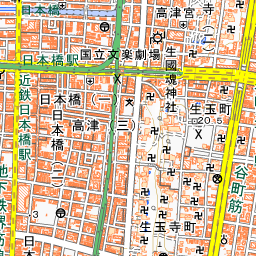
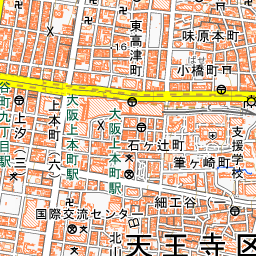


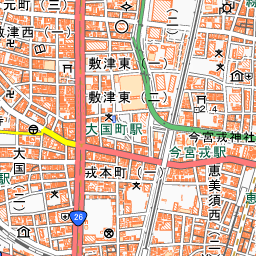
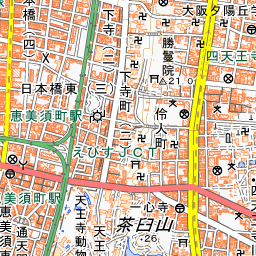
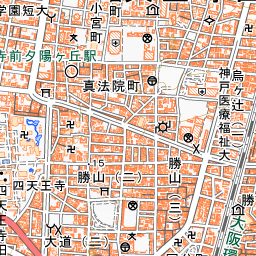
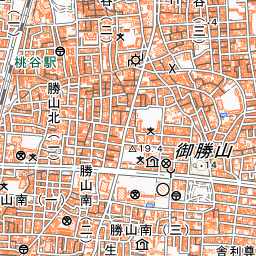
Spot location © OpenStreetMap contributors (ODbL)
Open in Google MapsGuides that include this spot (1)
Use asobot while you walk
- See where you are on the map and find spots nearby
- Listen to the guide's audio in course order, one after another (with subtitles)
- Walk to the next spot while following the map
Open on your phone
Scan to open this spot in asobot on your phone.