 ✨ AI Generated
Daigan-ji Temple
Japanese: 大願寺
Hatsukaichi, Hiroshima
This information was written by AI and may contain mistakes. Please check official sources for opening hours, fees, and other details before you go.
Found a mistake? Let us know with “✏️ Something's wrong” on this spot's screen in asobot →
🎧 Audio guide(1:12)
In short
Daigan-ji Temple is a temple of the Koyasan Shingon sect with deep ties to Itsukushima Shrine. Until the early Meiji period, it served as the fushin-bugyo (magistrate of construction and repair) overseeing the maintenance and construction of all temples and shrines throughout Itsukushima. Since the separation of Shinto and Buddhism, it has enshrined Itsukushima Benzaiten, counted as one of Japan's Three Great Benzaiten. Itsukushima Benzaiten is a hidden Buddhist image (hibutsu), and its doors are opened only once a year, on June 17.
- Buddhist Statues Relocated from Halls on the Island: The main hall enshrines many Buddhist statues that were originally located in halls and pagodas around the island, and the seated Shakyamuni Buddha and the statues of his two disciples, as well as the seated Yakushi Nyorai statue, are national Important Cultural Properties
- Site of Ceasefire Negotiations at the End of the Edo Period: In 1866, during the Second Choshu Expedition, Katsu Kaishu representing the shogunate and representatives of the Choshu Domain are said to have held ceasefire talks at this temple
- Precinct Buildings: There is the two-story Sanmon gate, flanked by Nio guardian statues on both sides, and the Goma-do (fire ritual hall), rebuilt in 2006 for the first time in approximately 140 years
History and Highlights
Daigan-ji Temple is a temple of the Koyasan Shingon sect located just outside the exit of Itsukushima Shrine. Although the exact date of its founding is unknown, it is said to have been restored by the monk Ryokai during the Kennin era (1201–1204) of the Kamakura period. Until the early Meiji period, it served as the fushin-bugyo (magistrate of construction and repair) overseeing the maintenance and construction of all temples and shrines throughout Itsukushima, forging deep ties with Itsukushima Shrine.
Following the separation of Shinto and Buddhism in the early Meiji period, Itsukushima Benzaiten, counted as one of Japan's Three Great Benzaiten, was transferred to and enshrined at this temple. The other two are the Benzaiten of Chikubushima Island in Lake Biwa and Enoshima Island in Kanagawa Prefecture. Itsukushima Benzaiten is a hidden Buddhist image (hibutsu), and the doors to its sanctuary are opened only once a year on June 17.
Viewing and Experience Highlights
- Buddhist Statues Relocated from Halls on the Island: The main hall enshrines many Buddhist statues that were originally located in halls and pagodas around the island. Among them, the seated Shakyamuni Buddha and the statues of his two disciples, Anan and Kasho, which were once enshrined in Hokoku-jinja Shrine (Senjokaku Hall), as well as the seated Yakushi Nyorai statue, are designated as national Important Cultural Properties.
- Site of Ceasefire Negotiations at the End of the Edo Period: In 1866 (Keio 2), during the Second Choshu Expedition at the end of the Edo period, Katsu Kaishu representing the shogunate and representatives of the Choshu Domain are said to have held ceasefire talks at this temple. It serves as a reminder that Miyajima was also the stage for major historical movements.
- Precinct Buildings: The Sanmon gate is a two-story gate said to have been built during the Genroku era of the Edo period, flanked by Nio guardian statues on both sides. In 2006 (Heisei 18), the Goma-do (fire ritual hall) was rebuilt for the first time in approximately 140 years, and it enshrines a large statue of Fudo Myoo carved from sandalwood.
Travel Tips
Daigan-ji Temple is situated right near the exit after visiting Itsukushima Shrine. Hokoku-jinja Shrine (Senjokaku Hall), which stands on the hill near the entrance, is the hall where the statue of Shakyamuni Buddha now preserved here was originally enshrined. Visiting both together offers a glimpse into how Miyajima looked when the shrine and temple were deeply intertwined. Heading west from Daigan-ji Temple leads toward the Miyajima Public Aquarium, while heading up toward the mountain leads toward Daisho-in Temple.


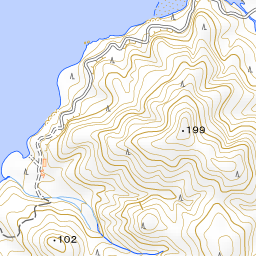


Spot location © OpenStreetMap contributors (ODbL)
Open in Google MapsGuides that include this spot (1)
Use asobot while you walk
- See where you are on the map and find spots nearby
- Listen to the guide's audio in course order, one after another (with subtitles)
- Walk to the next spot while following the map
Open on your phone
Scan to open this spot in asobot on your phone.