 ✨ AI Generated
Taito City Shitamachi Museum
Japanese: 台東区立したまちミュージアム
Taito City, Tokyo
This information was written by AI and may contain mistakes. Please check official sources for opening hours, fees, and other details before you go.
Found a mistake? Let us know with “✏️ Something's wrong” on this spot's screen in asobot →
🎧 Audio guide(1:04)
In short
Taito City Shitamachi Museum is a facility that conveys the culture and traditions of the shitamachi (traditional downtown areas), centered around Taito City. Established in 1980 as the Shitamachi Customs Museum, it reopened in March 2025 under a new name following renovation work. On the first floor, the shitamachi townscape of the Showa 30s (mid-1950s to mid-1960s) is reproduced in full scale.
- Full-Scale Townscape: Step inside the omote-nagaya (front tenement houses) and ura-nagaya (rear tenement houses) to experience life back then while touching everyday household tools.
- Communal Water Supply in the Alley: Washtubs line a corner of the alley, and a kamishibai (paper-theater) storyteller's bicycle is parked in the back.
- Shinobazu Pond from the 3rd Floor: Take in a panoramic view of Shinobazu Pond from the Shitamachi Information Corner on the third floor.
History and Highlights
Taito City Shitamachi Museum is located near Shinobazu Pond and passes down the culture and traditions of the shitamachi, centered on Taito City, to future generations. It was originally established in 1980 as the Shitamachi Customs Museum. Due to the aging of the building, renovation work was carried out starting in 2023, and it reopened with its new name on March 9, 2025.
The reproduction display on the first floor is set in Sakamoto, Taito City—now known as Negishi 3-chome—during the Showa 30s. Facing Kanasugi-dori Street, this area escaped damage from both the Great Kanto Earthquake and the air raids on Tokyo, so many old townscapes and buildings remained. In the shitamachi of the past, townscapes commonly featured omote-nagaya where workspaces and living quarters were combined, alleys and well-side areas where walkways and domestic life mingled, and ura-nagaya serving as residences. The exhibition recreates these omote-nagaya and ura-nagaya buildings in full scale.
Viewing and Experience Highlights
- Reproduced Townscape Exhibition: You can actually step inside the buildings and touch household tools to experience life at that time. Visitors can also view a lantern maker's workshop and the interior of the rear tenement houses. Seasonal displays related to annual events are also presented within the reproduced townscape.
- Life in the Alleys: Washtubs line a corner of the alley. Although piped water had reached individual homes in this area by the Showa 30s, such communal water taps still remained. Fire cisterns were essential features in the shitamachi, where wooden houses were clustered together; during normal times, boards were sometimes placed over them to display potted plants. In the back of the alley, a kamishibai storyteller's bicycle is parked.
- Second Floor Displays: In the introductory exhibit, daily household tools are arranged around a chabudai (low dining table) where families gathered, while a screen directly ahead plays a video tracing the history of Taito City. The permanent exhibition room also displays a "jido denwa" (automatic telephone). Japan's first public telephones were installed in September 1900 inside both Ueno and Shimbashi stations, and were initially called "jido denwa."
Walking Tips
After touring the first and second floors, head up to the Shitamachi Information Corner on the third floor. There is a hands-on corner with old tools, and you can enjoy a panoramic view of Shinobazu Pond. In the first-floor exhibition room, live street kamishibai performances are also held.
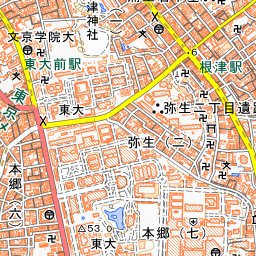
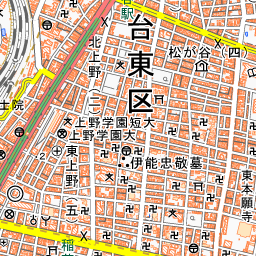
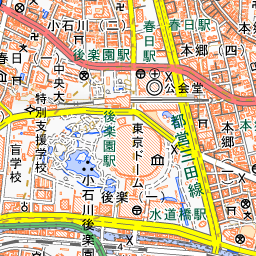
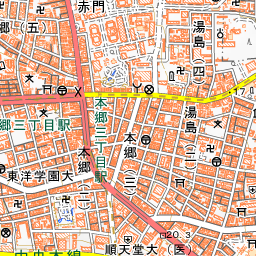
The museum is a 5-minute walk from the Shinobazu Exit of JR Ueno Station and a 3-minute walk from Keisei Ueno Station. Shinobazu Pond is about 240 meters northwest, and Ameya Yokocho is about 180 meters east.
For a longer stroll, visit the museum's annex, the Former Yoshidaya Sake Store. This building, originally constructed in 1910 for Yoshidaya—a sake merchant that operated in Yanaka 6-chome for generations since the Edo period—was later moved to its present site. Its current location is in Ueno Sakuragi 2-chome, about a 20-minute walk from the museum.








Use asobot while you walk
- See where you are on the map and find spots nearby
- Listen to the guide's audio in course order, one after another (with subtitles)
- Walk to the next spot while following the map
Open on your phone
Scan to open this spot in asobot on your phone.