 ✨ AI Generated
Tofuku-ji Temple
Japanese: 東福寺
Higashiyama Ward, Kyoto
This information was written by AI and may contain mistakes. Please check official sources for opening hours, fees, and other details before you go.
Found a mistake? Let us know with “✏️ Something's wrong” on this spot's screen in asobot →
🎧 Audio guide(1:06)
In short
The head temple of the Rinzai sect's Tofuku-ji school. Kujo Michiie, a regent during the Kamakura period, took the characters "To" and "Fuku" from Todai-ji and Kofuku-ji in Nara and spent 19 years constructing Kyoto's largest grand temple complex. It flourished as one of the Kyoto Gozan (five great Zen temples of Kyoto), and medieval Zen architecture such as the Sanmon gate, Zendo (meditation hall), and Tosu (restroom) still survives today.
- Tsutenkyo Bridge and Sengyokukan Ravine: A covered bridge corridor that spans the Sengyokukan Ravine to connect the main hall with the Kaisando (Founder's Hall). Maple trees spread below, and it is renowned for its views of autumn foliage and fresh green leaves
- Hasso Garden: Four gardens to the east, west, south, and north of the Hojo (abbot's quarters), completed in 1939 (Showa 14) by garden designer Shigemori Mirei. Named the "Hasso Garden" after the Eight Phases of the Buddha's Life (Hasso Jodo), it was designated a national Place of Scenic Beauty in 2014 (Heisei 26)
- National Treasure Sanmon Gate: The oldest and largest existing Sanmon gate of a Zen temple, and the "Myo-unkaku" plaque on its upper level was brushed by Ashikaga Yoshimochi, the fourth shogun of the Muromachi shogunate
History and Highlights
Tofuku-ji Temple is the head temple of the Rinzai sect's Tofuku-ji school, with the mountain name Enichizan. Kujo Michiie, a regent during the Kamakura period, took the characters "To" and "Fuku" from Nara's largest temple, Todai-ji, and its most prosperous temple, Kofuku-ji, to construct Kyoto's largest grand temple complex. It took 19 years to complete, spanning from 1236 (Katei 2) to 1255 (Kencho 7), welcoming Shoichi Kokushi (Enni Ben'en) as its founding abbot. Although much was lost in subsequent fires, it was rebuilt at the beginning of the Muromachi period and flourished as one of the Kyoto Gozan (five great Zen temples of Kyoto). While a fire in 1881 (Meiji 14) destroyed the main Buddha hall and the Hatto (Dharma Hall), medieval Zen architecture—including the Sanmon gate, Zendo (meditation hall), and Tosu (restroom)—still survives today.
Viewing and Experience Highlights
- Tsutenkyo Bridge and Sengyokukan Ravine: Tsutenkyo Bridge is a covered bridge corridor that spans the Sengyokukan Ravine to connect the main hall with the Kaisando (Founder's Hall), said to have been built in 1380 (Tenju 6). Maple trees spread below, making it renowned for its views of autumn foliage and fresh green leaves. The rare three-lobed maple trees that turn a golden hue are said to be Chinese maples brought over from Song dynasty China by Shoichi Kokushi.
- Honbo Garden, a National Place of Scenic Beauty: Completed in 1939 (Showa 14) by garden designer Shigemori Mirei, this site consists of four gardens arranged to the east, west, south, and north of the Hojo (abbot's quarters). The South Garden depicts the islands of immortals using rock arrangements and the Kyoto Gozan with mossy mounds; the West Garden features a large checkerboard pattern made of trimmed satsuki azaleas; the North Garden presents a small checkerboard pattern of moss and stones; and the East Garden represents the Big Dipper using stone pillars that were once the foundation stones of the Tosu. Named the "Hasso Garden" after the Eight Phases of the Buddha's Life (Hasso Jodo), it was designated a national Place of Scenic Beauty in 2014 (Heisei 26).
- National Treasure Sanmon Gate and Medieval Zen Architecture: The Sanmon gate is the oldest and largest existing Zen temple gate in Japan and is designated a National Treasure. The ridge height exceeds 22 meters, and the "Myo-unkaku" plaque on the upper level was brushed by Ashikaga Yoshimochi, the fourth shogun of the Muromachi shogunate. The Important Cultural Property Zendo is the oldest and largest zazen meditation hall in Japan, and the Tosu, also an Important Cultural Property, is Japan's oldest Zen monastic latrine, commonly known as Hyakusecchin.
Walking Tips
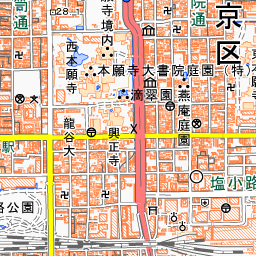
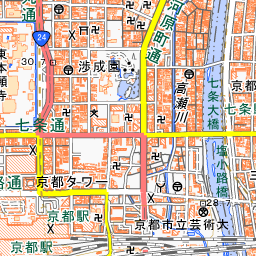
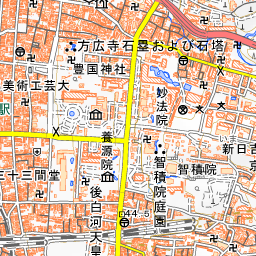
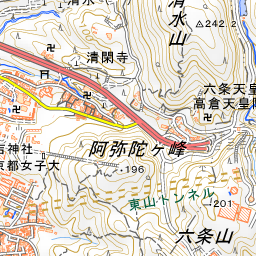
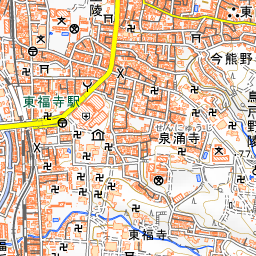
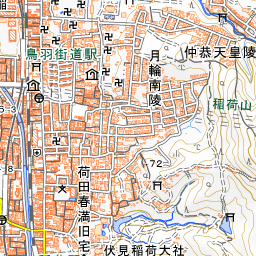
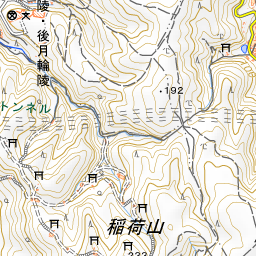
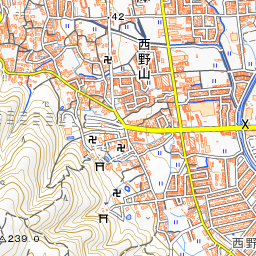
Three wooden bridges cross the ravine within the grounds; from west to east, they are Gaunkyo Bridge, Tsutenkyo Bridge, and Engetsukyo Bridge. Tsutenkyo Bridge can be viewed from Gaunkyo Bridge. Zazen meditation sessions are held in the Zendo every Sunday. As it becomes very crowded during the autumn foliage season, visitors are encouraged to use public transportation. It is about a 10-minute walk from Tofuku-ji Station on the JR Nara Line and Keihan Railway, and about an 8-minute walk from Toba-kaido Station on the Keihan Railway. To the east lies Sennyu-ji Temple.
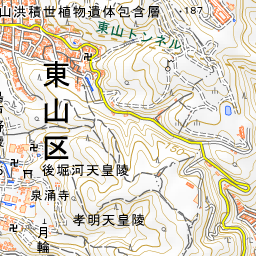
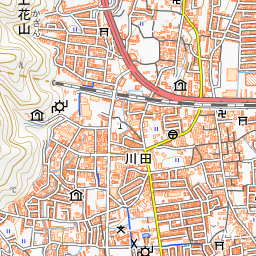
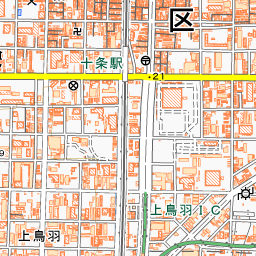
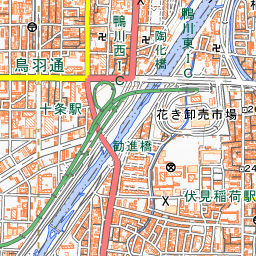
Spot location © OpenStreetMap contributors (ODbL)
Open in Google MapsGuides that include this spot (1)
Use asobot while you walk
- See where you are on the map and find spots nearby
- Listen to the guide's audio in course order, one after another (with subtitles)
- Walk to the next spot while following the map
Open on your phone
Scan to open this spot in asobot on your phone.