 ✨ AI Generated
Mt. Amanokagu
Japanese: 天香久山
Kashihara, Nara
This information was written by AI and may contain mistakes. Please check official sources for opening hours, fees, and other details before you go.
Found a mistake? Let us know with “✏️ Something's wrong” on this spot's screen in asobot →
🎧 Audio guide(1:10)
In short
Mt. Amanokagu is one of the Yamato Sanzan Mountains and has been regarded as the most sacred among the three. As a mountain said to have descended from heaven, it has been especially revered as a holy site since the era of the Kojiki and Nihon Shoki. It is celebrated in the Manyoshu (Collection of Ten Thousand Leaves), and at its base lies a shrine associated with the myth of Amano-Iwato (the heavenly rock cave).
- Amano-Iwato Shrine: A shrine that worships, as its sacred object, a giant boulder where Amaterasu Omikami is said to have hidden
- Amanokaguyama Shrine: A "hahaka tree" has taken root here, the kind said to have been used for divination in the Kojiki
- View from the Summit: Overlooks Mt. Unebi, the Fujiwara Palace Site, Mt. Nijo, and more
History and Highlights
Mt. Amanokagu is one of the three peaks known alongside Mt. Unebi and Mt. Miminashi as the Yamato Sanzan Mountains. The Yamato Sanzan Mountains were designated as a Place of Scenic Beauty in 2005 (Heisei 17). In the Manyoshu, its name appears in verse with different kanji but the same reading. It stands at an elevation of 152.4 meters. As part of a ridge extending from Tonomine, with the surrounding base at an elevation of about 80 meters, it does not appear very high. It feels more like a hill than a mountain.
Among the Yamato Sanzan Mountains, it has been regarded as the most sacred. The prefix "Ama-no" (heavenly) comes from the legend that it descended from heaven. It has been considered a particularly revered holy ground since the era of the Kojiki and Nihon Shoki. It is also thought that it was worshipped because its location and appearance were well-suited for ancient rituals.
Many poems about the Yamato Sanzan Mountains are included in the Manyoshu and other works. Among the verses composed about Mt. Amanokagu, Empress Jito's poem, "Spring has passed and summer seems to have come, for white robes are spread out to dry on heavenly Mt. Kagu," is widely known. Emperor Jomei also left a "kunimi" poem (viewing the land) from this mountain, looking out over the realm to celebrate the nation's prosperity in advance.
Viewing and Experience Points
- Amano-Iwato Shrine: A shrine located at the southern foot of the mountain. It has no main hall (honden); instead, a giant boulder said to be the Amano-Iwato where Amaterasu Omikami hid serves as the sacred object of worship (shintai). The grounds hold the legend of the "Mystery of the Seven Bamboos," where seven new bamboos grow each year while another seven wither away.
- Amanokaguyama Shrine: A shrine situated at the northern foot of the mountain, where the deity Kushimachi no Mikoto is enshrined. Within the grounds grows a "hahaka tree." According to the Amano-Iwato myth in the Kojiki, the bones of a stag from Mt. Amanokagu were scorched using the bark of this tree to divine good or ill fortune.
- Kuninotokotachi Shrine at the Summit: At the summit stands Kuninotokotachi Shrine, which enshrines Kuninotokotachi no Mikoto, the deity of land formation. From the peak, you can see Mt. Unebi, the Fujiwara Palace Site, Mt. Nijo, and other surrounding sights.
Tips for Exploring
It is about a 23-minute walk from JR Kaguyama Station, or about a 5-minute walk from the Minamiuracho stop on the Kashihara City Community Bus. The mountain trail is well maintained, taking about 20 minutes one-way from the trailhead to the summit. The slopes across the Yamato Sanzan Mountains are gentle overall, attracting visitors who enjoy walking in any season. From the Fujiwara Palace Site to the west, you can view the ridgeline of the Yamato Sanzan Mountains, including Mt. Amanokagu. On the east side of Daigo Pond at the Fujiwara Palace Site, a stone monument inscribed with the poem by Empress Jito stands with Mt. Amanokagu in the background.
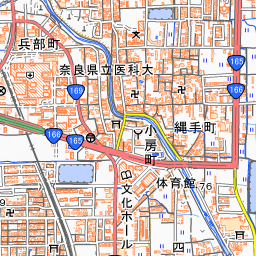
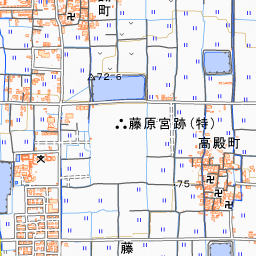
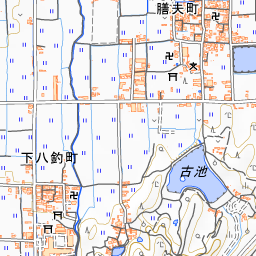
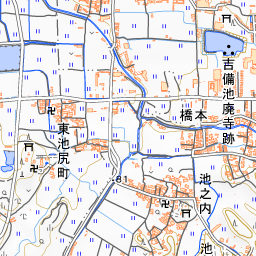
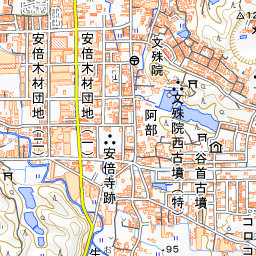
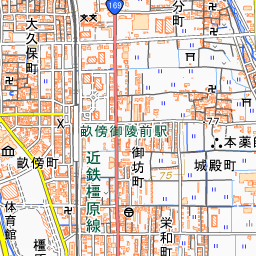
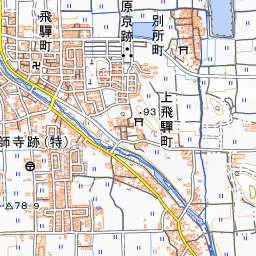
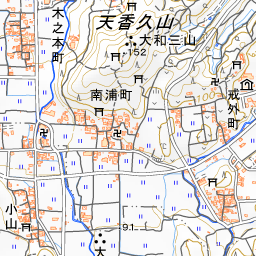
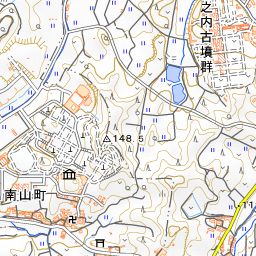
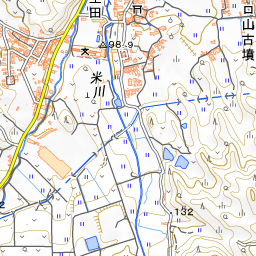
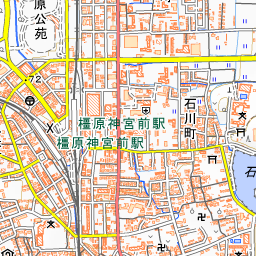
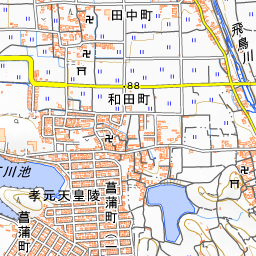
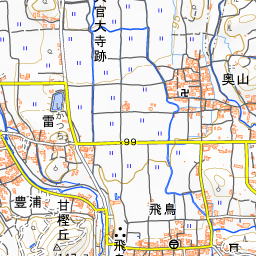
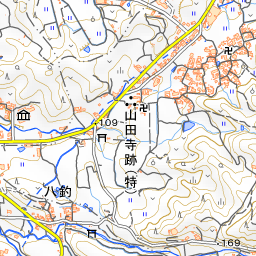
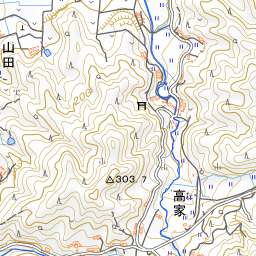
Spot location © OpenStreetMap contributors (ODbL)
Open in Google MapsGuides that include this spot (1)
Use asobot while you walk
- See where you are on the map and find spots nearby
- Listen to the guide's audio in course order, one after another (with subtitles)
- Walk to the next spot while following the map
Open on your phone
Scan to open this spot in asobot on your phone.