 ✨ AI Generated
Nyoirin-ji Temple
Japanese: 如意輪寺
Yoshino Town, Nara
This information was written by AI and may contain mistakes. Please check official sources for opening hours, fees, and other details before you go.
Found a mistake? Let us know with “✏️ Something's wrong” on this spot's screen in asobot →
🎧 Audio guide(1:05)
In short
Nyoirin-ji Temple is a Jodo sect Buddhist temple situated on the slopes of Mt. Yoshino, separated by a valley from the bustling town. Designated as an imperial prayer temple (chokuganji) by Emperor Go-Daigo, the temple has Tonoo Imperial Mausoleum, the emperor's burial site, behind its main hall. Having deep ties to the Southern Court, the temple preserves the wooden door on which Kusunoki Masatsura carved his death poem before departing for battle.
- North-Facing Imperial Mausoleum: Emperor Go-Daigo's mausoleum is said to be the only north-facing imperial mausoleum among all imperial tombs.
- Door with the Death Poem: The door on which Kusunoki Masatsura carved his death poem using an arrowhead is on display in the treasure hall.
- Overlooking the Cherry Blossoms of Naka-Senbon: From the Shoin (drawing room), you can look out across the valley toward the cherry blossoms of Naka-Senbon.
History and Highlights
Nyoirin-ji Temple is a Jodo sect temple located halfway up Mt. Yoshino. Its official name is Tonoosan Chinkain Nyoirin-ji, and its principal image of worship is Nyoirin Kannon.
It is said that Nichizo Doken Shonin founded the temple as a Shingon sect temple during the Engi era (901–923). When Emperor Go-Daigo established his temporary palace in Yoshino, it was designated as an imperial prayer temple.
Emperor Go-Daigo is said to have prayed fervently to the temple's Nyoirin Kannon and Zao Gongen. On August 16 in the 4th year of Engen (1339), the emperor passed away in Yoshino. According to temple tradition, he died gripping a sword in his right hand and a sutra scroll in his left, still glaring toward Kyoto. Leaving behind the words, "Though my jade bones be buried beneath the moss of the southern mountains, my spirit will forever gaze upon the skies over the imperial palace to the north," he was interred deep in the woods behind the main hall. This tomb is called the "Tonoo Imperial Mausoleum" and is said to be the only imperial mausoleum that faces north.
In the 2nd year of Shohei, before the Battle of Shijonawate, Kusunoki Masatsura visited this temple together with 143 members of his clan and retainers. It is said that Masatsura carved his death poem into the door of the main hall with an arrowhead, recorded the names of the 143 men in the necrology (Kakocho), and set out for battle.
During the Edo period, the monk Bunyo Tetsugyu Shonin entered the temple as its restorer, and its affiliation was changed from the Shingon sect to the Jodo sect. It continues to this day as a temple that guards the imperial mausoleum.
Highlights for Viewing and Experiencing
- Treasure Hall: Displays items connected to the Southern Court, including the door on which Kusunoki Masatsura carved his death poem, as well as helmets and swords. The standing statue of Zao Gongen, carved from cherry wood, is a National Important Cultural Property.
- Spots Connected to the Kusunoki Father and Son on the Grounds: Within the grounds are statues of the Kusunoki father and son, as well as a mokkoku (ternstroemia) tree said to have been planted by Masatsura. There is also a Magezuka (topknot mound) for Masatsura's party. The temple gate still bears scorch marks from when it was set on fire during the anti-Buddhist movement (haibutsu kishaku) of the Meiji period.
- Tahoto Pagoda and the Cherry Blossoms of Naka-Senbon: The Tahoto pagoda is a two-story pagoda built entirely of zelkova wood. From the Shoin, visitors can look across the valley at the cherry blossoms of Naka-Senbon. From late March to early April, the weeping cherry tree in the garden makes a beautiful sight together with the Tahoto pagoda.
Tips for Exploring
It is about a 35-minute walk along the Sasayaki-no-Komichi path from Kintetsu Yoshino Station. Because it is separated from the bustling town by a valley, it is said that visitors can spend a relatively relaxing time here even during the blossom season. On September 27 each year, during the memorial service for Emperor Go-Daigo, the main hall, which is usually closed to the public, is open for worship. Yoshimizu-jinja Shrine is located approximately 590 meters west-northwest, and Chikurin-in Temple is about 620 meters southwest.
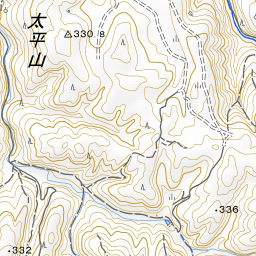
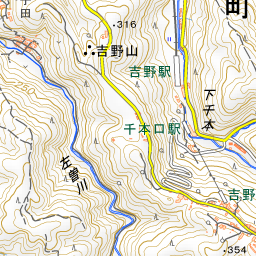
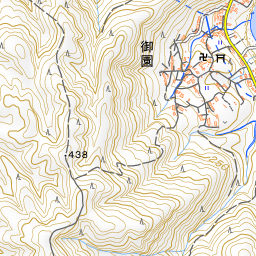
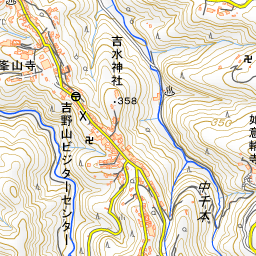
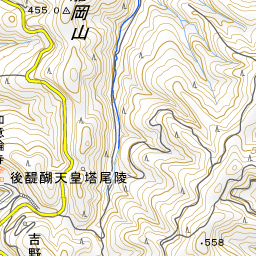
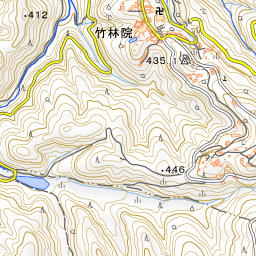
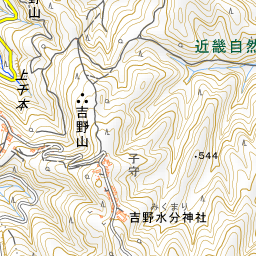
Spot location © OpenStreetMap contributors (ODbL)
Open in Google MapsGuides that include this spot (1)
Use asobot while you walk
- See where you are on the map and find spots nearby
- Listen to the guide's audio in course order, one after another (with subtitles)
- Walk to the next spot while following the map
Open on your phone
Scan to open this spot in asobot on your phone.