 ✨ AI Generated
Ningyocho
Japanese: 人形町
Chuo City, Tokyo
This information was written by AI and may contain mistakes. Please check official sources for opening hours, fees, and other details before you go.
Found a mistake? Let us know with “✏️ Something's wrong” on this spot's screen in asobot →
🎧 Audio guide(1:00)
In short
Ningyocho is a historic and traditional downtown (shitamachi) district located in Nihonbashi, which was the heart of Edo. During the Edo period, a theater district developed here around the Nakamuraza and Ichimuraza theaters, and from the end of the Edo period through the Showa era, it also flourished as a geisha district (hanamachi). It is said that the district's name derives from the fact that many puppeteers who manipulated puppets for theatrical performances lived here.
- Traces of the Theater District and Geisha Quarter: Having partially escaped damage from wartime air raids, the district still retains its history and atmosphere as a geisha quarter.
- Amazake Yokocho: Along the street leading to the Meijiza Theater and Hamacho Park, many long-established shops and traditional craft stores dating from the Edo period remain.
- Seven Lucky Gods Pilgrimage: Centered around Suitengu Shrine, you can walk around eight shrines dedicated to the Seven Lucky Gods in about two hours.
History and Highlights
Ningyocho is a historic and traditional downtown district located in Nihonbashi, which was the center of Edo. It is situated about a 10-minute walk from Nihonbashi.
In the early Edo period, Moto-Yoshiwara, a licensed red-light district permitted by the shogunate, was located in this area. Moto-Yoshiwara was destroyed by fire in the Great Fire of Meireki in 1657 and relocated elsewhere. Additionally, a theater district developed around the Nakamuraza and Ichimuraza theaters, which were kabuki playhouses licensed by the shogunate. The theater districts of Sakaicho and Fukiyacho correspond to present-day Ningyocho 3-chome. It is said that the district's name comes from the fact that many puppeteers who operated puppets for theatrical performances resided in this area.
From the end of the Edo period through the Meiji, Taisho, and Showa eras, the area flourished as a geisha district where geisha gathered and lived. The area to the southwest of Moto-Yoshiwara was called "Yoshicho," a neighborhood name that remained in use until the neighborhood names were revised in 1980. During the air raids toward the end of World War II, some areas managed to partially escape destruction. As a result, it remains a town where the history and atmosphere of a geisha quarter linger today. In an alley that escaped the air raids stands "Yoshiume Yoshichotei," a wooden building constructed in the early Showa era that is listed as a Registered Tangible Cultural Property of Japan.
Highlights for Visitors
- Strolling Along Amazake Yokocho: Along Amazake Yokocho, which leads toward the Meijiza Theater and Hamacho Park, many traditional craft shops and long-established establishments dating from the Edo period remain. It is a small shopping street of about 400 meters continuing from Ningyocho Station, ideal for enjoying snacks while taking a walk.
- Seven Lucky Gods Pilgrimage: Centered around Suitengu Shrine, dedicated to safe childbirth and conception, eight shrines that enshrine the Seven Lucky Gods are carefully preserved. Touring these eight shrines while viewing the streetscape is an easy-to-walk course taking about two hours in total.
- Karakuri Clock Towers: As symbols of the town, there are two mechanical clock towers (karakuri yagura): the "Machi-bikeshi (town firefighters) Karakuri Tower" and the "Edo Rakugo Karakuri Tower." They convey the town's stylish history.
Tips for Exploring
In addition to Ningyocho Station, Suitengumae Station is also located nearby Ningyocho. In various seasons, events such as the pottery market (Setomono-ichi) and the doll market (Ningyo-ichi) are held, offering a glimpse into the seasonal rhythm of local life.
Amazake Yokocho is about 210 meters to the northeast, Suitengu Shrine is about 160 meters to the southeast, and Koami-jinja Shrine is about 320 meters to the west. Hamachogawa Green Road, built on the former site of the Hamacho River, also intersects with Amazake Yokocho, making the area well suited for walking and exploring.


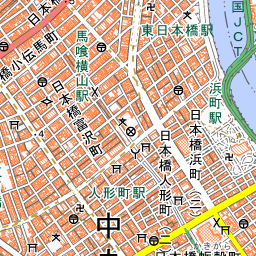
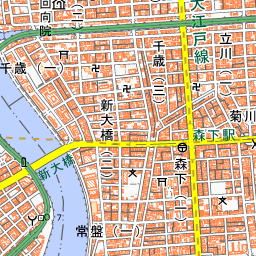
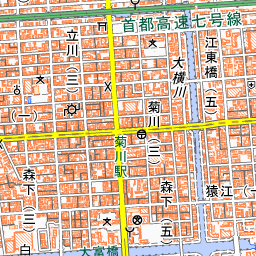
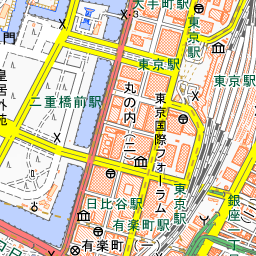
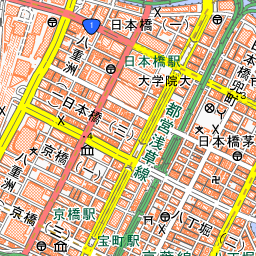
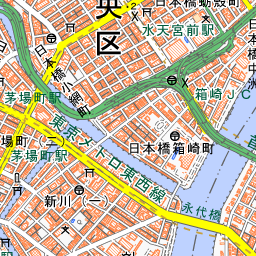
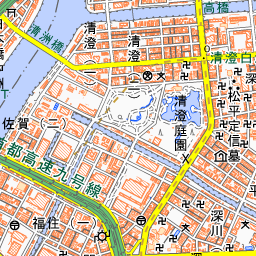
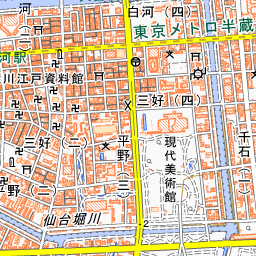
Spot location © OpenStreetMap contributors (ODbL)
Open in Google MapsGuides that include this spot (1)
Use asobot while you walk
- See where you are on the map and find spots nearby
- Listen to the guide's audio in course order, one after another (with subtitles)
- Walk to the next spot while following the map
Open on your phone
Scan to open this spot in asobot on your phone.