
Amanosan Kongo-ji Temple
Japanese: 天野山金剛寺
Kawachinagano, Osaka
This information was written by AI and may contain mistakes. Please check official sources for opening hours, fees, and other details before you go.
Found a mistake? Let us know with “✏️ Something's wrong” on this spot's screen in asobot →
🎧 Audio guide(1:19)
In short
A grand head temple of the Omuro branch of Shingon Buddhism, located in Amano-cho, Kawachinagano City, whose mountain name is Amanosan. It is said to have been founded by Gyoki in the Nara period; it became a prayer hall for successive imperial ladies (nyoin), and because many women became devotees, it came to be called "Nyonin Koya." In 2020 (Reiwa 2), it was recognized as a Japan Heritage site as one of the Nyonin Koya temples.
- The Three National Treasure Statues of the Kondo: All three statues, the seated statue of Dainichi Nyorai in the center, the seated statue of Fudo Myoo on the right, and the seated statue of Gozanze Myoo on the left, were designated as National Treasures in 2017
- The Kondo and Tahoto Pagoda After Major Repairs: Built during the Kamakura period, the Kondo, along with the Tahoto pagoda and bell tower, underwent repairs over approximately nine years starting in 2009 (Heisei 21), regaining its vibrant colors. Both the Kondo and the Tahoto pagoda are national Important Cultural Properties
- The Southern Court's Temporary Palace and Amano Sake: During the Nanboku-cho period, Emperor Gomurakami used the sub-temple Mani-in Temple and the Jikido (dining hall) as his temporary palace. "Amano Sake," brewed within the temple grounds, has been known as a celebrated sake since the Muromachi period and was also presented to figures such as Oda Nobunaga and Toyotomi Hideyoshi
History and Highlights
Kongo-ji Temple is a grand head temple of the Omuro branch of Shingon Buddhism, located in Amano-cho, Kawachinagano City, and its mountain name is Amanosan. It is said to have been founded during the Tenpyo era of the Nara period by the high-ranking monk Gyoki, who received the devotion of Emperor Shomu, and it is also said to be a sacred site where Kobo Daishi Kukai trained during the Heian period.
Afterward, the temple fell into ruin, but toward the end of the Heian period, Akan Shonin entered the temple from Mount Koya. Receiving the deep devotion and protection of Retired Emperor Goshirakawa and his younger sister Hachijo Nyoin, Akan Shonin restored temple buildings such as the Kondo (main hall) and Tahoto pagoda. The temple became a prayer hall for Hachijo Nyoin and subsequently for successive imperial ladies (nyoin); because many women became devotees, it came to be called "Nyonin Koya" (Mount Koya for women). In 2020, it was recognized as a Japan Heritage site as one of the Nyonin Koya temples.
During the Nanboku-cho period, it served as a base for the Southern Court, and Emperor Gomurakami used the sub-temple Mani-in Temple and the Jikido (dining hall) as his temporary palace for five years starting in 1354. During that period, three retired emperors of the Northern Court were also confined at the sub-temple Kanzo-in. In addition, "Amano Sake" brewed within the temple grounds has been known as a celebrated sake since the Muromachi period and was even presented to figures such as Oda Nobunaga and Toyotomi Hideyoshi.
Highlights & Experiences
- The Three National Treasure Statues of the Kondo: Enshrined in the Kondo are a seated statue of Dainichi Nyorai in the center, a seated statue of Fudo Myoo on the right, and a seated statue of Gozanze Myoo on the left; all three were designated as National Treasures in 2017. Investigations conducted during repairs revealed that the seated statue of Fudo Myoo was completed in 1234 by Gyokai, a senior disciple of Kaikei.
- The Kondo and Tahoto Pagoda After Major Repairs: Built during the Kamakura period, the Kondo, along with the Tahoto pagoda and bell tower, underwent repairs over approximately nine years starting in 2009, regaining its vibrant colors. Both the Kondo and the Tahoto pagoda are national Important Cultural Properties.
- The Vermilion Romon Gate and the Two Heavenly Kings: The front entrance to the central precinct housing the Kondo and Tahoto is the vermilion Romon (two-story gate) built in the late Kamakura period. Flanking the gate are standing statues of Jikokuten and Zojoten, measuring just over 2.7 meters tall, guarding the temple. The Romon gate and the two Heavenly Kings are also national Important Cultural Properties.
Tips for Visiting
To reach the temple, take the Nankai Bus departing from bus stop No. 3 in front of Kawachi-Nagano Station on the Nankai Koya Line or Kintetsu Nagano Line, and get off at "Amanosan." At Mani-in Temple, which served as the temporary palace of Emperor Gomurakami, the front gate and mud-wall fence (tsuijibei) can be viewed from the outside. Kanshin-ji Temple, located about 6.4 km to the east, is also closely connected to the Southern Court, and visiting both together is also recommended.

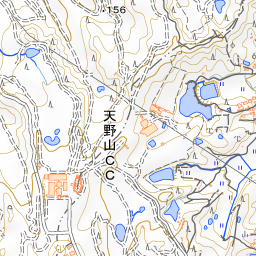


Spot location © OpenStreetMap contributors (ODbL)
Open in Google MapsGuides that include this spot (1)
Use asobot while you walk
- See where you are on the map and find spots nearby
- Listen to the guide's audio in course order, one after another (with subtitles)
- Walk to the next spot while following the map
Open on your phone
Scan to open this spot in asobot on your phone.