 ✨ AI Generated
Nakamise Shopping Street
Japanese: 仲見世商店街
Taito City, Tokyo
This information was written by AI and may contain mistakes. Please check official sources for opening hours, fees, and other details before you go.
Found a mistake? Let us know with “✏️ Something's wrong” on this spot's screen in asobot →
🎧 Audio guide(1:07)
In short
Nakamise Shopping Street is located on the Omotesando (main approach) of Senso-ji Temple and is one of the oldest shopping streets in Japan. Stretching for about 250 meters from Kaminarimon Gate to Hozomon Gate, vermilion-lacquered shops line both sides of the approach. From its arrangement of stalls in the Edo period, through an era of brick construction, it has reached its present form.
- Vermilion Shop Rows: The current reinforced concrete buildings were completed in 1925 and feature Momoyama-style vermilion paint. About 90 shops selling traditional crafts and snacks line the street.
- Shutter Murals: The shutters of all shops feature the "Asakusa Emaki" (picture scrolls), depicting the annual events of Asakusa. They can be seen from the evening onward.
- Illuminated Signs and Seasonal Decorations: Unified illuminated signboards and seasonal decorations stand out beautifully against the stone-paved pathway.
History and Highlights
Nakamise Shopping Street is located on the Omotesando of Senso-ji Temple and is one of the oldest shopping streets in Japan. Stretching for about 250 meters from Kaminarimon Gate to Hozomon Gate, vermilion-lacquered shops line both sides of the approach. It is also said that the name Nakamise came from "nakamise" (middle shops), as they were situated midway between the shops around present-day Kaminarimon-dori Avenue and those in front of the Kannondo (Main Hall).
Its beginnings date back to the Edo period. As worshipers increased, Senso-ji Temple granted local residents permission to open shops in exchange for imposing temple ground cleaning duties on them. Senso-ji Temple dates this period to around the second year of Jokyo (1685), while the shopping street dates it to the Genroku and Kyoho eras (1688–1735). Near Hozomon Gate, there were 20 mizuchaya (teahouses) commonly called "Nijukken Chaya" (Twenty Teahouses), where the kanban-musume (young women who served tea and drew in customers) were very popular. Some people kept drinking tea from morning until night, which was satirized in a senryu poem: "What a fool, upsetting his stomach at the teahouse."
In 1885, Tokyo Prefecture ordered the removal of all shops, and in December of the same year, new brick buildings were completed. This marked the birth of modern Nakamise. These buildings were destroyed in the 1923 Great Kanto Earthquake, and in 1925, it was reborn as the current reinforced concrete, vermilion-lacquered shopping street. Although it burned down leaving only the exterior framework during the Tokyo Air Raids in 1945, it was repaired after the war to become what it is today.
Viewing and Experiencing Highlights
- Vermilion Shop Rows: The buildings are painted in Momoyama-style vermilion. About 90 shops handling traditional crafts and light snacks line the approach.
- Shutter Murals: In 1989, under the guidance of Professor Hirayama Ikuo of Tokyo University of the Arts, the "Asakusa Emaki" depicting annual events of Asakusa was painted on the shutters of all shops. It can be viewed from the evening onward.
- Paved Pathway and Decorations: In 1817, to address the approach that became muddy with rain, a local religious association (ko) donated paving stones running from Kaminarimon Gate to the main hall, making it a comfortable shopping street even on rainy days. Today, unified illuminated signs and seasonal decorations stand out against the stone paving.
Walking Tips
Pass through Kaminarimon Gate and walk toward Hozomon Gate. During the day, proceed toward Senso-ji Temple while browsing the shops and selecting souvenirs. If you walk through again in the evening or later, you can see the "Asakusa Emaki" on the shutters. Highlights beyond Hozomon Gate are introduced on the Senso-ji Temple spot page. The Asakusa Culture Tourist Information Center is located about 180 meters to the south, Hoppy-dori Street is about 260 meters to the northwest, and Asakusa Hanayashiki is about 400 meters to the northwest.
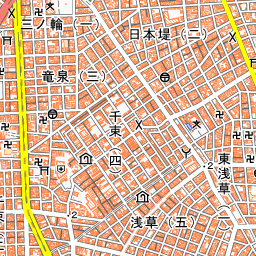


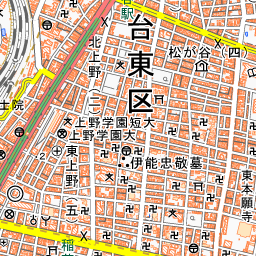

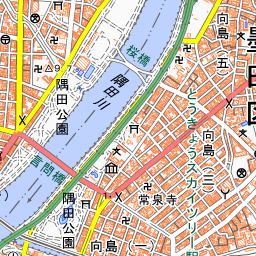
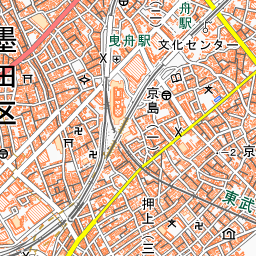


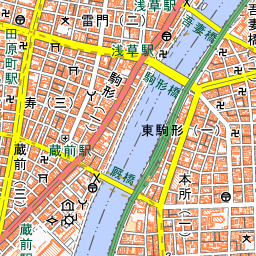
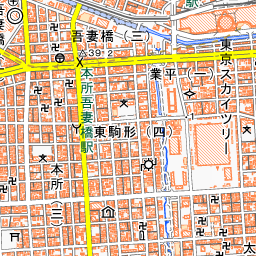
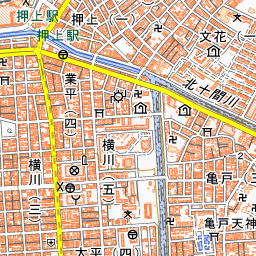
Spot location © OpenStreetMap contributors (ODbL)
Open in Google MapsGuides that include this spot (1)
Use asobot while you walk
- See where you are on the map and find spots nearby
- Listen to the guide's audio in course order, one after another (with subtitles)
- Walk to the next spot while following the map
Open on your phone
Scan to open this spot in asobot on your phone.