 ✨ AI Generated
Tenkawa Daibenzaiten-sha Shrine
Japanese: 天河大弁財天社
Tenkawa Village, Nara
This information was written by AI and may contain mistakes. Please check official sources for opening hours, fees, and other details before you go.
Found a mistake? Let us know with “✏️ Something's wrong” on this spot's screen in asobot →
🎧 Audio guide(1:05)
In short
Located in Tsubonouchi, Tenkawa Village, Tenkawa Daibenzaiten-sha Shrine is regarded as the head shrine among the Three Great Benzaiten Shrines of Japan and enshrines the goddess Benzaiten, the spirit of water. Benzaiten is also known as a deity of music and the performing arts, with Noh theater performed as an offering before the shrine every year. The shrine is considered an essential ascetic training ground for Omine practice, and Kobo Daishi Kukai is also said to have stayed here for secluded prayer.
- Isuzu: A unique sacred treasure hanging before the haiden (worship hall), featuring three spherical bells.
- Noh Masks and Costumes: Treasures that hold a place in the history of Noh are preserved here, including the "Akobujo" Noh mask donated by Kanze Juro Motomasa, the son of Zeami.
- Origin of the Name Tenkawa: The ancient name "Ame-no-Yasukawa-no-Miya" is said to be the origin of the village's name.
History and Highlights
Tenkawa Daibenzaiten-sha Shrine is a shrine located in Tsubonouchi, Tenkawa Village. It is considered the head shrine of Japan's Three Great Benzaiten Shrines, enshrining Benzaiten, the spirit of water. The enshrined deity, Ichikishimahime-no-Mikoto, is also worshipped as Benzaiten.
The shrine's origins date back to the period when En no Gyoja, regarded as the founder of Shugendo, opened Mt. Omine for ascetic practice. It is said to have begun when the deity was enshrined to protect Mt. Misen of the Omine mountains. Later, Emperor Tenmu established the shrine at its current location in Tsubonouchi. Its ancient name was "Ame-no-Yasukawa-no-Miya," which is said to be the origin of the village name "Tenkawa."
It is also handed down that Kobo Daishi Kukai secluded himself here for prayer. Because the shrine is seen as an essential practice ground for Omine asceticism, high-ranking monks and Shugendo practitioners have gathered here since ancient times. Following Kukai's period of seclusion, many people began visiting the shrine in conjunction with pilgrimages to Mt. Omine and Mt. Koya.
The enshrined goddess is also known as a deity of music and the performing arts, and Noh plays are dedicated annually before the gods. Thirty of its Noh masks are designated as Important Cultural Properties, and thirty pieces of Noh costumes are designated as prefectural cultural properties. Among them, the "Akobujo" Noh mask, dedicated in 1430 by Zeami's son Kanze Juro Motomasa, is regarded as the oldest work among jo (elderly man) masks.
Highlights for Viewing and Experiencing
- Syncretic Worship Style of Shinto and Buddhism: The deities enshrined here feature Benzaiten in the center, Kumano Gongen on the right, and Yoshino Gongen on the left. It preserves the form of shinbutsu-shugo (the syncretism of Shinto and Buddhism), worshipping kami and Buddhist deities together, to this day.
- Worship Hall and Isuzu: Hanging before the haiden (worship hall) is the "Isuzu," a unique sacred treasure handed down at the shrine since ancient times. Characterized by three spherical bells, it produces a clear, river-like resonant sound. Opposite the worship hall is a Noh stage, where kagura, Noh theater, and musical performances are offered.
- Giant Ginkgo and Grounds: On the west side of the shrine grounds are the main hall of Raigo-in Temple, said to be the shrine's jinguji (shrine-temple), and a giant ginkgo tree over 1,200 years old said to have been planted by Kukai.
Tips for Exploring
When traveling by train and bus, take the Nara Kotsu bus bound for Nakaiozumi from Shimoichiguchi Station on the Kintetsu Yoshino Line. After about an hour, you will arrive at the "Tenkawa Daibenzaiten-sha" bus stop, located right by the shrine.
Before the stone steps of the approach path stands the Gosha-den, and descending the stairs behind the worship hall leads immediately to the En no Gyoja Hall. About a 10-minute walk from the grounds is the Misogiden (purification hall). On the east side of the shrine lies the site of the Kuroki Gosho of the Southern Court, and 13 imperial decrees (rinji and ryoji) issued by the emperors and imperial princes of the Southern Court remain preserved in Tenkawa.
The shrine's inner sanctuary (okumiya) is enshrined on Mt. Misen. Mitarai Valley is located about 3.3 kilometers east-northeast, making it possible to visit both on the same trip.
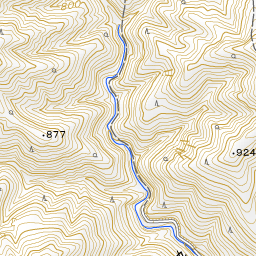
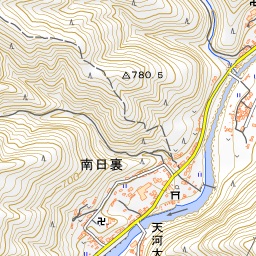
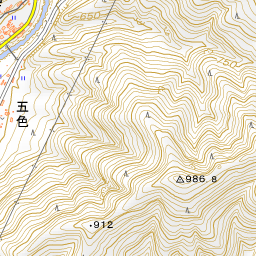


Spot location © OpenStreetMap contributors (ODbL)
Open in Google MapsGuides that include this spot (1)
Use asobot while you walk
- See where you are on the map and find spots nearby
- Listen to the guide's audio in course order, one after another (with subtitles)
- Walk to the next spot while following the map
Open on your phone
Scan to open this spot in asobot on your phone.