 ✨ AI Generated
Tokyo Metropolitan Art Museum
Japanese: 東京都美術館
Taito City, Tokyo
This information was written by AI and may contain mistakes. Please check official sources for opening hours, fees, and other details before you go.
Found a mistake? Let us know with “✏️ Something's wrong” on this spot's screen in asobot →
🎧 Audio guide(1:02)
In short
Tokyo Metropolitan Art Museum opened in 1926 as the "Tokyo Prefectural Art Museum," making it Japan's first public art museum. It was established thanks to Sato Keitaro, a coal merchant from Kitakyushu, who donated the entire construction fund. The current building was designed by Maekawa Kunio and opened in 1975. It hosts special exhibitions featuring masterworks from Japan and abroad, thematic exhibitions, and open-call exhibitions.
- Brick-colored exterior walls: Although the exterior walls look like brick, they are actually made of tiles. They were created using an "embedded tile" construction method, where tiles are cast together with concrete.
- A building descending underground: Due to height restrictions, nearly 60% of the total floor area was built underground. The entrance hall is located on the first basement floor (B1F).
- A line at the main entrance: A line formed during the oil crisis because additional concrete could not be poured in time. To the person in charge who apologized, Maekawa is said to have replied, "It looks as if I am gazing at the Alps."
History & Highlights
Tokyo Metropolitan Art Museum opened on May 1, 1926, as the "Tokyo Prefectural Art Museum." It was Japan's first public art museum. Sato Keitaro, a coal merchant from Kitakyushu, donated the entire construction fund of 1 million yen to the Tokyo prefectural government. This is equivalent to about 4 billion yen today. Known as the "Coal God," Sato followed the example of American industrialist Andrew Carnegie and used half of his entire fortune for the benefit of society.
The original building, designed by Okada Shin'ichiro, featured colonnades reminiscent of a temple and a grand staircase, earning it the reputation as a "temple of art." It was renamed to its current name with the implementation of the Tokyo metropolitan administrative system in 1943.
The current building opened in 1975. Its architect, Maekawa Kunio, assisted in designing The National Museum of Western Art and also designed the Tokyo Bunka Kaikan. Because the museum is located within a scenic zone in the park where building heights were restricted to 15 meters, nearly 60% of the total floor area was placed underground. Following renovation work, it reopened in April 2012, and it celebrated its 100th anniversary in 2026. Today, it hosts special exhibitions featuring masterworks from Japan and abroad, thematic exhibitions, and open-call exhibitions.
Viewing & Experience Points
- Brick-colored exterior walls: Although the exterior walls appear to be brick, they are actually tiles. Maekawa utilized an "embedded tile" technique, casting the tiles together with concrete. Looking closely reveals holes of various sizes created for this construction technique.
- Plaza and underground entrance: Three blocks surround a central plaza. The entrance hall is on the first basement floor (B1F). As you go down the front escalator, a heavy arch catches the eye. Its rough surface was chipped and carved by craftsmen using chisels. A single line remaining at the main entrance is a trace of the oil crisis, formed because additional concrete could not be poured in time. To the person in charge who apologized, Maekawa reportedly remarked, "It looks as if I am gazing at the Alps."
- Sato Keitaro Memorial Art Lounge: A lounge commemorating Sato's contributions, established during the 2012 renewal. The tables are shaped like "omusubi" (triangular rice balls), one of the motifs found in Maekawa's architecture.
Visitor Tips
It is a 7-minute walk from the Park Exit ticket gates of JR Ueno Station. Pass the plaza in front of the fountain and continue diagonally to the right, and the brick-colored building will come into view. The main gate lies at the end of the park path. Because the east gate has stairs, entering through the main gate is recommended. It is a 10-minute walk from Exit 7 of Tokyo Metro Ueno Station and from Keisei Ueno Station.
As sunset approaches, red, blue, yellow, and green walls stand out against the dusk. The Former Tokyo Music School Sogakudo is located about 100 meters to the north.
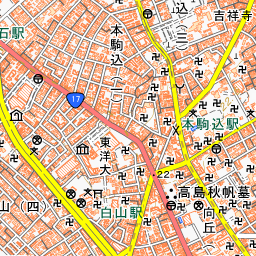

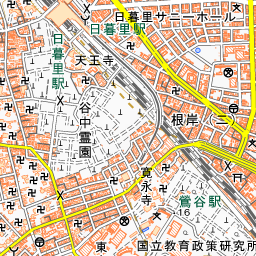
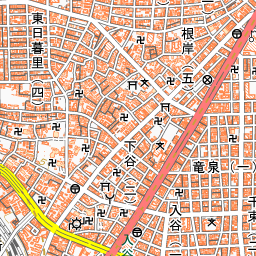
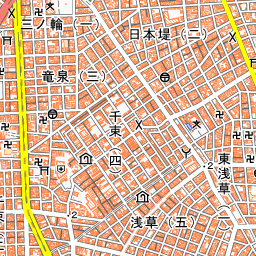

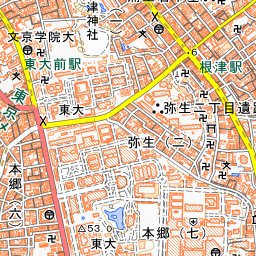

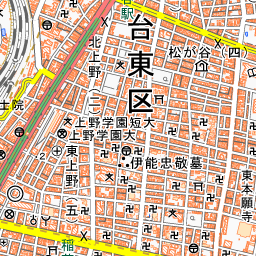

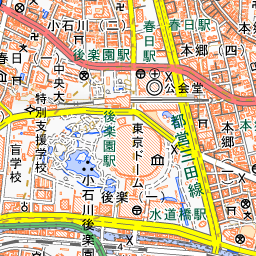
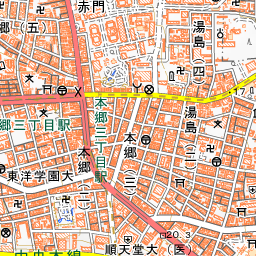


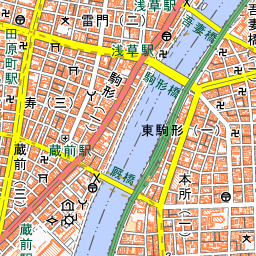
Spot location © OpenStreetMap contributors (ODbL)
Open in Google MapsGuides that include this spot (1)
Use asobot while you walk
- See where you are on the map and find spots nearby
- Listen to the guide's audio in course order, one after another (with subtitles)
- Walk to the next spot while following the map
Open on your phone
Scan to open this spot in asobot on your phone.