
Soji-ji Temple
Japanese: 総持寺
Ibaraki, Osaka
This information was written by AI and may contain mistakes. Please check official sources for opening hours, fees, and other details before you go.
Found a mistake? Let us know with “✏️ Something's wrong” on this spot's screen in asobot →
🎧 Audio guide(1:14)
In short
A temple of the Koyasan Shingon sect in Ibaraki City, and the 22nd stop on the Saigoku Kannon Pilgrimage. It was founded in 886 (Ninna 2) during the Heian period by the Chunagon (Middle Counselor) Fujiwara no Yamakage, and the legend of its founding is known as "the turtle's repayment of gratitude." Although the temple complex was lost to fire in warfare during the Sengoku period, it was rebuilt in 1603 (Keicho 8) under the orders of Toyotomi Hideyori, and the main hall and the other halls within the grounds are valuable as one of the few groups of early modern buildings in Osaka Prefecture.
- Kannon Riding a Turtle: The principal image, a hidden Thousand-Armed Kannon created during the Heian period, is known as the "Kannon riding a turtle" and is also referred to as a Kannon for child-rearing and for protection against fire and misfortune. The "Soji-ji Engi Emaki" (Illustrated Legends of Soji-ji Temple), which depicts the turtle's repayment of gratitude, remains today
- Yamakage-ryu Hocho-shiki: Yamakage is revered as the founder of the culinary knife arts, and every year on April 18, at the "Yamakage-ryu Hocho-shiki," chefs in formal attire skillfully slice fish using only a kitchen knife and manabashi chopsticks, without touching the fish with their hands
- Hocho-zuka and Kitchen Amulets: On the temple grounds is a hocho-zuka (knife mound), where disused kitchen knives are dedicated to pray for the improvement of culinary skills. Talismans to be enshrined in kitchens and kitchen amulets are also given
History and Highlights
Soji-ji Temple is a temple of the Koyasan Shingon sect located in Ibaraki City, and serves as the 22nd stop on the Saigoku Kannon Pilgrimage. It was founded in 886 (Ninna 2) during the Heian period by the Chunagon (Middle Counselor) Fujiwara no Yamakage. The legend of its founding is known as "the turtle's repayment of gratitude." While Yamakage's father, Takafusa, was traveling to Dazaifu with the young Yamakage, he traded his own clothing for a large turtle that hunters had caught and released it into the river. The following morning, when Yamakage fell into the river, the large turtle is said to have appeared carrying him on its back, saving his life. Following his father's wishes, Yamakage commissioned a statue of the Thousand-Armed Kannon riding a turtle and founded Soji-ji Temple. This anecdote is also recorded in works such as the Konjaku Monogatarishu.
During the Heian period, it became an imperial prayer temple for Emperor Ichijo, Emperor Go-Ichijo, Emperor Shirakawa, and Emperor Toba. In the Sengoku period, the temple grounds served as a fortress for Oda Nobunaga, and the temple complex was lost to fire during the Battle of Ibaraki. However, in 1603 (Keicho 8), it was rebuilt under the orders of Toyotomi Hideyori, with Katagiri Katsumoto serving as magistrate. During the Edo period, it developed as a place of prayer for the Tokugawa shogunal family. The main hall and various other halls within the grounds represent a rare and valuable group of early modern buildings in Osaka Prefecture.
Points for Appreciation and Experiences
- Kannon Riding a Turtle: The principal image, a hidden Thousand-Armed Kannon created during the Heian period, is known as the "Kannon riding a turtle" and is also referred to as a guardian Kannon for child-rearing and for protection against fire and misfortune. Two versions of the "Soji-ji Engi Emaki" (Illustrated Legends of Soji-ji Temple), which depict the turtle's repayment of gratitude, remain today: one painted by Kaiho Yusetsu and another from the Genroku era.
- Yamakage-ryu Hocho-shiki: Because Yamakage served meals to Buddhist sculptors for 1,000 days during the creation of the principal image, he is revered as the founder of the culinary knife arts. Every year on April 18, the "Yamakage-ryu Hocho-shiki" is held, during which chefs in formal attire of eboshi caps and hitatare robes skillfully slice fish using only a kitchen knife and manabashi (metal-tipped chopsticks), without ever touching the fish with their hands.
- Hocho-zuka and Kitchen Amulets: On the temple grounds is a hocho-zuka (knife mound), where disused kitchen knives are dedicated to pray for the improvement of culinary skills. Talismans to be displayed in kitchens and kitchen amulets are also distributed.
Tips for Strolling
The temple is about a 5-minute walk from both Sojiji Station on the Hankyu Kyoto Line and JR-Sojiji Station on the JR Kyoto Line. The Fuhi Kannon-do Hall within the grounds is also the sixth stop on the Kinki Juraku Kannon Pilgrimage for Warding Off Dementia. Yamakage, the founder, is also known for having founded Yoshida-jinja Shrine in Kyoto. If traveling along the Saigoku Kannon Pilgrimage, the next 23rd stop is Katsuo-ji Temple in Minoo City, which is approximately 14 kilometers away.
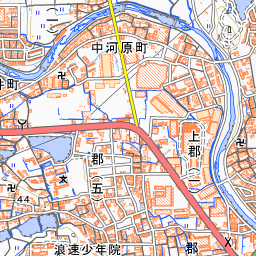
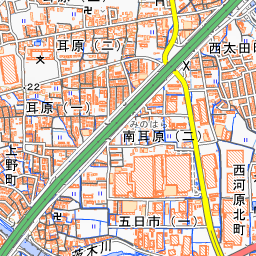
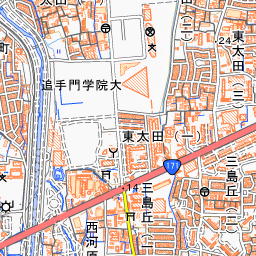
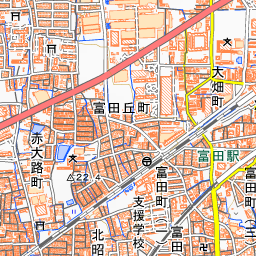
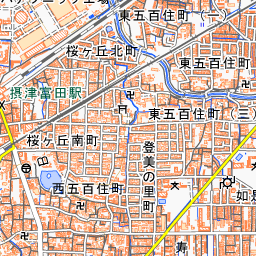
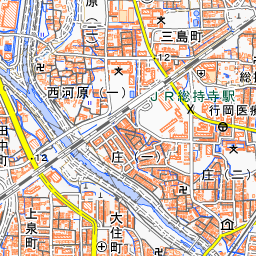
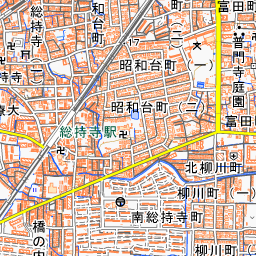
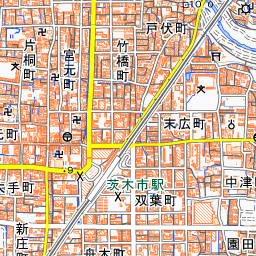
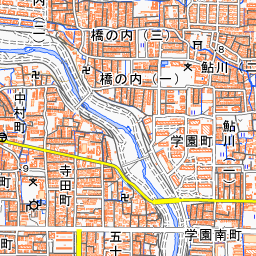
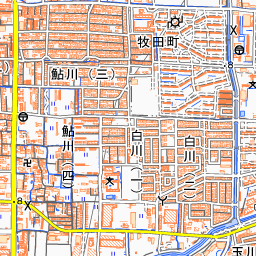
Spot location © OpenStreetMap contributors (ODbL)
Open in Google MapsGuides that include this spot (1)
Use asobot while you walk
- See where you are on the map and find spots nearby
- Listen to the guide's audio in course order, one after another (with subtitles)
- Walk to the next spot while following the map
Open on your phone
Scan to open this spot in asobot on your phone.