
Hirano-go
Japanese: 平野郷
Hirano Ward, Osaka
This information was written by AI and may contain mistakes. Please check official sources for opening hours, fees, and other details before you go.
Found a mistake? Let us know with “✏️ Something's wrong” on this spot's screen in asobot →
🎧 Audio guide(1:09)
In short
A town spreading around JR Hirano Station, said to be a settlement with the oldest history in Osaka. In the medieval period, it became a moated settlement (kango shuraku) enclosed by large moats and earthen ramparts, and self-governance was carried out by so-doshiyori (town elders), flourishing as an autonomous city alongside Sakai. Although it was burned down during the Summer Campaign of the Siege of Osaka, it made a remarkable recovery, and it still retains the town layout, machiya, and shrines and temples that convey the vestiges of a moated settlement.
- Remnants of the Moats: Although most of the moats enclosing the town have disappeared, a moat remains in its original form on the northeast side of the grounds of Kumata-jinja Shrine. At Akaruhimenomikoto-jinja Shrine, remnants of the moated settlement can also be seen in the earthen ramparts and Matsuyama Pond behind the shrine pavilion
- Jizo of the Thirteen Entrances: Jizo statues were placed at each of the 13 entrances and exits around the town. The Jizo of the Shanai-guchi entrance is now at Senko-ji Temple, but the other 12 Jizo statues still remain near the entrances and exits
- Machiya and Historic Temples: Many machiya remain. The main hall of Senko-ji Temple, which is considered the origin of the town, was reconstructed in 1661 (the first year of the Kanbun era), and the temple grounds also feature the "Jigoku-do" (Hell Hall)
History and Highlights
Hirano-go is a town spreading around JR Hirano Station, said to be a settlement with the oldest history in Osaka. Its beginnings are said to date back to when traditional townhouses (machiya) were built around the Yakushido hall erected at Senko-ji Temple by Prince Shotoku, and it was already flourishing as a commercial town by the beginning of the Heian period. The place name is thought to have originated from Sakanoue no Hirono, who developed this land and was a son of Sakanoue no Tamuramaro, with "Hirono" becoming corrupted into "Hirano."
Entering the medieval period, the town—measuring about 900 meters north to south and about 800 meters east to west—became a moated settlement (kango shuraku) enclosed by large moats and earthen ramparts, and self-governance was carried out by so-doshiyori (town elders). It flourished as an autonomous city alongside Sakai, and highways stretched out to various regions from the 13 entrances and exits established around the town. Because the moat was also connected to the Hirano River, boat traffic became possible, which is believed to have formed the foundation of the town's prosperity.
Although it was burned down during the Summer Campaign of the Siege of Osaka, it made a remarkable recovery and developed further during the Edo period as a distribution center for cotton. It was incorporated into Osaka City in 1925, and today it still retains the town layout, machiya, and shrines and temples that convey the vestiges of a moated settlement.
Highlights for Viewing and Experiencing
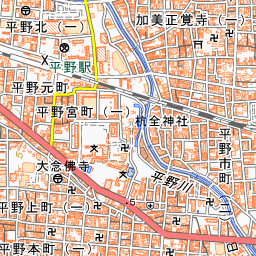
- Remnants of the Moats: Although most of the moats enclosing the town have disappeared, a moat remains in its original form on the northeast side of the grounds of Kumata-jinja Shrine at the northern edge of Hirano-go. At Akaruhimenomikoto-jinja Shrine, located west of Hirano Park, remnants of the moated settlement can also be seen in the earthen ramparts and Matsuyama Pond behind the shrine pavilion.
- Jizo of the Thirteen Entrances: Jizo statues were placed at each of the 13 entrances and exits. The Jizo of the Shanai-guchi entrance is now at Senko-ji Temple, but the other 12 Jizo statues still remain near the entrances and exits. Walking from the Jizo at one entrance to the Jizo at another through the intricate town can take about 15 minutes, allowing you to experience the actual size of the town.
- Machiya and Historic Temples: Many machiya remain on the west side of Akaruhimenomikoto-jinja Shrine and in the northeastern part of the town. The main hall of Senko-ji Temple, which is considered the origin of the town, was reconstructed in 1661 (the first year of the Kanbun era). The temple grounds also feature the "Jigoku-do" (Hell Hall).
Strolling Tips
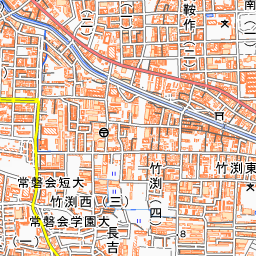
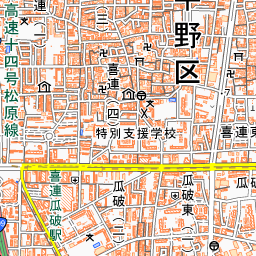
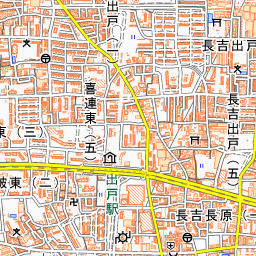
JR Hirano Station is about 5 minutes from Tennoji Station via the JR Yamatoji Line. The area around the station corresponds to the northern edge of Hirano-go; to the southeast of the station is Kumata-jinja Shrine, which can be called the main guardian shrine of Hirano-go, and to the northwest of the district is Dainenbutsu-ji Temple, the head temple of the Yuzu Nenbutsu sect. When walking around the town, the maps displayed at the Jizo halls of the entrances and exits showing the extent of Hirano-go in those days can serve as helpful guides.

Guides that include this spot (1)
Use asobot while you walk
- See where you are on the map and find spots nearby
- Listen to the guide's audio in course order, one after another (with subtitles)
- Walk to the next spot while following the map
Open on your phone
Scan to open this spot in asobot on your phone.