 ✨ AI Generated
Gokoku-ji Temple
Japanese: 護国寺
Bunkyo City, Tokyo
This information was written by AI and may contain mistakes. Please check official sources for opening hours, fees, and other details before you go.
Found a mistake? Let us know with “✏️ Something's wrong” on this spot's screen in asobot →
🎧 Audio guide(1:10)
In short
Gokoku-ji Temple is a grand head temple (daihonzan) of the Buzan School of Shingon Buddhism, located in Otsuka, Bunkyo Ward. It was founded in 1681 by the 5th Tokugawa Shogun, Tokugawa Tsunayoshi, following the wishes of his birth mother, Keishoin. Despite being located in the heart of Tokyo, which suffered earthquake and war damage, its Genroku-era Main Hall remains unaltered, conveying the traces of Edo to this day.
- Main Hall (Kannon-do Hall): A grand structure completed in 1697, designated as an Important Cultural Property of Japan.
- Gekko-den Hall: A Shoin-style building from the Momoyama period that was relocated in 1928 from a sub-temple guest hall of Mii-dera Temple; it is also an Important Cultural Property.
- Graves of Meiji Figures: The resting place of figures such as Sanjo Sanetomi, Yamagata Aritomo, and Okuma Shigenobu.
History and Highlights
Gokoku-ji Temple is a grand head temple (daihonzan) of the Buzan School of Shingon Buddhism, located in Otsuka, Bunkyo Ward. In 1681, it was founded by the 5th Shogun Tokugawa Tsunayoshi at the wish of his birth mother, Keishoin. He invited Ryoken from Daisho Gokoku-ji Temple in Kozuke Province to serve as the founding priest, granted land that was formerly the shogunate's Takada medicinal herb garden, and built the halls. The principal image is a statue of Nyoirin Kanzeon Bosatsu made of natural amber, which Keishoin held dear and which later became a hidden Buddhist image (hibutsu).
Subsequently, Gokoku-ji Temple became a prayer temple to pray for the enduring military fortunes of the Tokugawa Shogun family. Although many halls were lost in fires in 1883 and 1926, the Main Hall (Kannon-do Hall) has maintained its unchanged appearance since the Genroku era. Even while located in central Tokyo, which suffered two major disasters—an earthquake and war damage—it preserves the atmosphere of Edo today.
From the Meiji period onward, when ties with the Tokugawa family were severed, graves for ordinary people were established on the temple grounds. Influential figures of the Meiji period, such as Sanjo Sanetomi, Yamagata Aritomo, and Okuma Shigenobu, rest here.
Sights and Experiences
- Main Hall (Kannon-do Hall): In the New Year of 1697, the shogunate issued an order for its new construction, and it was completed in August after a construction period of just over half a year. Bringing together the finest architectural and craft arts of the Genroku era, this large building is designated as an Important Cultural Property of Japan. Inside the hall, visitors can see items such as a plaque reading "Shitchi-in" written in Tsunayoshi's calligraphy and a palanquin said to have been used by Keishoin.
- Gekko-den Hall: This building was the guest hall of Nikko-in, a sub-temple of Mii-dera Temple in Otsu, and was relocated to its current site in 1928. It is a valuable structure that conveys the Shoin style of the Momoyama period and is designated as a national Important Cultural Property. Surrounding teahouses were arranged from the Taisho to the Showa eras, playing a major role in the flourishing of tea ceremony culture in Tokyo.
- Niomon Gate and Furo-mon Gate: The front gate, the Niomon Gate, is a vermilion-lacquered (ninuri) eight-legged gate flanked by Kongo Rikishi statues on both sides of the front. The Furo-mon Gate, situated between the Niomon Gate and the Main Hall, was built in 1938 and designed based on the gate of Kurama-dera Temple in Kyoto. The characters on the "Furo" plaque were written by Tokugawa Iesato.
Walking Tips
It is about a 1-minute walk from Gokokuji Station on the Tokyo Metro Yurakucho Line. Passing through the Niomon Gate and climbing the steps ahead, you will find the Main Hall beyond the Furo-mon Gate. On the grounds, you can also see Otowa Fuji, a Fuji mound (Fujizuka) constructed in 1817. Otowa-dori Avenue leading toward Edogawabashi was once the Onarimichi procession route taken by Tsunayoshi when accompanying Keishoin on her visits. About 900 meters to the south lies the Eisei Bunko Museum, associated with the Hosokawa family.


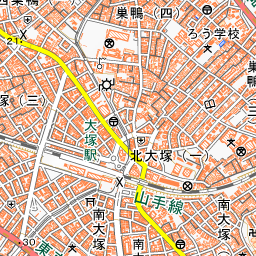

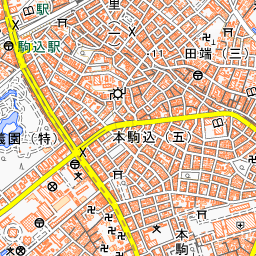
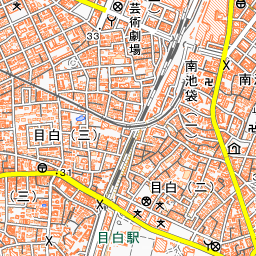
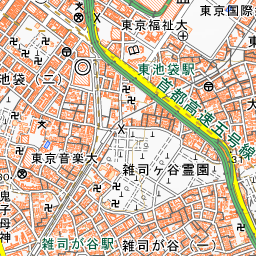


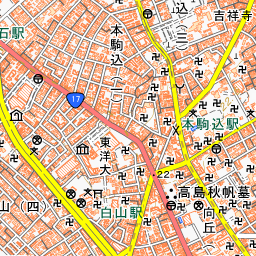
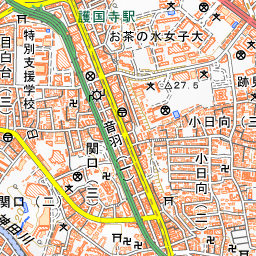
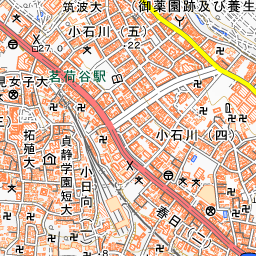

Spot location © OpenStreetMap contributors (ODbL)
Open in Google MapsGuides that include this spot (1)
Use asobot while you walk
- See where you are on the map and find spots nearby
- Listen to the guide's audio in course order, one after another (with subtitles)
- Walk to the next spot while following the map
Open on your phone
Scan to open this spot in asobot on your phone.