
Shinshoji Temple
Japanese: 神勝寺
Fukuyama, Hiroshima
This information was written by AI and may contain mistakes. Please check official sources for opening hours, fees, and other details before you go.
Found a mistake? Let us know with “✏️ Something's wrong” on this spot's screen in asobot →
🎧 Audio guide(1:04)
In short
Shinshoji Temple is a temple belonging to the Kennin-ji branch of the Rinzai sect, nestled in the mountains of Numakuma-cho, Fukuyama City, and its expansive grounds are open to the public as the "Shinshoji Zen Museum and Gardens." It was built in 1965 (Showa 40) by Kambara Hideo, who managed a local shipbuilding company, as a place to hold memorial services for those who lost their lives in maritime accidents.
- Kohtei: A boat-shaped art pavilion created by SANDWICH, led by sculptor Nawa Kohei; visitors view a work in its darkened interior in timed sessions
- Zen Paintings and Calligraphy by Hakuin: The temple houses over 200 works of Zen paintings and calligraphy by the Edo-period Zen monk Hakuin Ekaku, displayed through rotating exhibitions at "Sogondo"
- Mumyoin and Karesansui (Dry Landscape Gardens): In front of the main hall, Mumyoin, lie three dry landscape gardens created by landscape architect Nakane Kinsaku
History and Highlights
Shinshoji Temple is a temple belonging to the Kennin-ji branch of the Rinzai sect, nestled in the mountains of Numakuma-cho, Fukuyama City. Although it looks like an ancient temple due to its rows of historic-style buildings, it was actually built in 1965. Kambara Hideo, who managed a local shipbuilding company, founded it as a place to hold memorial services for those who lost their lives in maritime accidents. While it serves as a temple, its expansive grounds are also open to the public as the "Shinshoji Zen Museum and Gardens," offering a place to experience Zen culture.
Buildings from different eras are dotted throughout the grounds. The Somon (main gate), built of zelkova wood, dates from the Edo period; originally the gate of the former Kayanomiya residence within the Kyoto Imperial Gyoen, it was relocated here in 1967, shortly after the temple was established. Passing through the gate reveals a chisen kaiyushiki (pond strolling style) garden designed by Nakane Garden Research Institute, where visitors can walk around a pond. The temple office building, "Shodo," designed by architect Fujimori Terunobu, is another eye-catching structure.
Viewing and Experience Points
- Kohtei: A boat-shaped art pavilion created by SANDWICH, led by sculptor Nawa Kohei. It appears to float above a garden paved with stones, and visitors enter its darkened interior in timed sessions to view a work in which they gaze at the open sea and the faint light among the waves. The ship motif also echoes the temple's origin, which began with memorial services for maritime accidents.
- Zen Paintings and Calligraphy by Hakuin: The temple houses over 200 works of Zen paintings and calligraphy by the Edo-period Zen monk Hakuin Ekaku. These are displayed through rotating exhibitions at "Sogondo," located next to the main hall, Mumyoin.
- Mumyoin and Karesansui (Dry Landscape Gardens): Mumyoin is the main hall located at the deepest part of the grounds, atop a long flight of stone stairs. It was built in 1977. In front of it lie three dry landscape gardens created by landscape architect Nakane Kinsaku, offering a space to enjoy a quiet moment of contemplation.
Walking Tips
The grounds are spacious with slopes and stone steps, so exploring at a relaxed pace in comfortable walking shoes is recommended. Since entry to Kohtei is conducted in timed sessions, checking the admission times upon arrival will make it easier to plan your route together with the gardens and buildings. Along the coast in the same Numakuma-cho area, there is also Abuto Kannon, which stands on a cape.
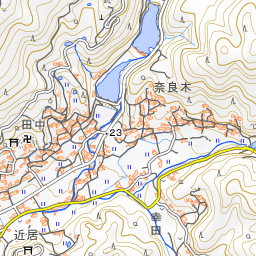
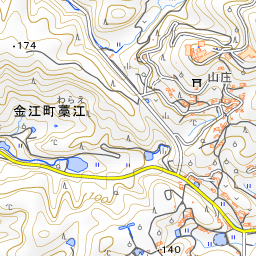
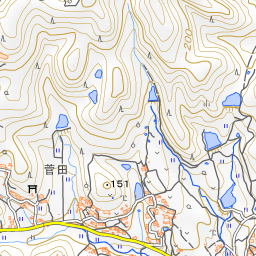
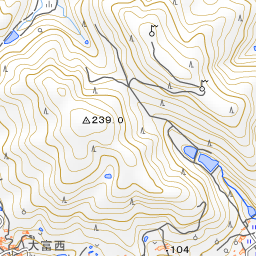
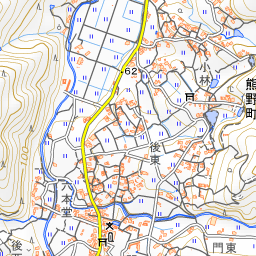


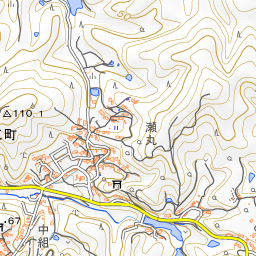
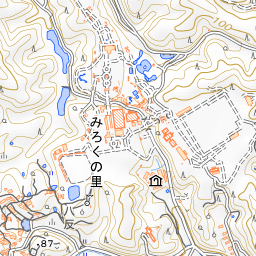
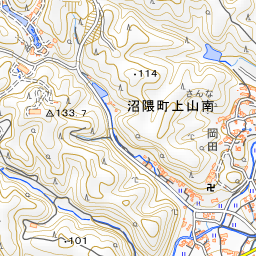
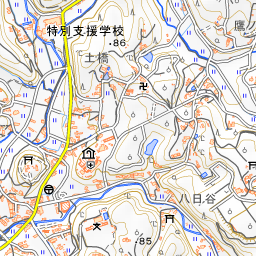
Spot location © OpenStreetMap contributors (ODbL)
Open in Google MapsGuides that include this spot (1)
Use asobot while you walk
- See where you are on the map and find spots nearby
- Listen to the guide's audio in course order, one after another (with subtitles)
- Walk to the next spot while following the map
Open on your phone
Scan to open this spot in asobot on your phone.