 ✨ AI Generated
Shinjuku Suehirotei
Japanese: 新宿末廣亭
Shinjuku City, Tokyo
This information was written by AI and may contain mistakes. Please check official sources for opening hours, fees, and other details before you go.
Found a mistake? Let us know with “✏️ Something's wrong” on this spot's screen in asobot →
🎧 Audio guide(1:04)
In short
Shinjuku Suehirotei is a yose (traditional vaudeville theater) located in Shinjuku 3-chome. It is one of only four remaining permanent rakugo theaters in Tokyo, and its building, constructed in 1946 (Showa 21), is the only wooden structure among Tokyo's permanent theaters. Preserving the atmosphere of an Edo-period yose, the building is designated as a Local Cultural Property of Shinjuku City.
- Signboards and Lanterns in Yose-moji Script: Signboards displaying the performers' names in traditional yose-moji calligraphy and the glow of paper lanterns convey a rich sense of atmosphere.
- Rakugo and Variety Acts: About two-thirds of the dozen or so acts per program are rakugo (comic storytelling), accompanied by various "iromono" (variety acts) such as manzai (stand-up comedy), magic, acrobatics, and popular folk songs.
- Performances Changed Every 10 Days: The performers change every 10 days, with the Rakugo Kyokai and the Rakugo Geijutsu Kyokai taking turns to perform.
History and Highlights
Shinjuku Suehirotei is a yose located in Shinjuku 3-chome. It is one of four permanent rakugo theaters in Tokyo, the other three being the Suzumoto Engeijo in Ueno, Asakusa Engei Hall, and the Ikebukuro Engeijo.
Its history began in 1897 (Meiji 30) when it was founded as Horietei. In 1910 (Meiji 43), Suehirotei Seifu, a rokyoku (narrative singing) performer from Nagoya, purchased it, and it became a rokyoku venue called Suehirotei. After being destroyed in the Great Shinjuku Fire of 1921 (Taisho 10), it moved to its current location. In 1932 (Showa 7), it became a permanent rakugo theater.
The theater was destroyed by fire during the air raids of World War II. In March 1946 (Showa 21), Kitamura Gintaro, who ran a construction business, purchased the burned original plot and opened the theater. That structure is the present building. While other yose theaters have increasingly been replaced by modern buildings, it remains the only wooden structure among Tokyo's permanent venues. Preserving the atmosphere of an Edo-period yose, it was designated as a Local Cultural Property of Shinjuku City in 2011 (Heisei 23). The theater has a total of 313 seats across the first and second floors.
Viewing and Experience Tips
- Signboards and Lanterns in Yose-moji Script: The signboards featuring performers' names written in yose-moji and the soft light of the lanterns are full of traditional charm. Before stepping inside, take a moment to admire the wooden building from the outside.
- Rakugo and Variety Acts: Shows are divided into matinee (day) and evening sessions. About two-thirds of the dozen or so acts in each session are rakugo. The rest feature a variety of iromono acts, including manzai, magic, acrobatics, and popular folk songs. In addition to standard chair seating, there are traditional sajiki-seki (tatami-mat box seats).
- Kamiseki, Nakaseki, and Shimoseki: The lineup of performers changes every 10 days. The 1st to the 10th of each month is called "kamiseki," the 11th to the 20th is "nakaseki," and the 21st to the 30th is "shimoseki." The Rakugo Geijutsu Kyokai and the Rakugo Kyokai alternate in taking charge of these 10-day slots.
Walking Tips
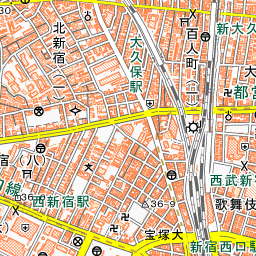
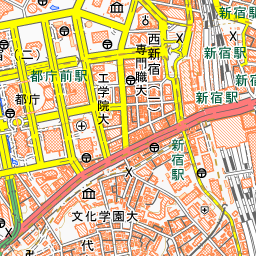
The nearest station is Shinjuku-sanchome Station, and the theater is just a short walk away. Turning into Suehiro-dori Street from Shinjuku-dori Avenue, you will soon see Suehirotei. The inside of the building is not open to the public except during performances. On the 31st of months with 31 days (except December) and on December 29, a special performance program called "Yoichikai" is held. Hanazono-jinja Shrine is approximately 240 meters to the north. Shinjuku Gyoen National Garden is approximately 760 meters to the south-southeast.





Use asobot while you walk
- See where you are on the map and find spots nearby
- Listen to the guide's audio in course order, one after another (with subtitles)
- Walk to the next spot while following the map
Open on your phone
Scan to open this spot in asobot on your phone.