 ✨ AI Generated
Katsushika Shibamata Tora-san Museum
Japanese: 葛飾柴又寅さん記念館
Katsushika City, Tokyo
This information was written by AI and may contain mistakes. Please check official sources for opening hours, fees, and other details before you go.
Found a mistake? Let us know with “✏️ Something's wrong” on this spot's screen in asobot →
🎧 Audio guide(1:02)
In short
The Katsushika Shibamata Tora-san Museum is dedicated to the movie series "Otoko wa Tsurai yo" (It's Tough Being a Man). Opened in 1997, it is built directly into a super levee, with Shibamata Park located on its rooftop. The same building also houses the Yamada Yoji Museum, named after the director of the film series.
- Actual Movie Sets: The authentic set of "Kurumaya," the dango (sweet dumpling) shop in Shibamata used for filming, was relocated here from the Shochiku Ofuna Studio.
- Showa-Era Shibamata and Railway Journeys: Features a diorama of Taishakuten Sando Approach, a replica passenger car of the Taishaku Jinsha Railway (human-powered railway), and a replica passenger carriage of a local train.
- Yamada Yoji Museum: Introduces the filmmaking and works of series director Yamada Yoji.
History and Highlights
The Katsushika Shibamata Tora-san Museum is dedicated to the film series "Otoko wa Tsurai yo," which is set in Shibamata. It opened in 1997. It is a rare facility integrated with a super levee; the museum itself is located beneath Shibamata Park, while the park extends across the rooftop.
The film series begins when the protagonist, Kuruma Torajiro—affectionately known as "Tora-san"—who ran away from home at the age of 16, returns to the dango shop "Kurumaya" in Shibamata for the first time in 20 years. The museum's honorary director is filmmaker Yamada Yoji, who directed 48 of the total 50 films and wrote the screenplays.
Inside, visitors will find the actual film set of "Kurumaya" that was used during filming. Relocated from the Ofuna Studio, its living room area allows you to watch famous scenes shot right on this set. Up through the 39th movie, this shop was named "Toraya."
The same building also contains the Yamada Yoji Museum. Originally housed in a separate building, it was later moved into the same structure as the memorial museum. It exhibits dioramas of Shochiku Ofuna Studio, which served as the foundation for Director Yamada's filmmaking, alongside cameras, lighting, sound recording, and editing equipment. In an atmosphere reminiscent of an old-fashioned movie theater, you can also enjoy preview trailers for all of Director Yamada's works.
Highlights for Visitors
- The "Kurumaya" Set and Asahi Printing: Looking at the living room naturally brings to mind the banter and conversations between Tora-san and his family. The museum also recreates the "Asahi Printing" shop run by the character President Tako, featuring real letterpress printing machinery.
- Taishakuten Sando Approach in the 1950s–1960s (Showa 30s): A detailed corner recreates the streetscapes of Taishakuten Sando Approach during the Showa 30s using forced perspective. There is also a playful search activity to spot Tora-san. A moving diorama accompanied by narration from his sister, Sakura, retraces the story up to Tora-san's return to Shibamata.
- Connecting Shibamata and Travel Destinations by Rail: A passenger car of the Taishaku Jinsha Railway has been recreated, allowing visitors to climb aboard and take commemorative photos. There is also a local train carriage with facing seats, where the windows project scenery of quintessential Japanese landscapes from across the country featured in the films. It reminds visitors of how Tora-san's hometown of Shibamata and his various travel destinations were tied together by railway lines.
Tips for Exploring
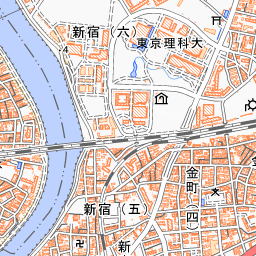
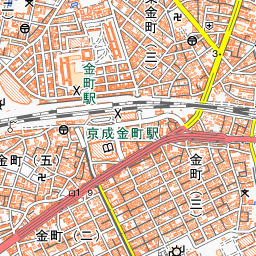
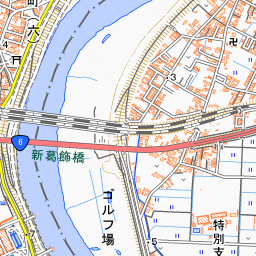
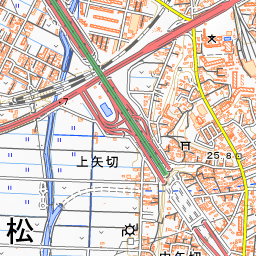
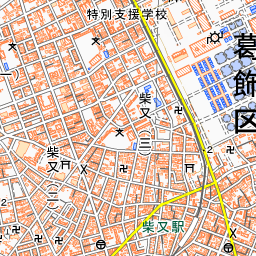
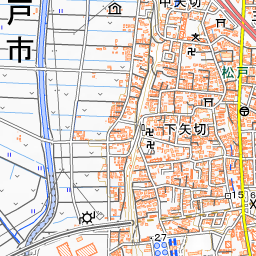
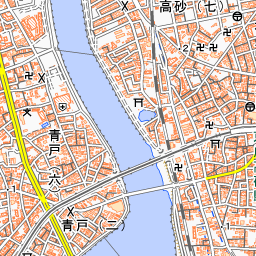
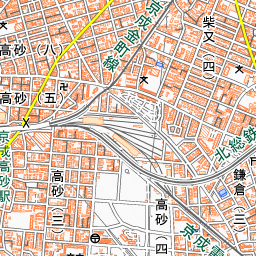
The museum is about an 8-minute walk from Keisei Shibamata Station. It is located inside Shibamata Park, near the Edo River.
Even for those who have never seen "Otoko wa Tsurai yo," the museum's charm lies in letting visitors experience the atmosphere of the Showa era. The interior displays are renovated once every three years.
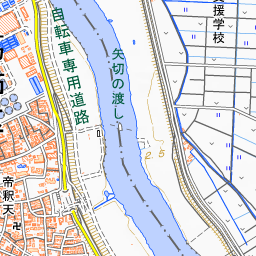
After visiting, you can walk about 110 meters north-northwest to Yamamototei, or about 210 meters northwest to Shibamata Taishakuten Temple. Walking about 320 meters northeast brings you to the Yagiri Ferry on the Edo River. Along the way from the station to the museum, you will also pass through Taishakuten Sando Approach.
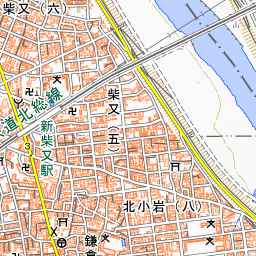


Spot location © OpenStreetMap contributors (ODbL)
Open in Google MapsGuides that include this spot (1)
Use asobot while you walk
- See where you are on the map and find spots nearby
- Listen to the guide's audio in course order, one after another (with subtitles)
- Walk to the next spot while following the map
Open on your phone
Scan to open this spot in asobot on your phone.