 ✨ AI Generated
Nanshu-ji Temple
Japanese: 南宗寺
Sakai Ward, Sakai, Osaka
This information was written by AI and may contain mistakes. Please check official sources for opening hours, fees, and other details before you go.
Found a mistake? Let us know with “✏️ Something's wrong” on this spot's screen in asobot →
🎧 Audio guide(1:12)
In short
A temple belonging to the Daitoku-ji school of the Rinzai sect, founded in 1557 (Koji 3) by the Sengoku-period warlord Miyoshi Nagayoshi, who invited Dairin Soto as the founding priest to pray for the soul of his father, Motonaga. The temple had close ties with the tea masters of Sakai, and figures such as Sen no Rikyu, who perfected the tea ceremony, and Takeno Joo are said to have trained here. The Butsuden (Buddha hall), the Sanmon gate named Kanromon Gate, and the Karamon gate are nationally designated Important Cultural Properties.
- Nationally Designated Place of Scenic Beauty Dry Landscape Garden: This karesansui (dry landscape) garden was created as the south garden of the Hojo (abbot's quarters), and its construction is believed to date to the early Edo period. It is traditionally said to have been created by Furuta Oribe
- The Dragon of the Butsuden: An "Eight-Direction Glaring Dragon" (Happo Nirami Ryu) is painted on the ceiling of the Butsuden. The Butsuden is the only Buddha hall building in Osaka Prefecture constructed using the architectural techniques of the Zen sect
- The Jisso-an Teahouse and Memorial Stupas: The Jisso-an Teahouse, a two-tatami-plus-daime sized teahouse favored by Rikyu, has been reconstructed. On the temple grounds are the memorial stupas of Takeno Joo and Sen no Rikyu, as well as those of the Sen family line
History and Highlights
Nanshu-ji Temple is a temple belonging to the Daitoku-ji school of the Rinzai sect. It was founded in 1557 by the Sengoku-period warlord Miyoshi Nagayoshi, who invited Dairin Soto as the founding priest to pray for the soul of his father, Motonaga.
After burning down in the Summer Siege of Osaka in 1615, the temple grounds were moved to its current location, and it was rebuilt by Takuan Soho and others. It was rebuilt in the present-day Minami-hatagocho in 1617.
The temple had close ties with the tea masters of Sakai, and figures such as Sen no Rikyu, who perfected the tea ceremony, and Takeno Joo are said to have trained here.
The Butsuden (Buddha hall) built in 1653, the Sanmon gate named Kanromon Gate built in 1647, and the Karamon gate built in the early Edo period are nationally designated Important Cultural Properties. The Butsuden is the only Buddha hall building in Osaka Prefecture constructed using the architectural techniques of the Zen sect.
Viewing and Experience Highlights
- Nationally Designated Place of Scenic Beauty Dry Landscape Garden: This karesansui (dry landscape) garden was created as the south garden of the Hojo (abbot's quarters), and its construction is believed to date to the early Edo period. White sand is spread broadly in front, and a dry waterfall is arranged using the slightly elevated terrain, from which a dry stream represented by small stones flows toward the right. It is traditionally said to have been created by Furuta Oribe.
- The Dragon of the Butsuden and the Sanmon Gate: An "Eight-Direction Glaring Dragon" (Happo Nirami Ryu) is painted on the ceiling of the Butsuden. The Sanmon is a two-story romon (tower gate) surrounded by a railed veranda on the upper level, displaying the Zen architectural technique of arranging rafters like an open fan.
- The Jisso-an Teahouse and Memorial Stupas: The Jisso-an Teahouse, a two-tatami-plus-daime sized teahouse favored by Rikyu, has been reconstructed. On the temple grounds are the memorial stupas of Takeno Joo and Sen no Rikyu, as well as those of the Sen family line.
Walking Tips
Within the temple grounds, there is also a grave said to be that of Tokugawa Ieyasu. A legend claims that Ieyasu fell in battle during the Summer Siege of Osaka, and it is also said that his burial place is Nanshu-ji Temple.
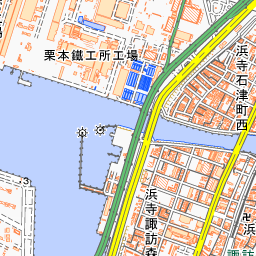
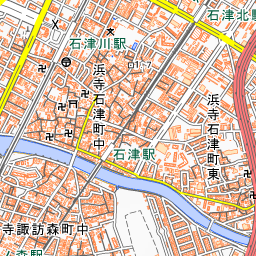
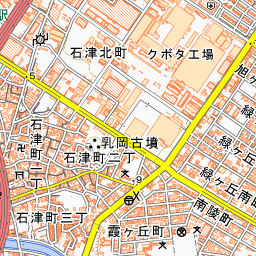
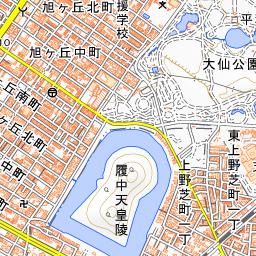
It is about a 5-minute walk from Goryomae Station on the Hankai Line. About 780 meters to the north are the Sen no Rikyu Residence Site and the Sakai Plaza of Rikyu and Akiko, and about 1 kilometer to the northeast is Aguchi-jinja Shrine.


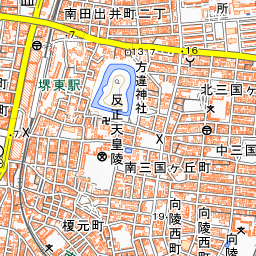
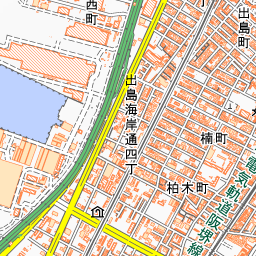
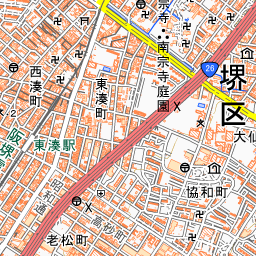
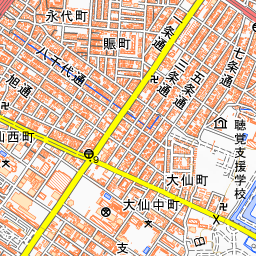
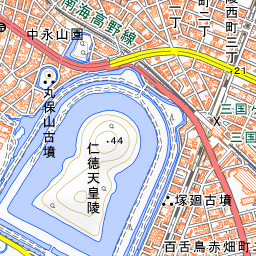
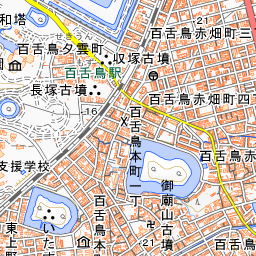
Spot location © OpenStreetMap contributors (ODbL)
Open in Google MapsGuides that include this spot (1)
Use asobot while you walk
- See where you are on the map and find spots nearby
- Listen to the guide's audio in course order, one after another (with subtitles)
- Walk to the next spot while following the map
Open on your phone
Scan to open this spot in asobot on your phone.