 ✨ AI Generated
Gokonomiya-jinja Shrine
Japanese: 御香宮神社
Fushimi Ward, Kyoto
This information was written by AI and may contain mistakes. Please check official sources for opening hours, fees, and other details before you go.
Found a mistake? Let us know with “✏️ Something's wrong” on this spot's screen in asobot →
🎧 Audio guide(1:06)
In short
Gokonomiya-jinja Shrine, affectionately known as "Gokon-san," is the guardian shrine of the former Fushimi town area. Empress Jingu is enshrined as the primary deity, and it is worshipped as a shrine for safe childbirth and child rearing. According to the shrine's origin records, it is said that fragrant water sprang up from the grounds in 862 (Jogan 4), and that Emperor Seiwa bestowed upon it the name "Gokonomiya."
- Main Hall: The main hall, a large gokensha nagare-zukuri structure built under the orders of Tokugawa Ieyasu, is an Important Cultural Property of Japan. Through restoration, its vivid polychrome has been brought back after approximately 390 years
- Front Gate: A yakuimon style gate relocated from the main front gate of Fushimi Castle, and an Important Cultural Property of Japan. Carved into the kaerumata on the front is "The Twenty-four Filial Exemplars," Chinese stories of filial piety
- Gokosui and Rock Garden: There is "Gokosui," one of the Seven Famous Waters of Fushimi and selected among the Top 100 Famous Waters, as well as a crane-and-turtle dry landscape garden that Kobori Enshu created at the former Fushimi Magistrate's Office and that was relocated here after World War II
History and Highlights
Gokonomiya-jinja Shrine, affectionately known by locals as "Gokon-san," is the guardian shrine of the former Fushimi town area. Empress Jingu is enshrined as the primary deity, alongside Emperor Chuai, Emperor Ojin, and six other deities. It is worshipped as a shrine for safe childbirth and child rearing. Although the exact date of its founding is unknown, according to the shrine's origin records, fragrant water sprang up from the shrine grounds on September 9 in the 4th year of the Jogan era (862), and Emperor Seiwa bestowed upon it the name "Gokonomiya" (Palace of Scented Fragrance).
In 1590, Toyotomi Hideyoshi prayed here for victory in battle. In 1594, when constructing Fushimi Castle, he relocated the shrine to protect the castle's kimon (northeastern direction, traditionally considered unlucky). In 1605, Tokugawa Ieyasu returned the shrine grounds to its original location and built the main hall. In 1622, prior to the abandonment of Fushimi Castle, Tokugawa Yorifusa, the first head of the Mito Tokugawa family, received the castle's main front gate (otemon) and donated it to the shrine as its front gate. During the Battle of Toba-Fushimi in 1868, it served as an encampment for the Satsuma Domain forces of the new government military, yet was spared from the fires of war.
Highlights of Appreciation and Experience
- Main Hall and Worship Hall: Built by Itakura Katsushige, the Kyoto Shoshidai (Kyoto deputy), who served as construction commissioner under the orders of Ieyasu, the main hall (honden) is a large gokensha nagare-zukuri (five-bay flowing style) structure. The carvings on the kaerumata (frog-leg struts) and kibana (timber beam ends) are decorated in vivid polychrome, and the building was designated an Important Cultural Property of Japan in 1985. Through restoration work that began in 1990, the vibrant colors were brought back after approximately 390 years. The worship hall (haiden) was donated in 1625 by Tokugawa Yorinobu, the first head of the Kishu Tokugawa family, and is a Designated Cultural Property of Kyoto Prefecture.
- Front Gate: A yakuimon style gate relocated from the main front gate of Fushimi Castle, it was designated an Important Cultural Property of Japan in 1906. Carved into the kaerumata on the front is a scene from the Chinese classic of filial piety, "The Twenty-four Filial Exemplars."
- Gokosui and Rock Garden: "Gokosui" (fragrant water), the origin of the shrine's name, is one of the Seven Famous Waters of Fushimi and was selected among the Top 100 Famous Waters by the Environment Agency in 1985. Having dried up in the Meiji period, it was restored in 1982. The garden of the shrine office is a crane-and-turtle dry landscape garden (karesansui) created by Kobori Enshu at the former Fushimi Magistrate's Office in the early Edo period, which was relocated here after World War II.
Walking Tips
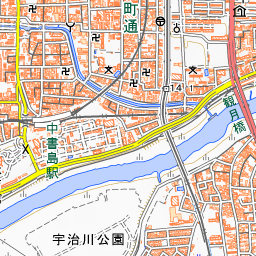
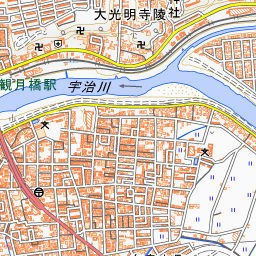
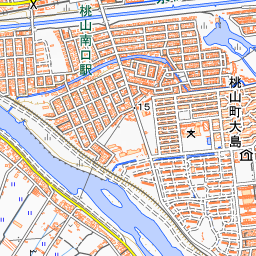
It is a 4-minute walk from Momoyama-Goryo-mae Station on the Kintetsu Railway, and a 6-minute walk from Fushimi-Momoyama Station on the Keihan Railway. Walking about 650 meters to the west leads to Fushimi Sakagura Koji, and around 800 meters to the southwest brings you to the brewery district featuring Teradaya Inn and Gekkeikan Okura Sake Museum. About 850 meters to the east is Nogi-jinja Shrine, further east on the hill of Momoyama lies the Fushimi Momoyama Imperial Mausoleum of Emperor Meiji, and to the northeast stands Fushimi Castle.
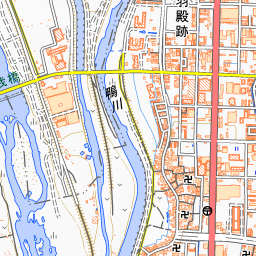
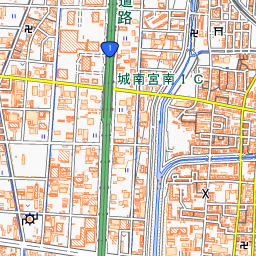
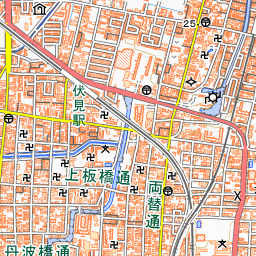
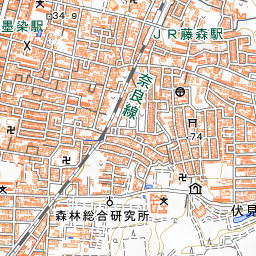
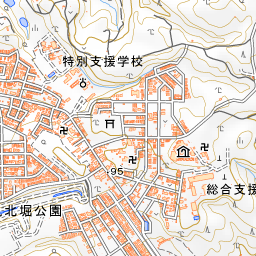
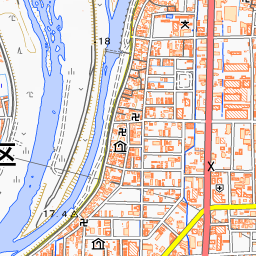
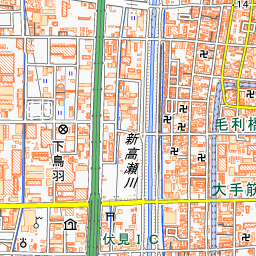
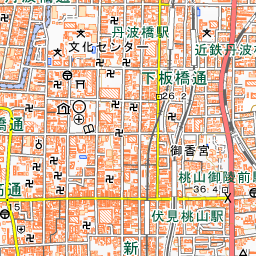
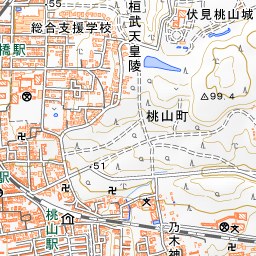
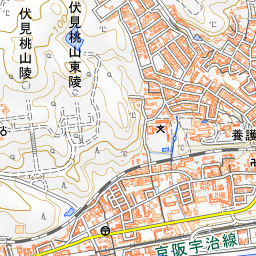
Spot location © OpenStreetMap contributors (ODbL)
Open in Google MapsGuides that include this spot (1)
Use asobot while you walk
- See where you are on the map and find spots nearby
- Listen to the guide's audio in course order, one after another (with subtitles)
- Walk to the next spot while following the map
Open on your phone
Scan to open this spot in asobot on your phone.