 ✨ AI Generated
Okunoshima Island
Japanese: 大久野島
Takehara, Hiroshima
This information was written by AI and may contain mistakes. Please check official sources for opening hours, fees, and other details before you go.
Found a mistake? Let us know with “✏️ Something's wrong” on this spot's screen in asobot →
🎧 Audio guide(1:00)
In short
Okunoshima Island is a small island that many people visit to see the rabbits living in various spots across it. Almost the entire island is under the jurisdiction of the Ministry of the Environment and has been developed as a place within Setonaikai National Park where visitors can spend a relaxing time while coming into contact with nature. Several eras of history overlap here, including the artillery batteries of the Meiji period and the Imperial Japanese Army poison gas factory that operated from 1929 until the end of the war.
- Scenery of an Island with Rabbits: You can see rabbits relaxing in grassy plazas and along roadsides. To protect the island's rabbits, visitors are asked to refrain from bringing pets to the island
- Wartime Ruins Remaining on the Island: Battery sites and magazine ruins of the Geiyo Fortress, as well as ruins of storehouses that held poison gas, still remain. At the Nagaura Poison Gas Storehouse ruins, you can still see walls blackened and scorched from being burned during postwar disposal operations
- Museum for Learning History: On the island, there is a museum that conveys the history of poison gas manufacturing and the damage it caused
History and Highlights
Okunoshima Island is a small island with an area of about 70 hectares, floating approximately 3 kilometers off the coast of Tadanoumi-cho in Takehara City. Almost the entire island is under the jurisdiction of the Ministry of the Environment and has been developed as a place within Setonaikai National Park where visitors can spend a relaxing time while coming into contact with nature. Today, many people visit the island to see the rabbits living in various spots across the island.
Several eras of history overlap on this island. During the Meiji period, artillery batteries were constructed in the northern, central, and southern parts of the island as part of the Geiyo Fortress to strengthen the defenses of the Seto Inland Sea. In 1929, an Imperial Japanese Army poison gas factory was opened, and poison gas was manufactured here until the end of World War II. Around 1932, it became a secret island and was even erased from maps. Many people engaged in the dangerous and harsh labor suffered severe health damage. After the war, the poison gas remaining on the island was disposed of under the direction of the U.S. military, and the factory facilities were dismantled. In 1950, the island was incorporated into Setonaikai National Park, and in 1963, a Kokumin Kyukamura (National Vacation Village), now known as Kyukamura Okunoshima, was opened.
Sights and Experiences
- Scenery of an Island with Rabbits: You can see rabbits relaxing in grassy plazas and along roadsides. To protect the island's rabbits, visitors are asked to refrain from bringing pets to the island.
- Wartime Ruins Remaining on the Island: Remains such as battery sites and magazine ruins of the Geiyo Fortress, as well as ruins of storehouses that held poison gas, still remain throughout the island. At the Nagaura Poison Gas Storehouse ruins, the largest on the island, you can still see walls blackened and scorched from being burned with flamethrowers during postwar disposal operations. The large building that supplied electricity to the poison gas plant is introduced under the spot "Okunoshima Power Plant Ruins."
- Museum for Learning History: On the island, there is a museum that conveys the history of poison gas manufacturing and the damage it caused. The exhibits and cenotaph are introduced under the spot "Okunoshima Poison Gas Museum."
Travel Tips
The island can be reached by boat from Tadanoumi Port in about 15 minutes. Many of the ruins cannot be entered beyond the safety fences installed to prevent hazards, so please view them from the outside. If you stop by the museum first, it will be easier to understand what each remaining ruin on the island was used for. Take a leisurely stroll, interacting with the rabbits while also reflecting on the history the island has undergone.

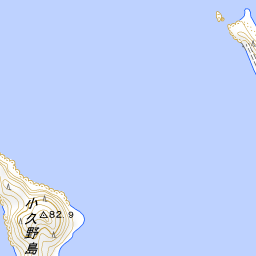
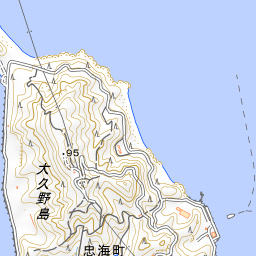
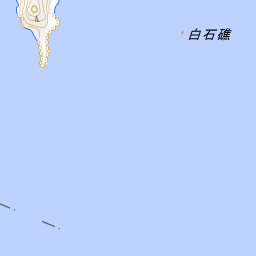
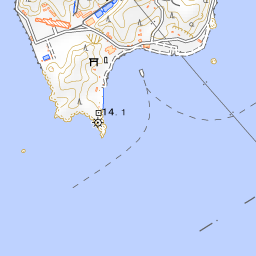

Spot location © OpenStreetMap contributors (ODbL)
Open in Google MapsGuides that include this spot (1)
Use asobot while you walk
- See where you are on the map and find spots nearby
- Listen to the guide's audio in course order, one after another (with subtitles)
- Walk to the next spot while following the map
Open on your phone
Scan to open this spot in asobot on your phone.