 ✨ AI Generated
Rokuharamitsu-ji Temple
Japanese: 六波羅蜜寺
Higashiyama Ward, Kyoto
This information was written by AI and may contain mistakes. Please check official sources for opening hours, fees, and other details before you go.
Found a mistake? Let us know with “✏️ Something's wrong” on this spot's screen in asobot →
🎧 Audio guide(1:04)
In short
A temple founded in 951 (Tenryaku 5) by Kuya Shonin, the second prince of Emperor Daigo, and the 17th temple on the Saigoku 33 Kannon Pilgrimage. It belongs to the Chisan School of Shingon Buddhism, and in the late Heian period, the residences of the Taira clan flourished across the vast temple grounds.
- Standing Statue of Kuya Shonin: A Kamakura-period Important Cultural Property carved by Kosho, the fourth son of Unkei. Faithfully reflecting the legend that six Amida Buddhas appeared from his mouth as he chanted the Nembutsu, the statue is realistically sculpted
- Seated Statue of Taira no Kiyomori and Unkei's Jizo: The seated statue of Taira no Kiyomori holding a Buddhist sutra scroll and the seated statue of Jizo Bosatsu made by Unkei, also called the "Yumemi Jizo" (Dream-seeing Jizo), are both Kamakura-period Important Cultural Properties
- Obukucha and the Hidden Eleven-headed Kannon: The tea that Kuya Shonin is said to have given to the sick is still distributed today as Obukucha during the first three days of the New Year. Inside the zushi (miniature shrine) at the center of the main hall, a standing statue of the Eleven-headed Kannon, a Heian-period National Treasure, is enshrined as a secret Buddha (hibutsu) and is unveiled once every 12 years in the Year of the Dragon
History and Highlights
Rokuharamitsu-ji Temple was founded in the 5th year of Tenryaku (951) by Kuya Shonin, the second prince of Emperor Daigo, and is the 17th temple on the Saigoku 33 Kannon Pilgrimage. Belonging to the Chisan School of Shingon Buddhism, its predecessor was Saiko-ji Temple, which was established by Kuya Shonin. It is also a pilgrimage site dedicated to Benzaiten, one of the Seven Lucky Gods of Kyoto (Miyako Shichifukujin).
To drive away an epidemic that was spreading through Kyoto at the time, Kuya Shonin carved an Eleven-headed Kannon statue himself, placed it on a cart, and pulled it around the city. It is said that he offered tea containing small pickled plums and knotted kelp before the Buddha and gave it to the sick, chanted the Nembutsu, and finally quelled the illness. Even today, this tea is distributed during the first three days of the New Year as Obukucha.
In the late Heian period, spanning the generations of Taira no Tadamori, Kiyomori, and Shigemori, the residences of the Taira clan flourished across the vast temple grounds, numbering over 5,200. In the 2nd year of Juei (1183), when the Taira clan fell, various halls were burned down in the fires of war, leaving only the main hall standing. During the Kamakura period, the Rokuhara Tandai, an administrative agency for governing western Japan, was placed to the north and south of the temple.
Viewing and Experience Highlights
- Standing Statue of Kuya Shonin: A Kamakura-period Important Cultural Property carved by Kosho, the fourth son of Unkei. It depicts him wearing a gongu gong on his chest, holding a shumoku striker in his right hand, leaning on a deer-antler staff with his left, wearing straw sandals, and exposing his knees. Faithfully reflecting the legend that six Amida Buddhas appeared from his mouth as he chanted the Nembutsu, the statue is realistically sculpted.
- Seated Statue of Taira no Kiyomori and Unkei's Jizo: The seated statue of Taira no Kiyomori holding a Buddhist sutra scroll completely lacks the arrogance portrayed in The Tale of the Heike, exuding instead the dignity of a Buddhist practitioner. The seated statue of Jizo Bosatsu made by Unkei is also called the "Yumemi Jizo" (Dream-seeing Jizo). Both are Kamakura-period Important Cultural Properties, and the temple houses many masterpieces of the Heian and Kamakura periods that escaped repeated wartime fires.
- The Main Hall and the Hidden Eleven-headed Kannon: The present main hall is an Important Cultural Property reconstructed in the 2nd year of Joji (1363), and a dismantling repair was carried out in the 44th year of Showa (1969) to commemorate the 1,000th anniversary of the temple's founding. Inside the zushi (miniature shrine) at the center of the main hall, a standing statue of the Eleven-headed Kannon, a Heian-period National Treasure, is enshrined as a secret Buddha (hibutsu) and is unveiled once every 12 years in the Year of the Dragon.
Walking Tips
It is about a 7-minute walk from Kiyomizu-Gojo Station on the Keihan Railway, and also about 7 minutes from the city bus stop "Kiyomizu-michi". Within the grounds stands the Kiyomori-zuka, a memorial monument for Taira no Kiyomori, which serves as a reminder that the residences of the Taira clan once stood side by side in this area. Kennin-ji Temple is about 360 meters to the north, Hokan-ji Temple is about 570 meters to the east, and Kyoto National Museum is about 800 meters to the south.
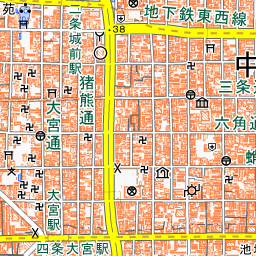

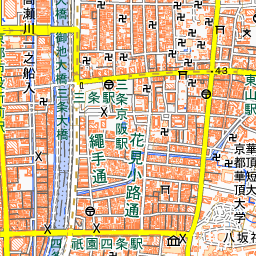


Spot location © OpenStreetMap contributors (ODbL)
Open in Google MapsGuides that include this spot (1)
Use asobot while you walk
- See where you are on the map and find spots nearby
- Listen to the guide's audio in course order, one after another (with subtitles)
- Walk to the next spot while following the map
Open on your phone
Scan to open this spot in asobot on your phone.