
Yamaguchi Family Residence
Japanese: 山口家住宅
Sakai Ward, Sakai, Osaka
This information was written by AI and may contain mistakes. Please check official sources for opening hours, fees, and other details before you go.
Found a mistake? Let us know with “✏️ Something's wrong” on this spot's screen in asobot →
🎧 Audio guide(1:14)
In short
A machiya (traditional townhouse) built in the early Edo period, designated as a National Important Cultural Property in 1966. According to the City of Sakai, it is one of the few early Edo-period townhouses in Japan, built shortly after the urban area was completely destroyed by fire during the Siege of Osaka in 1615 (the 20th year of Keicho). Since 2009, it has been open to the public as the Sakai City Machiya Historical Museum Yamaguchi Family Residence.
- Spacious Earthen Floor and Wagoya: A small earthen area leads into a large earthen floor with cooking stoves (kamado), above which a wagoya (traditional Japanese roof framing) of beams, struts, and tie-beams forms a magnificent open space
- From Wooden Floors to Tatami Rooms and Tea Room: Visitors can see the townhouse layout continuing through various spaces, from the wooden-floored living area (itama) for daily life, to the tatami room (zashiki) also used for receiving guests, and into a tea room
- Garden with a Large Wax Tree: On the north side, there is a garden centered on a 200-year-old large wax tree, which can be viewed from the omoya (main building)
History and Highlights
The Yamaguchi Family Residence is a machiya (traditional townhouse) built in the early Edo period and was designated as a National Important Cultural Property in 1966. According to the City of Sakai, it is one of the few surviving early Edo-period townhouses in Japan, constructed shortly after the urban area was completely destroyed by fire during the Siege of Osaka in 1615 (the 20th year of Keicho). Traces remaining on the building and excavations in the surrounding area also indicate that it was built in the early Edo period. Since 2009, it has been open to the public as the Sakai City Machiya Historical Museum Yamaguchi Family Residence.
During the Edo period, the Yamaguchi family served as village headmen (shoya) for neighboring farming villages and also played a role in connecting the magistrate's office (bugyosho) with the townspeople and villagers. In the 1689 "Sakai Oezu", it is recorded under the Yamaguchi family's shop name "Echizen-ya," with Yamaguchisuji Street to the east as its front. When originally constructed, it consisted of a large doma (earthen floor area) and rooms facing the earthen floor, with a gate facing Yamaguchisuji on the east side. In 1775, the omoya (main building) was renovated, adding a new entrance and tatami rooms (zashiki) on the south side, as well as a west storehouse (nishi-dozo). With the construction of the north storehouse (kita-dozo) in 1800, the current layout was completed.
During the Edo period, it was said that the people of Sakai lavished wealth on their architecture, as expressed in the saying "Sakai no tatedaore" (ruining oneself by building lavish houses in Sakai), alongside "Kyo no kidaore" (dressing oneself to ruin in Kyoto) and "Osaka no kuidaore" (eating oneself to ruin in Osaka).
Highlights for Viewing and Experiencing
- Spacious Earthen Floor and *Wagoya*: Entering from the front, a small earthen area leads into a large earthen floor equipped with cooking stoves (kamado). Above the earthen floor, a wagoya (traditional Japanese roof framing) constructed of beams, struts, and tie-beams forms a magnificent open space.
- From Wooden Floors to Tatami Rooms and Tea Room: Visitors can see the townhouse layout transitioning through various spaces—from the wooden-floored living area (itama), to the formal tatami room (zashiki) used for receiving guests, and into a tea room. Exhibitions featuring traditional Sakai industries and seasonal decorations are also held in rotation.
- Garden with a Large Wax Tree: On the north side, there is a garden centered around a 200-year-old wax tree, which can be viewed from the omoya.
Travel Tips
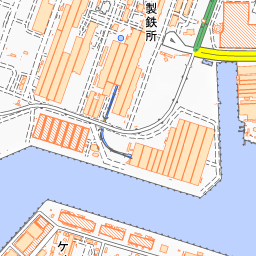
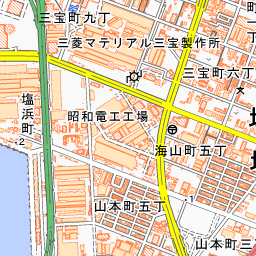
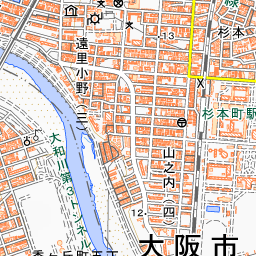
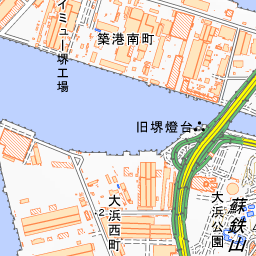
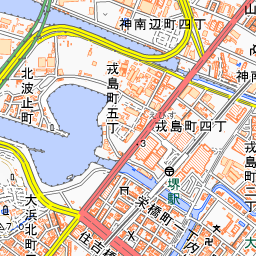
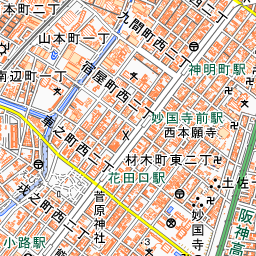
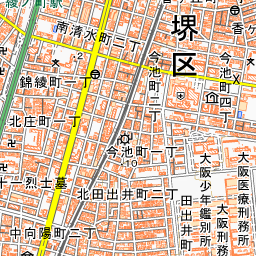
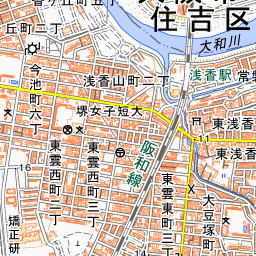
It is located 200 meters southeast of Ayanocho Stop on the Hankai Tramway Hankai Line. There is no parking lot, so please use public transportation. Seigaku-in and Teppo Kaji Yashiki, which are also part of the Machiya Historical Museum, are located about 620 meters away, and visiting them together allows for a deeper appreciation of townhouse life in Edo-period Sakai. Myokoku-ji Temple is also located about 620 meters to the south.


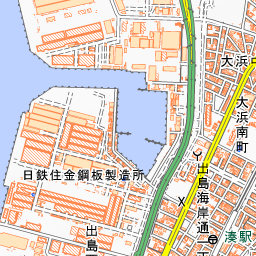


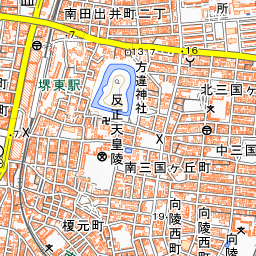
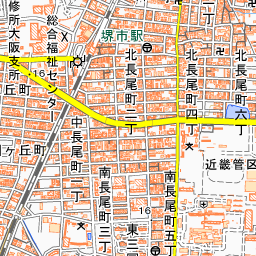
Spot location © OpenStreetMap contributors (ODbL)
Open in Google MapsUse asobot while you walk
- See where you are on the map and find spots nearby
- Listen to the guide's audio in course order, one after another (with subtitles)
- Walk to the next spot while following the map
Open on your phone
Scan to open this spot in asobot on your phone.