 ✨ AI Generated
Hirayama Ikuo Museum of Art
Japanese: 平山郁夫美術館
Onomichi, Hiroshima
This information was written by AI and may contain mistakes. Please check official sources for opening hours, fees, and other details before you go.
Found a mistake? Let us know with “✏️ Something's wrong” on this spot's screen in asobot →
🎧 Audio guide(1:05)
In short
The Hirayama Ikuo Museum of Art introduces the works of Hirayama Ikuo, a Japanese-style painter born in Setoda on Ikuchijima Island. It opened in 1997 in his hometown of Setoda. At the age of 15, Hirayama Ikuo experienced the atomic bombing in Hiroshima; later, driven by a wish to pray for peace, he painted "Transmission of Buddhism," and he went on to create numerous works depicting the Silk Road.
- Journey from Boyhood: Works from his childhood through his youth are also presented, allowing visitors to trace his starting point as a painter
- Japanese Garden Modeled After the Seto Inland Sea: The garden represents the scenery of the Seto Inland Sea, with a gourd-shaped island placed in the middle
- Fifty-Three Stations of the Shimanami Kaido: A series of 60 watercolor paintings newly produced when the Shimanami Kaido opened, depicting the scenery of the islands along the route from Onomichi to Imabari
History and Highlights
The Hirayama Ikuo Museum of Art is a museum introducing the works of Hirayama Ikuo, a Japanese-style painter born in Setoda on Ikuchijima Island. It opened in 1997 (Heisei 9) in his hometown of Setoda.
Hirayama Ikuo was born in Setoda in 1930 (Showa 5) and spent his boyhood surrounded by the nature of Setouchi. At the age of 15, he experienced the atomic bombing in Hiroshima. Later, he studied Japanese-style painting at the Tokyo Fine Arts School, and driven by a desire to leave works praying for peace, he painted "Transmission of Buddhism" around 1959 (Showa 34). Starting in 1966 (Showa 41), he traveled abroad for research almost every year, creating numerous works depicting the Silk Road. In 1998 (Heisei 10), he received the Order of Culture.
The museum building was designed by architect Imazato Takashi, who also worked on the Ryogoku Kokugikan. The large gabled roof features a gentle curve and is topped with large Japanese tiles.
Highlights of the Exhibition and Experience
- Journey from Boyhood: In the exhibition rooms, works from his childhood through his youth are also presented, allowing visitors to trace his starting point as a painter.
- Japanese Garden Modeled After the Seto Inland Sea: The garden represents the scenery of the Seto Inland Sea, with a gourd-shaped island placed in the middle. The garden is designed to be viewed from inside the building.
- Fifty-Three Stations of the Shimanami Kaido: A series of 60 watercolor paintings newly produced when the Shimanami Kaido opened, depicting the scenery of the islands along the route from Onomichi to Imabari.
Walking Tips
The interior of the museum is a warm space generously incorporating oak wood and featuring shoji screens on the windows. Take your time engaging with the artworks along the visitor route. Close to the museum lies Kosanji Temple, beyond which spreads the white marble garden "Hill of Hope (Miraishin-no-Oka)." The town of Setoda, where Hirayama Ikuo spent his boyhood, also is home to Kojo-ji Temple. Enjoy a stroll through the town of Setoda in combination with these spots.
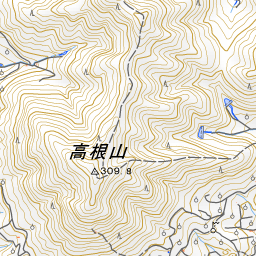
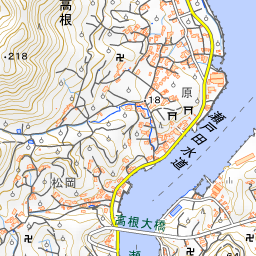
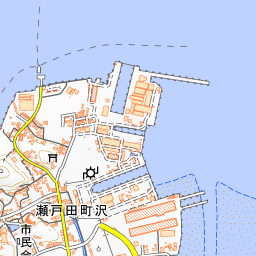
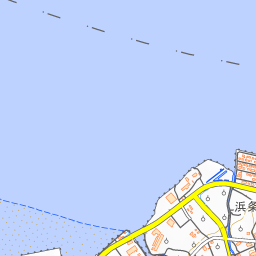
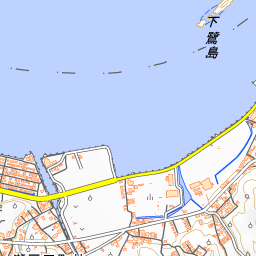

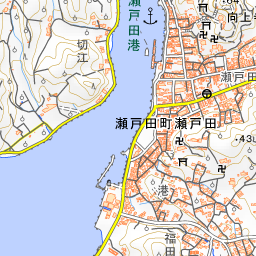
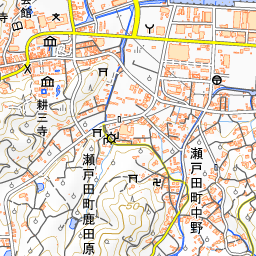
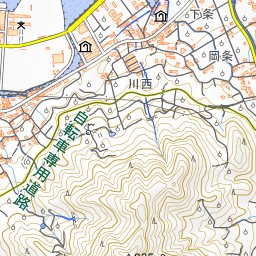
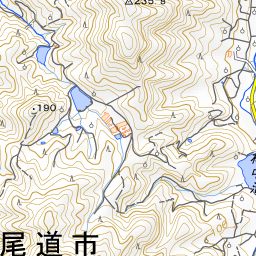
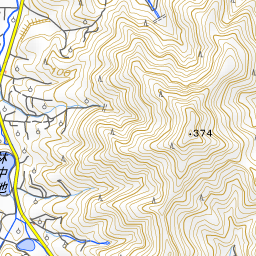
Spot location © OpenStreetMap contributors (ODbL)
Open in Google MapsGuides that include this spot (1)
Use asobot while you walk
- See where you are on the map and find spots nearby
- Listen to the guide's audio in course order, one after another (with subtitles)
- Walk to the next spot while following the map
Open on your phone
Scan to open this spot in asobot on your phone.