 ✨ AI Generated
The Gotoh Museum
Japanese: 五島美術館
Setagaya City, Tokyo
This information was written by AI and may contain mistakes. Please check official sources for opening hours, fees, and other details before you go.
Found a mistake? Let us know with “✏️ Something's wrong” on this spot's screen in asobot →
🎧 Audio guide(0:59)
In short
Located in Kaminoge, Setagaya Ward, this private art museum opened in 1960 based on ancient Japanese and East Asian artworks collected by Gotoh Keita, who laid the foundations of the Tokyu Group. Today, it houses approximately 5,000 items, including 5 National Treasures and 50 Important Cultural Properties.
- National Treasure "The Tale of Genji Emaki": Holding three chapters of the oldest surviving picture scroll of The Tale of Genji, it is usually exhibited for about a week in spring.
- Main Building Incorporating the Shinden-zukuri Style: Designed by architect Yoshida Isoya, the main building is a Registered Tangible Cultural Property of Japan.
- Garden Descending to the Tama River: Stone Buddhist statues are dotted throughout the garden, where the Musashino copse slopes steeply down toward the Tama River, and seasonal flowers bloom.
History and Highlights
The Gotoh Museum is a private art museum located in Kaminoge, Setagaya Ward. It opened on April 18, 1960. The concept for the museum came from Gotoh Keita, who built the foundation of the Tokyu Group. Alongside his railway business, Keita spent half his life collecting artworks, starting with ancient Buddhist sutra manuscripts. Opening an art museum to display his private collection to the public was Keita's long-cherished wish, but he passed away just before the opening, without seeing the completed museum.
The collection is based on ancient art from Japan and East Asia dating from the Meiji period or earlier, gathered by Keita. Donations continued after the opening, and the collection now amounts to approximately 5,000 items, including 5 National Treasures and 50 Important Cultural Properties. At the time of opening, the Daitokyu Memorial Library, which was in Meguro Ward, was also relocated to this building. There is no permanent exhibition, and the displayed works change with each exhibition.
Highlights of the Visit
- National Treasure "The Tale of Genji Emaki": A 12th-century illustrated handscroll based on The Tale of Genji. Among picture scrolls of The Tale of Genji, it is the oldest surviving work. The Gotoh Museum holds three chapters: "Suzumushi" (The Bell Cricket), "Yugiri" (Evening Mist), and "Minori" (The Law), which are typically exhibited for about a week in spring. In autumn, the "Murasaki Shikibu Diary Emaki," also a National Treasure, is usually exhibited for about a week.
- Main Building Incorporating the Shinden-zukuri Style: The main building was designed by architect Yoshida Isoya. It incorporates design elements of the shinden-zukuri architectural style, originally used by court nobility, throughout the structure. It received the Building Contractors Society Prize in 1961 and became a Registered Tangible Cultural Property of Japan in 2017.
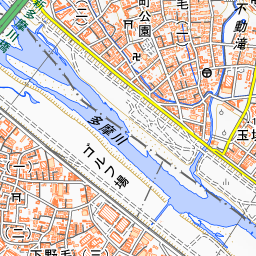
- Garden Descending to the Tama River: The grounds, including the garden, cover approximately 6,000 tsubo (around 20,000 square meters). The garden features the Musashino copse sloping steeply down toward the Tama River, with an elevation difference of up to 35 meters. Stone Buddhist statues such as Dainichi Nyorai and the Six Jizo are dotted around, and seasonal flowers like azaleas and weeping cherry blossoms bloom.
Walking Tips
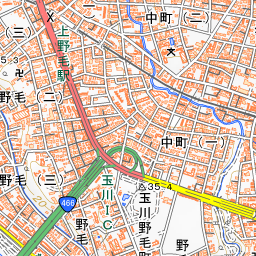
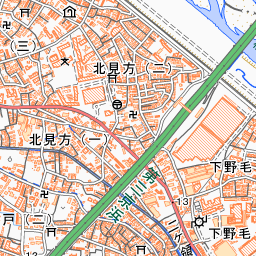
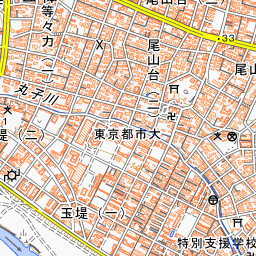
It is about a 5-minute walk from Kaminoge Station on the Tokyu Oimachi Line. Viewing the exhibition rooms takes about one hour on average. The garden features steep slopes, steps, and ponds, so please watch your step as you walk. Along the walking paths are "Kokyoro," a teahouse built in the Meiji period, and "Fujimi-tei," a teahouse Keita had built using old materials; neither interior is open to the public. Todoroki Valley Park is located approximately 1.2 km in a straight line to the southeast.
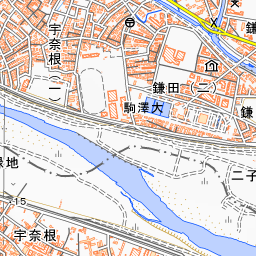
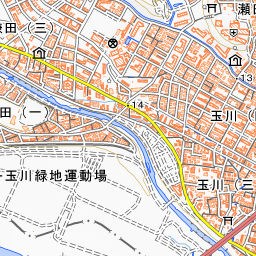
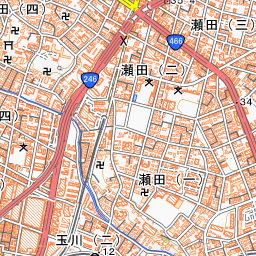
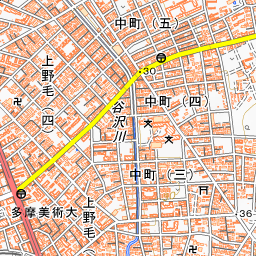
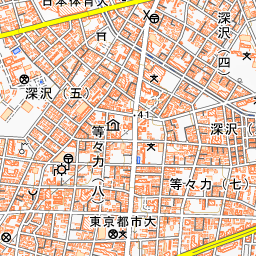
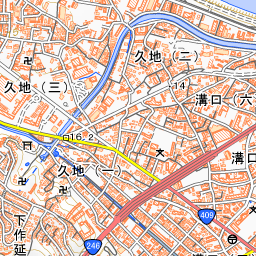
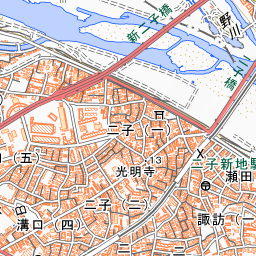
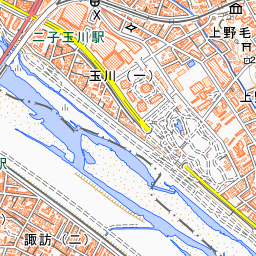
Spot location © OpenStreetMap contributors (ODbL)
Open in Google MapsGuides that include this spot (1)
Use asobot while you walk
- See where you are on the map and find spots nearby
- Listen to the guide's audio in course order, one after another (with subtitles)
- Walk to the next spot while following the map
Open on your phone
Scan to open this spot in asobot on your phone.