 ✨ AI Generated
Nison-in Temple
Japanese: 二尊院
Ukyo Ward, Kyoto
This information was written by AI and may contain mistakes. Please check official sources for opening hours, fees, and other details before you go.
Found a mistake? Let us know with “✏️ Something's wrong” on this spot's screen in asobot →
🎧 Audio guide(1:02)
In short
A Tendai sect temple at the eastern foot of Mount Ogura, known as a famous spot for autumn foliage. Its history began during the Jowa Era (834–848) when Jikaku Daishi Ennin founded it by imperial decree of Emperor Saga. The temple's name derives from its two principal images (nison), Shaka Nyorai and Amida Nyorai.
- The Two Principal Images: The "Departing Shaka," who sends off those aspiring for rebirth in the Pure Land from this world, and the "Welcoming Amida," who receives them into the next world, are both designated as national Important Cultural Properties. They are said to have been created by Kasuga sculptors in the mid-Kamakura period
- Somon Gate and Momiji-no-Baba: The Somon gate is a yakui-mon (traditional physician-style gate) originally located at Fushimi Castle, which is said to have been relocated and donated by Suminokura Ryoi. Passing through the gate leads to "Momiji-no-Baba," a straight approach of about 100 meters, forming a tunnel of autumn foliage in fall and turning cherry-pink in spring
- Main Hall and Tea House "Misono-tei": A plaque inscribed with "Nison-in" handwritten by Emperor Gonara hangs in the Main Hall, which in 2016 (Heisei 28) completed a major restoration for the first time in about 350 years. The tea house "Misono-tei," in the back of the Shoin, is open for use only during limited periods in spring and autumn
History and Highlights
Nison-in Temple is a Tendai sect temple located at the eastern foot of Mount Ogura, known as a famous spot for autumn foliage. Its official name is Ogurayama Nisonkyoin Kedai-ji. Its history began during the Jowa Era (834–848) when Jikaku Daishi Ennin founded it by imperial decree of Emperor Saga.
The temple's name derives from its two principal images (nison), Shaka Nyorai and Amida Nyorai. Known as the "Departing Shaka" who sends off those aspiring for rebirth in the Pure Land from this world, and the "Welcoming Amida" who receives them into the next world, both statues are designated as national Important Cultural Properties. Said to have been created by Kasuga sculptors in the mid-Kamakura period, the two twin-like figures coated in gold paint with inlaid crystal eyes stand side by side.
In the early Kamakura period, Honen resided here and preached his teachings, bringing prosperity to the temple. Although all the temple buildings were destroyed by the flames of the Onin War, Sanjonishi Sanetaka solicited donations from various provinces and rebuilt the Main Hall and the Karamon gate in 1521. Until the Meiji Restoration, it served as a training hall where four Buddhist sects—Tendai, Shingon, Ritsu, and Jodo—were studied together.
Viewing and Experience Points
- Somon Gate and Momiji-no-Baba: The Somon gate is a yakui-mon (traditional physician-style gate) originally located at Fushimi Castle, which is said to have been relocated and donated by Suminokura Ryoi, and is a designated cultural property of Kyoto City. Passing through the gate leads to "Momiji-no-Baba," a straight approach of about 100 meters. Maples and cherry trees are planted alternately, forming a tunnel of autumn foliage in fall and turning cherry-pink in spring.
- Main Hall: The Main Hall enshrining the two images is a spacious building in the six-room hojo style, and is a designated cultural property of Kyoto City. A plaque inscribed with "Nison-in" handwritten by Emperor Gonara hangs here. In 2016, it underwent a major restoration for the first time in about 350 years.
- Tea House "Misono-tei": A tea house situated in the back of the Shoin next to the Main Hall, this building was originally the dressing chamber of Imperial Princess Yoshiko, the sixth daughter of Emperor Gomizunoo, and was relocated here via the Nijo family. "Misono" refers to the gardens of the Imperial Palace. It is open for use only during limited periods in spring and autumn.
Walking Tips
It is about a 10-minute walk from the "Saga Shakadomae" city bus stop. Jojakko-ji Temple is about 220 meters to the south, Rakushisha Hermitage is about 290 meters to the southeast, and Gio-ji Temple is about 240 meters to the northwest, making it easy to explore on foot. Looking back down the Momiji-no-Baba approach from the top of the stone steps on your way back is also a highlight not to be missed.
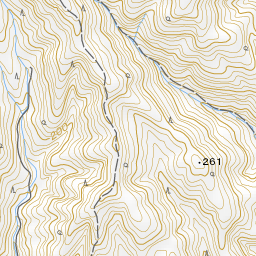
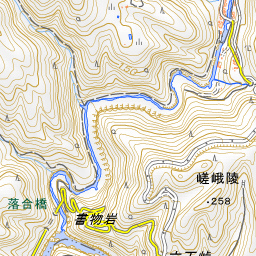
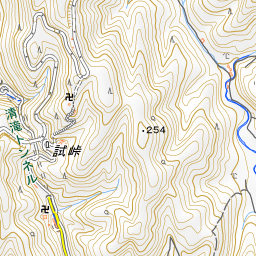
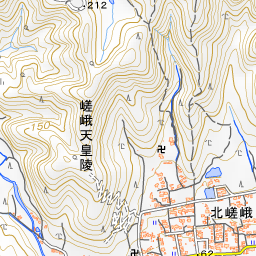
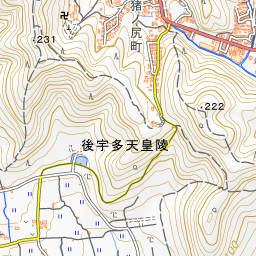
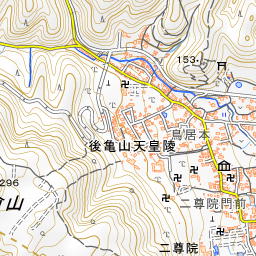
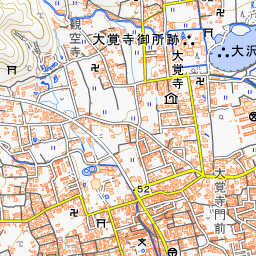
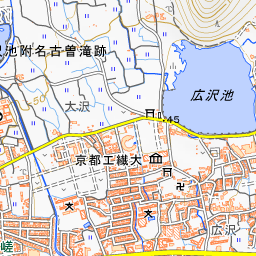
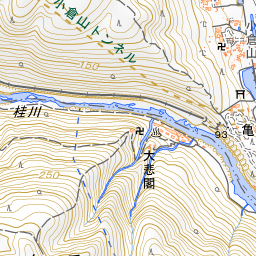
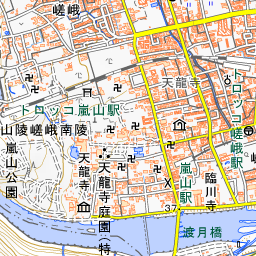
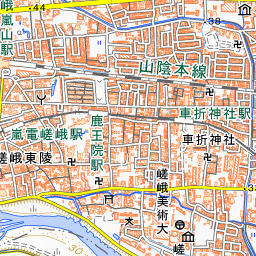
Spot location © OpenStreetMap contributors (ODbL)
Open in Google MapsGuides that include this spot (1)
Use asobot while you walk
- See where you are on the map and find spots nearby
- Listen to the guide's audio in course order, one after another (with subtitles)
- Walk to the next spot while following the map
Open on your phone
Scan to open this spot in asobot on your phone.