 ✨ AI Generated
Suwa-jinja Shrine
Japanese: 諏方神社
Arakawa City, Tokyo
This information was written by AI and may contain mistakes. Please check official sources for opening hours, fees, and other details before you go.
Found a mistake? Let us know with “✏️ Something's wrong” on this spot's screen in asobot →
🎧 Audio guide(1:07)
In short
Suwa-jinja Shrine, located on Suwadai in Nishi-Nippori, is the grand tutelary shrine for the Nippori and Yanaka areas. It is said to have been founded in 1205 (Genkyu 2) and enshrines Takeminakata no Mikoto, the same deity as the Suwa shrine of Shinano Province. During the Edo period, Suwadai was known as a scenic spot offering views of the Tsukuba and Nikko mountain ranges. It is said that this area was called "Higurashi no Sato" (the village of spending the day), a place where visitors never grew tired of lingering until sunset.
- Views from Suwadai: As you proceed deeper into the grounds, the view opens up, allowing you to see JR train tracks and passing trains below.
- The Name "Suwa" (諏方): The shrine's name, written as "諏方", is said to be an ancient representation of the name of Suwa Grand Shrine in Shinshu.
- Annual Festival in August: The annual grand festival takes place on August 27. During the grand festival held once every three years, the main shrine's portable shrine (mikoshi) is paraded through the Nippori and Yanaka districts.
History and Highlights
Suwa-jinja Shrine is located on the Suwadai hill in Nishi-Nippori and is affectionately known as "O-Suwa-sama." It is the grand tutelary shrine of Nippori (formerly written with different characters) and Yanaka.
It is said to have originated in 1205 (Genkyu 2), when Toshima Saemon-no-jo Tsuneyasu constructed the shrine sanctuary and established it as a tutelary shrine. Enshrining the deity divided from the Suwa shrine of Shinano Province, it honors Takeminakata no Mikoto. In 1445 (Bun'an 2), when Ota Dokan built a branch castle in Nippori, he is said to have repaired the shrine buildings and donated land. In the 12th year of the Kan'ei era, the shrine buildings were relocated to their current site.
The shrine's name, written with the characters "諏方", is said to be an ancient way of writing the name of Shinshu's Suwa Grand Shrine. Although it is now commonly written as "諏訪", this shrine uses "諏方神社" because a hanging scroll from the Genroku era in its collection bears the inscription "諏方大明神" (Suwa Daimyojin).
Suwadai is high ground running alongside the JR Yamanote Line tracks. In the Edo period, it was renowned as a scenic vantage point overlooking the Tsukuba and Nikko mountain ranges, and its spring scenery was even depicted in Hiroshige's One Hundred Famous Views of Edo. At that time, this area was written as "新堀" (Nippori), but it is said to have come to be written as "日暮里" because it was referred to as "Higurashi no Sato"—a village where one never tired of staying until the sun set.
Highlights for Visitors
- Trees and the View from Suwadai: Passing through the large torii gate, visitors enter grounds of over 1,500 tsubo (approx. 5,000 square meters) surrounded by magnificent large trees, centered around a giant ginkgo tree. Deeper inside, you will find the open view unique to this elevated terrain, with JR train tracks below and trains running by.
- Cultural Properties on the Grounds: A chozubachi (water basin) bearing an inscription from the 2nd year of the Tenpo era and two Koshin-to stone towers inscribed with the 12th year of the Genroku era are registered cultural properties of Arakawa Ward. The framed plaque hanging in the worship hall was brushed by Yokoyama Taikan, a master of modern Japanese-style painting.
- Annual Festival in August: The annual festival is held on August 27, when nearly 100 stalls line the area. During the grand festival held once every three years, the shrine's mikoshi is paraded through the Nippori and Yanaka areas. In ancient times, it is said that the portable shrine was carried as far as Imowaraibashi (present-day Shoheibashi in Kanda), from where it traveled up the Sumida River by boat.
Walking Tips
The shrine is a 3-minute walk from Nishi-Nippori Station on the JR and Tokyo Metro Chiyoda lines, and a 7-minute walk from JR Nippori Station. If walking from Yuyake Dandan, located about 360 meters to the south, climb the stairs and follow Suwadai-dori Street toward Nishi-Nippori Station. Keiun-ji Temple, Yofuku-ji Temple, and Joko-ji Temple line this street. You can easily combine this visit with a stroll around Yanaka Ginza, located about 410 meters south-southwest.
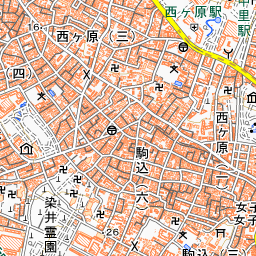
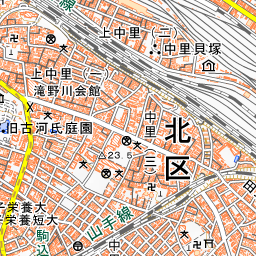
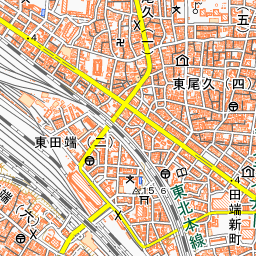
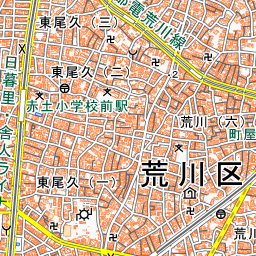
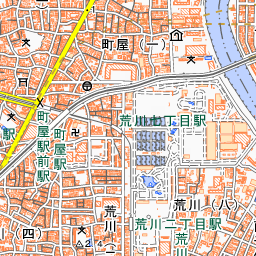

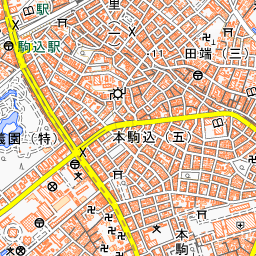


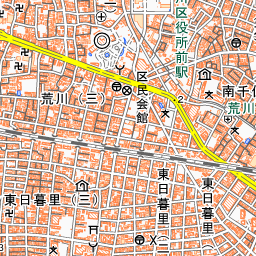

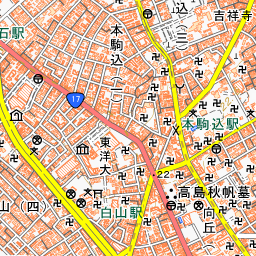

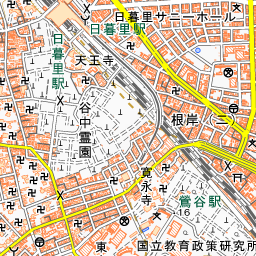
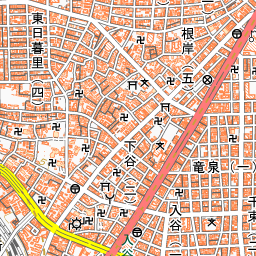
Spot location © OpenStreetMap contributors (ODbL)
Open in Google MapsUse asobot while you walk
- See where you are on the map and find spots nearby
- Listen to the guide's audio in course order, one after another (with subtitles)
- Walk to the next spot while following the map
Open on your phone
Scan to open this spot in asobot on your phone.