 ✨ AI Generated
Chogosonshi-ji Temple
Japanese: 朝護孫子寺
Heguri Town, Nara
This information was written by AI and may contain mistakes. Please check official sources for opening hours, fees, and other details before you go.
Found a mistake? Let us know with “✏️ Something's wrong” on this spot's screen in asobot →
🎧 Audio guide(0:59)
In short
Chogosonshi-ji Temple is the head temple of the Shigisan School of Shingon Buddhism, located on the southern mountainside of Mt. Shigi. It is said that Prince Shotoku experienced a spiritual encounter with Bishamonten on this mountain in the year of the tiger, on the day of the tiger, and at the hour of the tiger, and numerous tiger statues are placed throughout the temple grounds. The temple's name was bestowed by Emperor Daigo after his illness was cured through the prayers of Myoren Shonin. It is also called "Shigisan-ji."
- Stage of the Main Hall: This is the main hall enshrining Bishamonten. The view from the sturdy stage is magnificent, and visitors can also watch the sunrise.
- Kaidan-meguri (Corridor Walk): Visitors walk through a pitch-dark corridor beneath the main hall and pray by touching the lock that secures the wish-fulfilling jewel (nyoi hoju).
- Shigisan Engi Emaki: A National Treasure picture scroll preserved at the temple, counted as one of the three great picture scrolls of Japan.
History and Highlights
The exact date of the founding of Chogosonshi-ji Temple is not clear. According to the temple's history, it is said that in the year of the tiger, on the day of the tiger, and at the hour of the tiger in 582, Prince Shotoku was spiritually inspired by Bishamonten on this mountain. In 587, Prince Shotoku defeated Mononobe no Moriya, and it is said that he personally carved a statue of Bishamonten and enshrined it as the guardian deity of this mountain. The name of the mountain, "Mt. Shigi," is said to originate from the Prince saying "one must believe (shi) and revere (gi)."
The name of the temple is associated with Emperor Daigo. When the Emperor became seriously ill, Myoren Shonin received an imperial command and prayed to Bishamonten, whereupon the illness was immediately cured. Consequently, the Emperor bestowed the name "Chogosonshi-ji" as a place of prayer for "peace in the imperial court, protection of the homeland, and longevity of descendants." This story of Myoren Shonin is depicted in the National Treasure "Shigisan Engi Emaki." This picture scroll is counted among the three great picture scrolls of Japan.
In 1577, Shigisan Castle, which had been built on this mountain by Matsunaga Hisahide, was attacked by Oda Nobunaga, and the temple halls, pagodas, and castle were all burned down. In 1610, the main hall and other structures were rebuilt as a place of prayer for Toyotomi Hideyori. That main hall was also burned down in 1951, and the current main hall was rebuilt in 1958.
Viewing and Experience Points
- Main Hall and Stage: Mt. Shigi is regarded as the sacred site where Bishamonten first appeared in Japan, and is the head temple of the worship of Bishamonten. In the front of the inner sanctuary of the main hall, the statue of Bishamonten is enshrined together with statues of Zennishi Doji and Kichijoten. The view from the sturdy stage is magnificent, and visitors can also watch the sunrise.
- Kaidan-meguri (Corridor Walk): It is said that about 900 years ago, when Kakuban Shonin secluded himself on this mountain to undergo ascetic training, he deposited the "wish-fulfilling jewel (nyoi hoju)" bestowed upon him by Bishamonten. The jewel is enshrined beneath the main hall. Visitors walk through the pitch-dark corridor and pray by touching the lock that secures the jewel.
- Papier-Mache Tiger: The reason there are many tiger statues on the temple grounds is that Bishamonten appeared in the year of the tiger, on the day of the tiger, and at the hour of the tiger. The giant papier-mache tiger called "Sekai-ichi Fuku-tora" (World's Best Fortune Tiger) is popular as a commemorative photo spot. The temple's designated sacred days (ennichi) are the 1st and 3rd of every month, as well as the days of the tiger.
Walking Tips
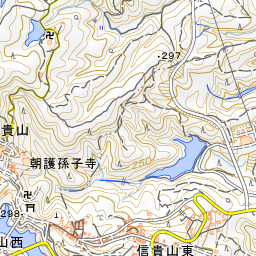
From the north exit of JR/Kintetsu Oji Station, take the Nara Kotsu bus bound for "Shigisanmon" for about 22 minutes, get off at "Shigi Ohashi," and walk for about 5 minutes. On the grounds, there is the Myoren Mound, said to be the grave of Myoren Shonin, and the Kaisan-do Hall. If you are confident in your stamina, try climbing up to Kuhatsugoho-do Hall at the mountain summit. Although the mountain path is steep, the ruins of Shigisan Castle are along the way, and the view from the hall is very magnificent. The temple's treasures are displayed in the Reihokan treasure house. Tatsuta-taisha Shrine is about 2.4 kilometers to the southeast, and Mt. Myojin is about 4 kilometers to the south.
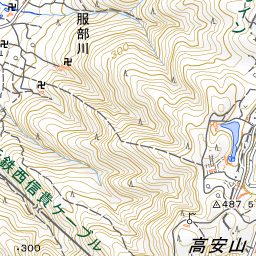
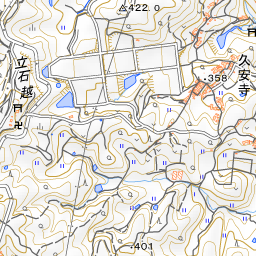
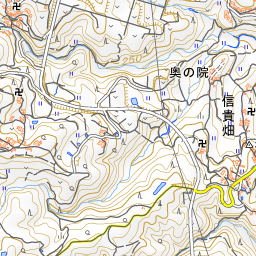
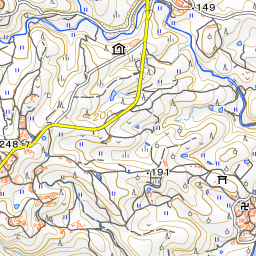

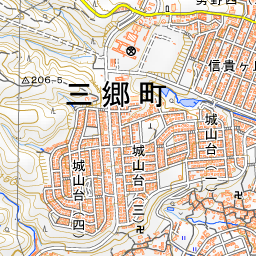
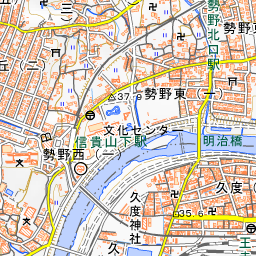
Spot location © OpenStreetMap contributors (ODbL)
Open in Google MapsGuides that include this spot (1)
Use asobot while you walk
- See where you are on the map and find spots nearby
- Listen to the guide's audio in course order, one after another (with subtitles)
- Walk to the next spot while following the map
Open on your phone
Scan to open this spot in asobot on your phone.