
Asazawa-sha Shrine
Japanese: 浅澤社
Sumiyoshi Ward, Osaka
This information was written by AI and may contain mistakes. Please check official sources for opening hours, fees, and other details before you go.
Found a mistake? Let us know with “✏️ Something's wrong” on this spot's screen in asobot →
🎧 Audio guide(1:20)
In short
An auxiliary shrine located outside the grounds of Sumiyoshi-taisha Shrine, dedicated to Ichikishimahime-no-Mikoto. Also known as the "Benten-sama of Sumiyoshi," it has long been revered as a guardian deity of performing arts and beauty, with particularly deep devotion from women. From ancient times, the area around the shrine was home to Asazawa Swamp, celebrated as a famous spot for Japanese irises (kakitsubata) and featured in the Manyoshu, and in 1997 (Heisei 9), the "irises of Asazawa" were revived by gathering wild native species of kakitsubata from various regions.
- Kakitsubata Blooming in the Pond: Irises bloom every May in the pond surrounding the shrine, reaching full bloom in mid-May
- The Third Visit of Hattatsu-mairi: This is the third shrine visited during Hattatsu-mairi, held on the first Day of the Dragon each month. It is said to grant good fortune for wishes related to performing arts and beauty
- Annual Festival on May 17: The annual festival of Asazawa-sha Shrine is held on May 17 every year. It is a festival held during the season when the irises bloom
History and Highlights
Asazawa-sha Shrine is an auxiliary shrine located outside the grounds of Sumiyoshi-taisha Shrine, dedicated to Ichikishimahime-no-Mikoto. Also known as the "Benten-sama of Sumiyoshi," it has long been revered as a guardian deity of performing arts and beauty. It has enjoyed particularly deep devotion from women, and it is a custom to visit here when paying respects at Sumiyoshi-taisha Shrine. The shrine is also deeply venerated by entertainers and artisans for blessings of improvement in artistic skills.
In ancient times, a marsh known as Asazawa Swamp existed around the shrine, and it was celebrated as a famous spot for Japanese irises (kakitsubata), even featured in the Manyoshu (Collection of Ten Thousand Leaves). The name Asazawa means "shallow wetland." In the Manyoshu, there is a poem: "Sumiyoshi no Asazawa-ono no kakitsubata kinu ni suritsuke kimu hi shirazu mo" (Not knowing the day I will wear clothes dyed with the irises of Asazawa-ono in Sumiyoshi). In the past, there was a large pond from here southward with gushing clear water, regarded as one of the scenic spots of the Kinki region alongside Sarusawa in Nara and Osawa in Kyoto. Although the spring water dried up during the Showa era, the "irises of Asazawa" were revived in 1997 (Heisei 9) by gathering wild native species of kakitsubata from various regions. This kakitsubata has also become the origin of the official ward flower of Sumiyoshi Ward.
Key Viewing and Experience Points
- Kakitsubata Blooming in the Pond: Irises bloom every May in the pond surrounding the shrine. They reach full bloom in mid-May, with purple flowers that have fascinated people since ancient times coloring the waterside.
- The Third Visit of Hattatsu-mairi: This is the third shrine visited during Hattatsu-mairi, held on the first Day of the Dragon each month. It is said to grant good fortune for wishes related to performing arts and beauty, and is also introduced as a visit that grants the tact and amiability necessary for business.
- Annual Festival on May 17: The annual festival of Asazawa-sha Shrine is held on May 17 every year. It is a festival held during the season when the irises bloom.
Walking Tips
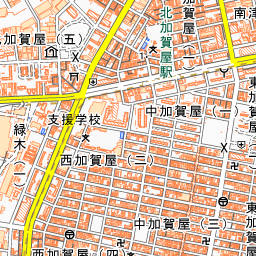
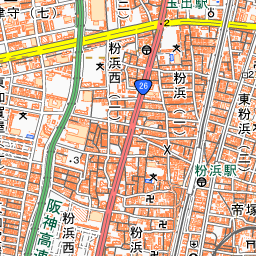
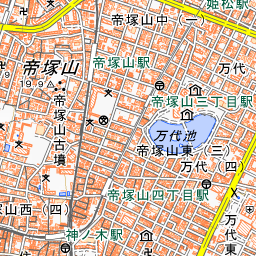
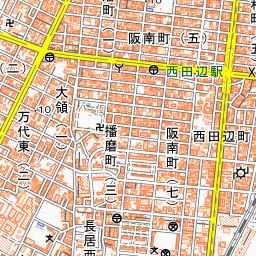
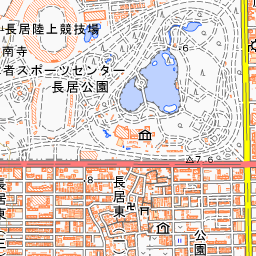
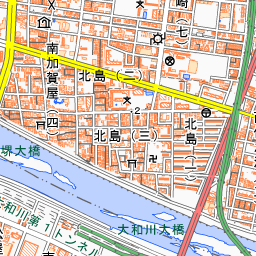
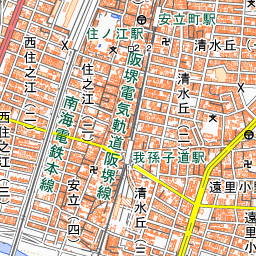
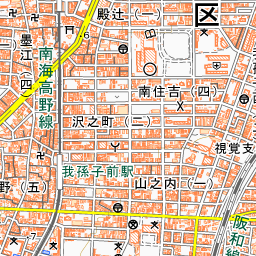
The shrine is located about 280 meters southeast of the main precinct of Sumiyoshi-taisha Shrine. About 30 meters directly south is Otoshi-sha Shrine, the final stop of Hattatsu-mairi, allowing visitors to pay respects at both consecutively. Walking another 230 meters to the south leads to the site of the Sumiyoshi Temporary Palace. The area around the shrine corresponds to the north bank of the Hosoe River.
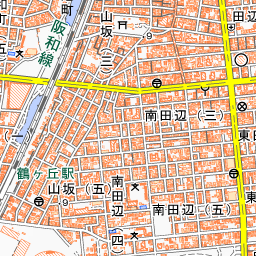
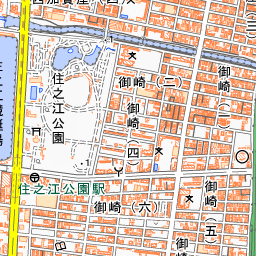

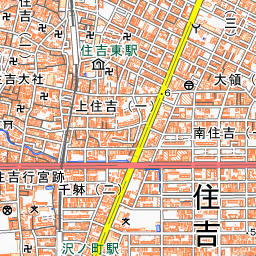
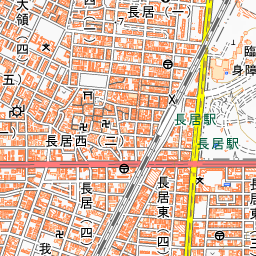
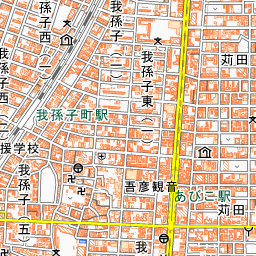
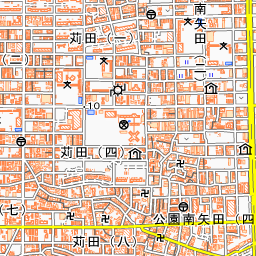
Spot location © OpenStreetMap contributors (ODbL)
Open in Google MapsUse asobot while you walk
- See where you are on the map and find spots nearby
- Listen to the guide's audio in course order, one after another (with subtitles)
- Walk to the next spot while following the map
Open on your phone
Scan to open this spot in asobot on your phone.