 ✨ AI Generated
Daiba Park
Japanese: 台場公園
Minato City, Tokyo
This information was written by AI and may contain mistakes. Please check official sources for opening hours, fees, and other details before you go.
Found a mistake? Let us know with “✏️ Something's wrong” on this spot's screen in asobot →
🎧 Audio guide(1:00)
In short
Daiba Park is an open public park created from Daisan Daiba, an artillery battery site built in the sea by the Edo shogunate toward the end of the Edo period. Constructed following the arrival of Commodore Perry in 1853, it was never used in battle. It is a National Historic Site and, together with the neighboring Dairoku Daiba, has been selected as one of the Continued Top 100 Japanese Castles under the collective name "Shinagawa Daiba."
- Battery Remains: The remains of the artillery battery still stand on the elevated ground along the coast. A replica of a gun emplacement has been placed at the battery site on the southern tip.
- Barracks, Powder Magazine, and Stove Ruins: In the center of the park, foundation stones of the barracks (jinya) that once housed soldiers remain, along with the ruins of a powder magazine and cooking stoves (kamado).
- Views of the Rainbow Bridge: You can look out at the Rainbow Bridge up close and take in panoramic views of the Odaiba cityscape and Tokyo Tower.
History and Highlights
Daiba Park is the site of a late-Edo period artillery battery jutting out past the sandy beach of Odaiba Marine Park. Daisan Daiba, a National Historic Site, is opened to the public as a park.
It began in June 1853 with Commodore Perry's arrival at Uraga. Realizing the acute need to strengthen the defenses of Edo Bay, the Edo shogunate decided to build offshore battery platforms equipped with cannons. These batteries were known as "Odaiba." Under the direction of Egawa Hidetatsu, construction began in August of the same year and was carried out day and night. Soil and rocks used for land reclamation were reportedly excavated from places such as Gotenyama in Shinagawa and the elevated grounds within the precincts of Sengaku-ji Temple.
Although there was an initial plan to construct eleven batteries, only six were ultimately completed. Daisan Daiba was completed in July of the following year, 1854, along with the first and second batteries. In the end, because the opening of the country was decided upon, the batteries were never used in actual combat.
Subsequently, the other batteries were buried by land reclamation or removed, disappearing over time. Only two—Daisan Daiba and Dairoku Daiba—remain today. Both were designated as National Historic Sites in 1926, and Daisan Daiba opened as Daiba Park in July 1928. In April 2017, it was selected alongside Dairoku Daiba as one of the Continued Top 100 Japanese Castles under the name "Shinagawa Daiba." Although it was an island at the time of construction, Daiba Park is now connected to the mainland.
Viewing and Experience Highlights
- Battery Remains: Remains of the artillery battery are located on the elevated ground along the coast. A replica of a gun emplacement is installed at the battery site on the park's southern tip.
- Barracks, Powder Magazine, and Stove Ruins: In the center of the grounds lie the ruins of the barracks, powder magazine, and stoves. The barracks were lodgings for troops, and only their foundation stones remain today. The cooking stove area is set inside the earthen embankment.
- Stone Walls and Embankments: Stone walls 5 to 7 meters high above sea level are stacked around the park, and earthen embankments have been built. The entrance to the park is reached by stairs.
Walking Tips
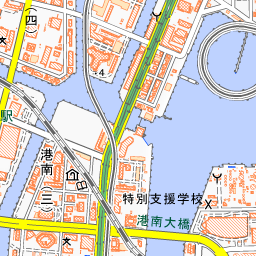
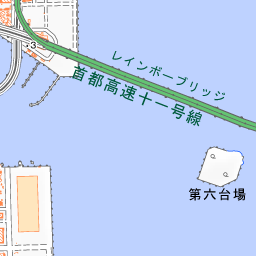
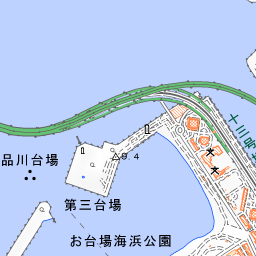
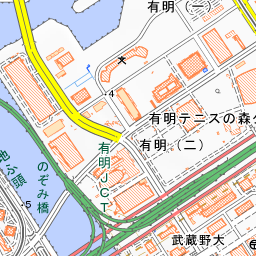
It is about a 15-minute walk from Odaiba-kaihinkoen Station on the Yurikamome Line. Head north from the park's East Exit, located in the center of the sandy beach at Odaiba Marine Park. Along the old breakwater leading to Daiba Park, there are Kawazu cherry trees planted to commemorate the 150th anniversary of the construction of Daisan Daiba, as well as a commemorative monument. From the park, you can view the Rainbow Bridge up close and see the Odaiba cityscape and Tokyo Tower. Dairoku Daiba across the water is off-limits to visitors for conservation purposes, so it is viewed from here. On your way back, the Fuji TV Headquarters Building is located approximately 800 meters to the south-southeast.

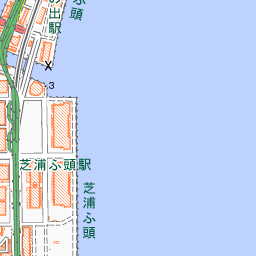
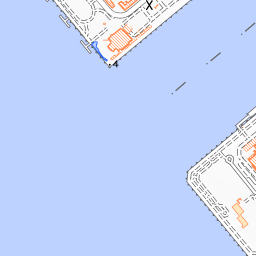
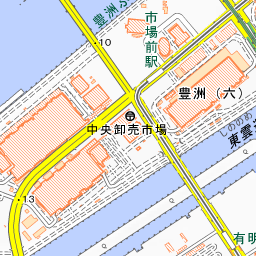
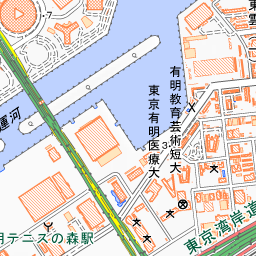


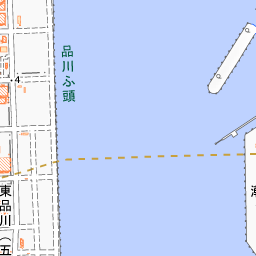
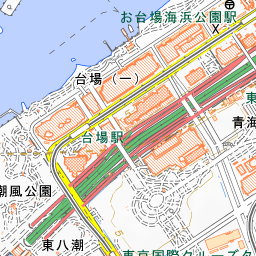
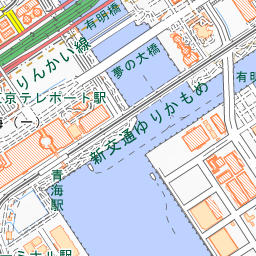
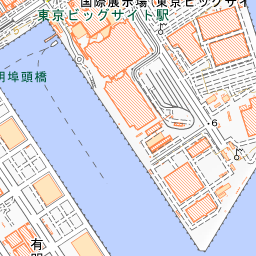
Spot location © OpenStreetMap contributors (ODbL)
Open in Google MapsUse asobot while you walk
- See where you are on the map and find spots nearby
- Listen to the guide's audio in course order, one after another (with subtitles)
- Walk to the next spot while following the map
Open on your phone
Scan to open this spot in asobot on your phone.