 ✨ AI Generated
Tanzan-jinja Shrine
Japanese: 談山神社
Sakurai, Nara
This information was written by AI and may contain mistakes. Please check official sources for opening hours, fees, and other details before you go.
Found a mistake? Let us know with “✏️ Something's wrong” on this spot's screen in asobot →
🎧 Audio guide(1:10)
In short
Tanzan-jinja Shrine, nestled in the mountains of Tonomine rising to the east of Asuka, is dedicated to Fujiwara no Kamatari. It is said to be the place where Prince Naka no Oe and Kamatari held secret talks regarding the Taika Reform, and the shrine's name also originates from this event. The world's only surviving wooden thirteen-story pagoda stands as the emblem of the shrine grounds.
- Thirteen-Story Pagoda: The original pagoda is said to have been built by Kamatari's eldest son, the monk Joe. The current 17-meter-tall pagoda, with its cypress bark roof (hiwadabuki), was rebuilt in 1532 (Kyoroku 5).
- Vermilion-Lacquered Shinto Buildings: Many buildings, including the main sanctuary (honden), worship hall (haiden), and tower gate (romon), are designated Important Cultural Properties.
- Cherry Blossoms and Autumn Foliage: With numerous cherry and maple trees on its grounds, the shrine is known as the "Nikko of Kansai."
History and Highlights
The enshrined deity of Tanzan-jinja Shrine is Fujiwara no Kamatari. According to the shrine's historical records, Prince Naka no Oe (later Emperor Tenji) and Nakatomi no Kamako (later Fujiwara no Kamatari) met at a kemari (ancient kickball) gathering at Hoko-ji Temple in Asuka. When the wisteria flowers were in full bloom, the two held secret talks on the mountain behind the main sanctuary. Later, in 645 (the 4th year of Empress Kogyoku's reign), they assassinated Soga no Iruka at Asuka Itabuki no Miya. Tonomine later came to be called Kataraiyama (talking mountain) among other names, which is also the origin of the shrine's current name.
Kamatari's tomb was originally constructed at Mt. Ai in Settsu Province. According to the shrine's history, in 678 (Hakuho 7), his eldest son, the monk Joe, returned from Tang China, reinterred a portion of his father's remains at the summit of Tonomine, erected a thirteen-story pagoda and a lecture hall, and named the complex Myoraku-ji Temple. In 701 (Taiho 1), a sanctuary was built to enshrine a statue of Kamatari, which is considered the beginning of Tanzan-jinja Shrine. It remained a temple until the separation of Shinto and Buddhism in the Meiji period.
The current thirteen-story pagoda was rebuilt in 1532 (Kyoroku 5) and is an Important Cultural Property. It is considered the only surviving wooden thirteen-story pagoda in the world. The main sanctuary, rebuilt in 1850 (Kaei 3), is a vermilion-lacquered and richly colored Shinto hall designated as an Important Cultural Property. The worship hall was constructed in 1520 (Eisho 17), and its central ceiling is made of aloeswood (kyara). The Shinbyo-haisho (shrine mausoleum worship hall) is the lecture hall of Myoraku-ji said to have been built by the monk Joe, with the current structure being a reconstruction from 1668 (Kanbun 8). In addition to the main sanctuary, the worship hall, tower gate, and Shinbyo-haisho are also designated national Important Cultural Properties.
Viewing and Experience Highlights
- Gazing up at the Thirteen-Story Pagoda: Standing 17 meters tall with a cypress bark roof, this pagoda is the symbol of the shrine. Look up from below to admire the layering of its eaves.
- Open Corridors (Sukiro) Surrounding the Main Sanctuary: The bending east and west open corridors form a rare layout enclosing the main sanctuary. The cypress bark roofs are also a highlight.
- Kemari Festival: Commemorating the meeting of Prince Naka no Oe and Kamatari at a kickball gathering, people dressed in traditional mari robes perform ritual kemari every spring and autumn.
Tips for Exploring
The nearest station is Sakurai Station on the Kintetsu and JR lines; from the south exit, take a Nara Kotsu bus for about 25 minutes. Get off at the final stop and walk for about 3 minutes. As this bus also stops at Shorin-ji Temple, you can stop by Shorin-ji Temple, located about 3 kilometers north-northwest, on your way back. Due to traffic congestion and other factors, buses may terminate early at the preceding "Tonomine" stop. Climbing the mountain trail from the shrine brings you to Mt. Goharetsu (Goharetsuzan), where Kamatari's grave is located. It is 510 meters from the trail entrance, about a 20-minute walk. The grounds feature many cherry and maple trees and are referred to as the "Nikko of Kansai." The Annual Grand Festival on November 17 marks the anniversary of Kamatari's death. Around that day, the autumn foliage is at its peak and the shrine becomes very crowded.


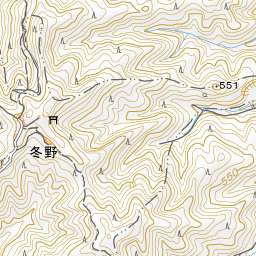
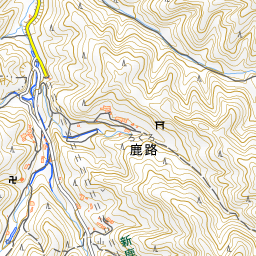
Spot location © OpenStreetMap contributors (ODbL)
Open in Google MapsGuides that include this spot (1)
Use asobot while you walk
- See where you are on the map and find spots nearby
- Listen to the guide's audio in course order, one after another (with subtitles)
- Walk to the next spot while following the map
Open on your phone
Scan to open this spot in asobot on your phone.