 ✨ AI Generated
No. 5 Fujii-dera Temple
Japanese: 第五番 葛井寺
Fujiidera, Osaka
This information was written by AI and may contain mistakes. Please check official sources for opening hours, fees, and other details before you go.
Found a mistake? Let us know with “✏️ Something's wrong” on this spot's screen in asobot →
🎧 Audio guide(1:14)
In short
A temple of the Omuro branch of Shingon Buddhism, known as the 5th temple of the Saigoku Thirty-Three Kannon Pilgrimage. According to temple tradition, it was founded for the benefit of the nation by the Fujii clan, descendants of Baekje royalty. The place name Fujiidera City is derived from this temple.
- National Treasure Thousand-Armed Kannon: The principal image, a seated statue of Eleven-Faced Thousand-Armed Thousand-Eyed Kannon Bodhisattva, is regarded as the only Buddhist statue from the Tenpyo era in Osaka Prefecture. In addition to the two arms joined in prayer, 1,041 arms extend from its back, and each of the small hands has an eye painted on its palm. It is a hidden Buddhist image (hibutsu), and its doors are opened on the 18th of every month
- The Shikyakumon Gate Built by Hideyori: The gate at the western entrance was built in 1601 by Toyotomi Hideyori as the temple's main gate, and is designated as a National Important Cultural Property
- Wisteria Coloring the Grounds: Around late April, wisteria trellises in five locations across the grounds turn purple, and a wisteria festival is held. Because it is held to coincide with the blooming, the timing varies from year to year
History and Highlights
Fujii-dera Temple is a temple of the Omuro branch of Shingon Buddhism, known as the 5th temple of the Saigoku Thirty-Three Kannon Pilgrimage. According to temple tradition, it was founded for the benefit of the nation by the Fujii clan, descendants of Baekje royalty, who cooperated with the Emperor of the time in his efforts to promote Buddhism. The place name Fujiidera City is derived from this temple.
The principal image, a seated statue of Eleven-Faced Thousand-Armed Thousand-Eyed Kannon Bodhisattva, is a National Treasure. Tradition holds that its eye-opening consecration ceremony was performed in 725 by Gyoki by imperial order of Emperor Shomu. It is regarded as the only Buddhist statue from the Tenpyo era in Osaka Prefecture. While many Thousand-Armed Kannon statues express a thousand hands with 42 arms, this statue has 1,041 arms extending from its back in addition to the two hands joined in prayer. The 40 large hands hold Buddhist treasures, and the 1,001 small hands spread behind like the tail feathers of a peacock, each with an eye painted on its palm. The principal image is a hidden Buddhist image (hibutsu), and its doors are opened on the 18th of every month.
The temple was destroyed multiple times by fires and earthquakes, and the current main hall is a structure from the 1770s. The oldest surviving building is the gate located at the western entrance.
Viewing and Experience Highlights
- The Shikyakumon Gate Built by Hideyori: The gate at the western entrance was built in 1601 by Toyotomi Hideyori as the temple's main gate and is designated as a National Important Cultural Property. Visitors can observe the lavishly decorated craftsmanship favored during the Momoyama period.
- Wisteria Coloring the Grounds: Wisteria grows in great abundance at the temple. Around late April, wisteria trellises in five locations across the grounds turn purple, and a wisteria festival is held. Because it is held to coincide with the blooming, the timing varies from year to year.
- Origin of the Mountain Name Shiunzan: The temple's goeika (pilgrimage poem) reads: Mairu yori tanomi o kakuru Fujiidera hana no utena ni murasaki no kumo ("From the moment of worship, I place my trust in Fujii-dera Temple; upon the lotus pedestal of flowers, a purple cloud appears"). It is said that when Cloistered Emperor Kazan visited during the wisteria season and composed the first half of the verse, purple clouds drifted from between the brows of the principal image, whereupon the Cloistered Emperor immediately composed the second half and dedicated it. The temple's mountain name, Shiunzan (Purple Cloud Mountain), is considered to derive from this tale.
Tips for Exploring
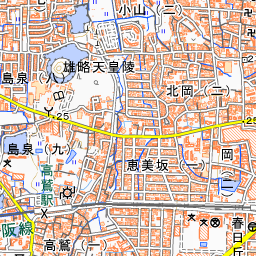
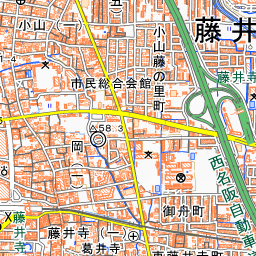
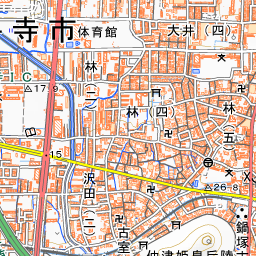
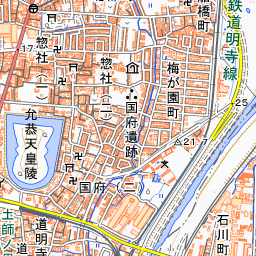
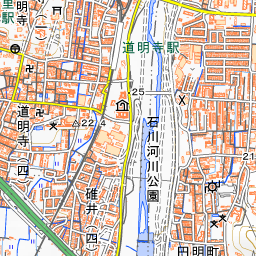
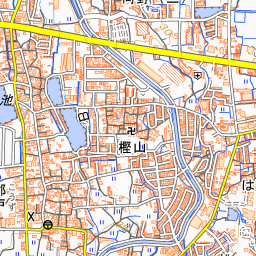
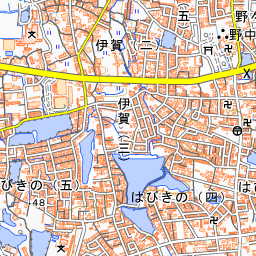
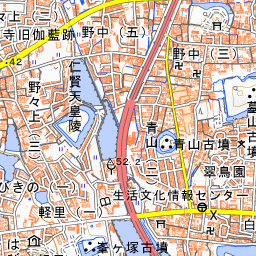
The temple is located on the south side of Fujiidera Station on the Kintetsu Minami-Osaka Line, about a 5-minute walk away. About 1.8 kilometers to the east lies Domyo-ji Temple, whose principal image is a National Treasure Eleven-Faced Kannon; Fujii-dera Temple, Domyo-ji Temple, and Kanshin-ji Temple are introduced as three temples in Minamikawachi that enshrine National Treasure Kannon statues as their principal images. Kondagobyoyama Kofun Burial Mound is about 1.4 kilometers to the southeast, and Tsudo Shiroyama Kofun Burial Mound is about 1.4 kilometers to the north, allowing you to combine your visit with tours of ancient burial mounds.

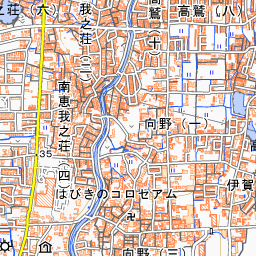
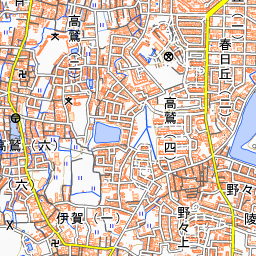
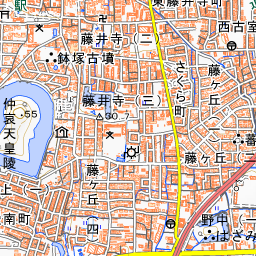
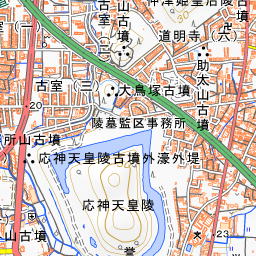

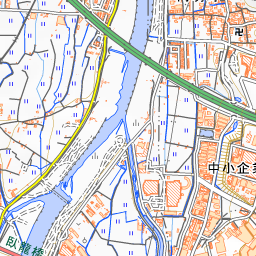
Spot location © OpenStreetMap contributors (ODbL)
Open in Google MapsGuides that include this spot (1)
Use asobot while you walk
- See where you are on the map and find spots nearby
- Listen to the guide's audio in course order, one after another (with subtitles)
- Walk to the next spot while following the map
Open on your phone
Scan to open this spot in asobot on your phone.