 ✨ AI Generated
Nankun-sha Shrine
Japanese: 楠珺社
Sumiyoshi Ward, Osaka
This information was written by AI and may contain mistakes. Please check official sources for opening hours, fees, and other details before you go.
Found a mistake? Let us know with “✏️ Something's wrong” on this spot's screen in asobot →
🎧 Audio guide(1:20)
In short
A subordinate shrine located within the grounds of Sumiyoshi-taisha Shrine, serving as the central shrine for the Hattatsu-mairi pilgrimage. Affectionately called "Hattatsu-san," it has long received deep devotion from merchants and businesspeople. It is dedicated to business prosperity and household safety, enshrining the deity Ukanomitama-no-kami.
- Shofukuneko (Good Fortune Cats): The Shofukuneko received monthly are famous, and by custom, worshippers seek a cat with its left paw raised in odd-numbered months and one with its right paw raised in even-numbered months. Worshippers collect one small cat on each first Day of the Dragon, and exchange them for a medium cat and then a large cat
- Hattatsu-mairi: On the first Day of the Dragon each month, it is customary to visit four shrines: Tanekashi-sha Shrine, Nankun-sha Shrine, Asazawa-sha Shrine, and Otoshi-sha Shrine. Taking four years as one cycle, visiting 48 times brings the fulfillment of one's vows (mangan-joju), which comes from "shiju-hattatsu": "forty-eight Dragon Days" sounds the same as a phrase meaning continuous development from beginning to end
- Camphor Tree Over 1,000 Years Old: This giant camphor tree is considered the origin of Nankun-sha Shrine. During the Edo period, people prayed to the mystical spiritual power of this tree
History and Highlights
Nankun-sha Shrine is a subordinate shrine located within the grounds of Sumiyoshi-taisha Shrine and serves as the central shrine for the Hattatsu-mairi pilgrimage. Affectionately called "Hattatsu-san," it has long received deep devotion from merchants and businesspeople. It is dedicated to business prosperity and household safety, enshrining the deity Ukanomitama-no-kami.
On the grounds stands a camphor tree over 1,000 years old. During the Edo period, people prayed to the mystical spiritual power of this tree. It is said that later, a small shrine was built at its base to enshrine the deity.
"Hattatsu" refers to the first Day of the Dragon in each month. On this day, it is customary to visit four shrines: Tanekashi-sha Shrine, Nankun-sha Shrine, Asazawa-sha Shrine, and Otoshi-sha Shrine. Nankun-sha Shrine is the second shrine visited, where worshippers pray for the "development of their wishes." Visiting 48 times over a four-year period is considered the fulfillment of one's vows (mangan-joju), which comes from "shiju-hattatsu": "forty-eight Dragon Days" sounds the same as a phrase meaning continuous development from beginning to end. An annual grand festival of Nankun-sha Shrine is held on the first Day of the Dragon in May.
Viewing and Experience Highlights
- Shofukuneko (Good Fortune Cats): The Shofukuneko received monthly at Nankun-sha Shrine are widely known. A cat with its left paw raised is believed to bring household safety and attract people, while a cat with its right paw raised is believed to bring business prosperity and wealth. By custom, worshippers seek a left-paw cat in odd-numbered months and a right-paw cat in even-numbered months.
- From Small Cats to Large Cats: Worshippers collect one small cat on each first Day of the Dragon. When 48 are gathered over four years, they can be exchanged for one medium cat. Gathering two medium cats and another 48 small cats allows an exchange for one large cat in the 12th year. By obtaining large cats with both left and right paws raised over 24 years, one's greatest wishes are believed to be fulfilled.
- Camphor Tree Over 1,000 Years Old: This giant camphor tree is considered the origin of Nankun-sha Shrine. Pay your respects to the deity of commerce while feeling the spiritual energy to which Edo-period worshippers once prayed.
Tips for Visiting
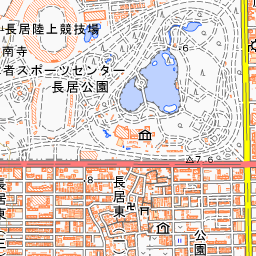
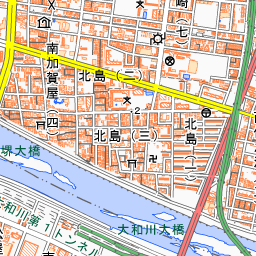
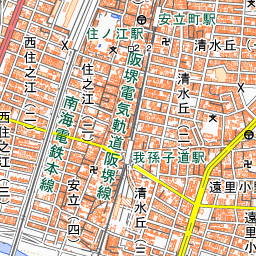
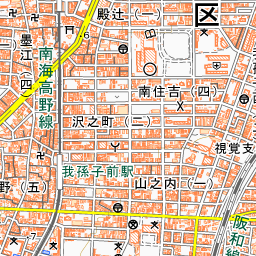
Sumiyoshi-taisha Shrine is a 3-minute walk east of Sumiyoshitaisha Station on the Nankai Main Line. On the days of Hattatsu-mairi, many visitors travel from afar hoping for business prosperity, and the shrine becomes extremely lively with large crowds from early morning. Asazawa-sha Shrine, the next stop in the Hattatsu-mairi pilgrimage, is located about 190 meters south of Nankun-sha Shrine. Visiting them along with the main hall and the Sorihashi Bridge of Sumiyoshi-taisha Shrine will allow you to gain a deeper sense of the devotion in Sumiyoshi.
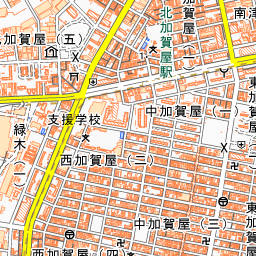
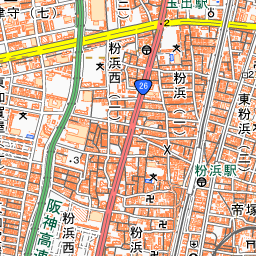
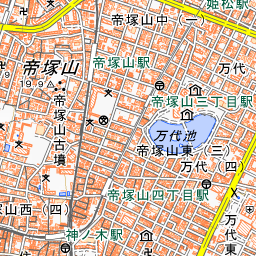
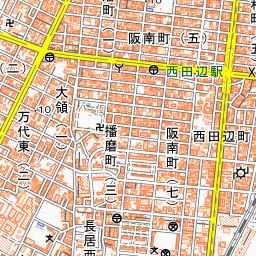

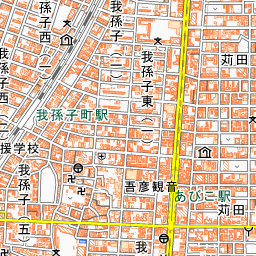
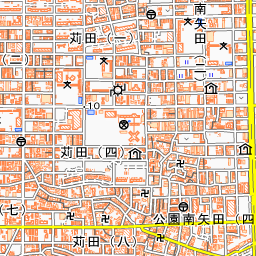
Spot location © OpenStreetMap contributors (ODbL)
Open in Google MapsUse asobot while you walk
- See where you are on the map and find spots nearby
- Listen to the guide's audio in course order, one after another (with subtitles)
- Walk to the next spot while following the map
Open on your phone
Scan to open this spot in asobot on your phone.