 ✨ AI Generated
Kinkaku-ji Temple
Japanese: 金閣寺
Kita Ward, Kyoto
This information was written by AI and may contain mistakes. Please check official sources for opening hours, fees, and other details before you go.
Found a mistake? Let us know with “✏️ Something's wrong” on this spot's screen in asobot →
🎧 Audio guide(1:11)
In short
Kinkaku-ji Temple, formally named Rokuon-ji Temple, is a Zen temple of the Rinzai sect's Shokoku-ji school. It began as Kitayama-dono, the villa that Ashikaga Yoshimitsu, the third shogun of the Muromachi shogunate, began building in 1397, and after Yoshimitsu's death, by his will, it became a Zen temple. Its strolling pond garden is designated as both a Special Historic Site and a Special Place of Scenic Beauty, and in 1994, it was registered as a World Cultural Heritage site as one of the "Historic Monuments of Ancient Kyoto."
- Shariden of three architectural styles: The Golden Pavilion is a structure representing the Muromachi period that harmonizes three styles: the first floor is in the shinden-zukuri palace style, the second in the buke-zukuri warrior style, and the third in the Chinese Zen temple style. Pure gold leaf is applied over lacquer on the second and third floors, and a phoenix glimmers atop the roof. It was destroyed by arson in 1950 and rebuilt in 1955
- Kyokochi Pond and Ryumon-taki Waterfall: Kyokochi Pond, spread out in front of the Golden Pavilion, features large and small islands and prized stones, and the scenery of the islands changes depending on the viewing position. At the 2.3-meter-high Ryumon-taki Waterfall rests the Rigyo-seki (Carp Stone), associated with the legend of the carp climbing the dragon gate
- Sekka-tei Teahouse: A teahouse on the highest ground in the precincts, named for the particularly fine view of the Golden Pavilion glowing in the evening sun. It is known for its alcove pillar of heavenly bamboo and its staggered shelves of bush clover
History and Highlights
Kinkaku-ji Temple, officially named Rokuon-ji Temple, is a Zen Buddhist temple of the Rinzai sect's Shokoku-ji school and one of Shokoku-ji Temple's sangai tatchu (sub-temples located outside the main temple precincts). The site originally held a villa belonging to Saionji Kintsune, a court noble of the Kamakura period; Ashikaga Yoshimitsu, the third shogun of the Muromachi shogunate, took over the property and began building his villa, Kitayama-dono, in 1397. In 1408, he welcomed Emperor Gokomatsu here for a lavish banquet. The Chinese culture that Yoshimitsu acquired through trade with Ming Dynasty China was gathered at this site, and the culture of this era is known as Kitayama Culture. Following Yoshimitsu's death, by his will, it became a Zen temple with Muso Kokushi as its founding priest, and was named Rokuon-ji Temple after Yoshimitsu's Buddhist name, Rokuon-inden.
The Golden Pavilion, which serves as the Shariden (relic hall), was destroyed by arson in 1950 and rebuilt in 1955. Its strolling pond garden has been designated as both a Special Historic Site and a Special Place of Scenic Beauty, and in 1994, it was registered as a World Cultural Heritage site as one of the "Historic Monuments of Ancient Kyoto."
Highlights for Viewing and Experiencing
- Shariden of Three Architectural Styles: The Golden Pavilion is a structure representing the Muromachi period that harmonizes three distinct styles: the first floor is the Hossui-in in the shinden-zukuri palace style, the second floor is the Choon-do in the buke-zukuri warrior style, and the third floor is the Kukkyo-cho in the Chinese Zen temple style. Pure gold leaf is applied over lacquer on the second and third floors, and a phoenix glimmers atop the roof. In 1987, re-lacquering and re-application of the gold leaf were carried out.
- Kyokochi Pond and Ryumon-taki Waterfall: Spread out in front of the Golden Pavilion is Kyokochi Pond, featuring large and small islands such as Ashiharajima as well as prized stones such as the Hatakeyama stone; the scenery of the islands changes depending on the viewing position. On the north side of the Golden Pavilion is the Ginga-sen spring, which is said to have provided Yoshimitsu with water for making tea, and at the 2.3-meter-high Ryumon-taki Waterfall rests the Rigyo-seki (Carp Stone), associated with the Chinese legend of the carp climbing the dragon gate.
- Sekka-tei Teahouse and Fudo-do Hall: Situated on the highest ground in the precincts, Sekka-tei Teahouse was built by the tea master Kanamori Sowa for Retired Emperor Gomizunoo at the request of Horin Josho, who restored the Golden Pavilion during the Edo period. Named for the particularly fine view of the Golden Pavilion glowing in the evening sun, it is known for its alcove pillar made of heavenly bamboo and its staggered shelves made of bush clover wood. The principal image of the Fudo-do Hall is a stone Fudo Myo-o, a hidden Buddhist image said to have been carved by Kobo Daishi, and unveiling ceremonies are held on February 3 and August 16.
Walking Tips
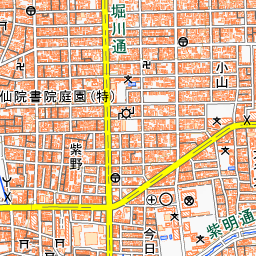
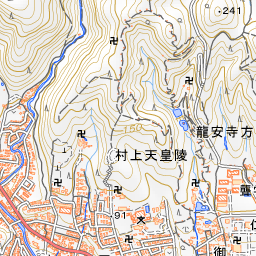
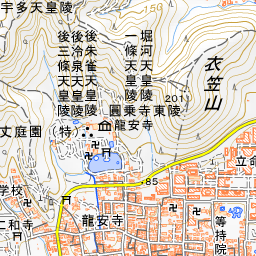
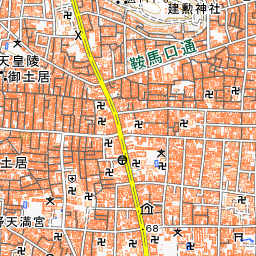
It is about a 3-minute walk from the "Kinkakuji-michi" Kyoto City Bus stop. In the precinct's garden, there are stairs past the side of the Golden Pavilion. Visitors using wheelchairs or strollers can proceed up to right beside the Golden Pavilion without large level differences, but will need to turn back before the stairs and exit through the entrance for visitors. In the same Kita Ward, Daitoku-ji Temple and Imamiya-jinja Shrine are also located and are introduced as separate spots.

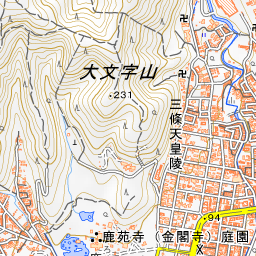

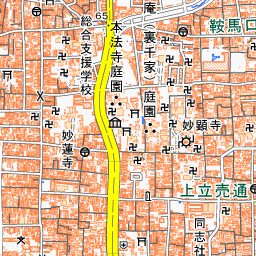
Spot location © OpenStreetMap contributors (ODbL)
Open in Google MapsGuides that include this spot (1)
Use asobot while you walk
- See where you are on the map and find spots nearby
- Listen to the guide's audio in course order, one after another (with subtitles)
- Walk to the next spot while following the map
Open on your phone
Scan to open this spot in asobot on your phone.