 ✨ AI Generated
Former Maekawa Residence
Japanese: 旧前川邸
Nakagyo Ward, Kyoto
This information was written by AI and may contain mistakes. Please check official sources for opening hours, fees, and other details before you go.
Found a mistake? Let us know with “✏️ Something's wrong” on this spot's screen in asobot →
🎧 Audio guide(1:06)
In short
The Former Maekawa Residence served as headquarters for the Shinsengumi for about two years starting in 1863 (Bunkyu 3). The Roshigumi, who later became the Shinsengumi, took up lodgings divided mainly between the Maekawa Residence and the Yagi Residence and other houses, marking the starting point of the Shinsengumi. Because it remains a private home today, visitors can only tour the storehouses and the earthen-floored entrance area.
- East Storehouse (Higashi no Kura): Built in 1839 (Tenpo 10) as a storehouse for valuables, it features a quadruple-layered entrance door. In 1864 (Genji 1), the torture of Furutaka Shuntaro, which triggered the Ikedaya Incident, took place in this storehouse
- West Storehouse (Nishi no Kura): An earthen storehouse built in 1837 (Tenpo 8) as a miso storehouse. Following conservation and repair work, it was opened to the public for the first time in 2026 (Reiwa 8), and now functions as a shop selling books and goods related to the Shinsengumi and the Former Maekawa Residence
- Nagayamon Gate and Earthen Floor (Doma): The nagayamon gate is the gate through which the squad members entered and exited the headquarters. The earthen-floored entrance area was the service entrance back then, and it is said that the Shinsengumi sometimes practiced swordsmanship here on rainy days
History and Highlights
The Former Maekawa Residence served as headquarters for the Shinsengumi for about two years starting in 1863 (Bunkyu 3). When selecting lodgings for the arriving Roshigumi (who later became the Shinsengumi), the task was entrusted to the main Maekawa family, who served as kakeya (financial agents handling public funds for the Imperial Palace and the Kyoto Shoshidai) and enjoyed the deep trust of government officials. The main Maekawa family provided the estate of their relative, Maekawa Shoji, located in Mibu—an area on the outskirts of Kyoto that was nonetheless close to Nijo Castle. The Roshigumi took up lodgings divided mainly between the Maekawa Residence and the Yagi Residence, marking the starting point of the Shinsengumi.
After becoming their headquarters, most of the wooden board fences surrounding the estate were replaced with earthen walls to strengthen defenses against anti-shogunate forces. A projecting lattice window (degoushi) was also added to the east side of the nagayamon (row-house gate) for watchkeeping, and an escape route was built leading from the closet of the main building out to Bojo-dori Street. On June 5, 1864 (Genji 1), the interrogation and torture of Furutaka Shuntaro—which triggered the Ikedaya Incident—took place in the earthen storehouse of this residence. The following year, on February 23, Yamanami Keisuke, the Shinsengumi's general secretary (socho), committed seppuku in a room facing Bojo-dori Street, with Okita Soji acting as his kaishakunin (second) at Yamanami's own request. On March 10, 1865 (Genji 2), the Shinsengumi relocated their headquarters to Nishi Hongwanji Temple, stating that their numbers had grown and the quarters had become too cramped.
Viewing and Experience Highlights
- East Storehouse (Higashi no Kura): Built in 1839 (Tenpo 10) as a storehouse for valuables, it features a quadruple-layered entrance door. Furutaka Shuntaro was suspended from the second floor of this storehouse and tortured by Hijikata Toshizo and others. Opening the storehouse window offers a clear view of the Yagi Residence through the mesh.
- West Storehouse (Nishi no Kura): An earthen storehouse built in 1837 (Tenpo 8) as a miso storehouse. Following conservation and repair work, it was opened to the public for the first time in 2026 (Reiwa 8), and now functions as a shop selling books and goods related to the Shinsengumi and the Former Maekawa Residence.
- Nagayamon Gate and Earthen Floor (Doma): The nagayamon gate, which retains traces of the late Edo period, is the gate through which the squad members entered and exited the headquarters. The earthen-floored entrance area was the service entrance back then; it features a very high ceiling, and it is said that the Shinsengumi sometimes practiced swordsmanship here on rainy days.
Tips for Exploring
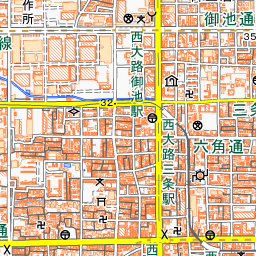
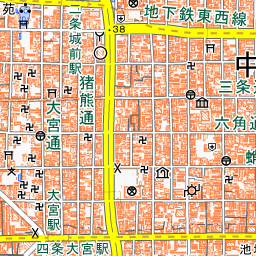
Because the Former Maekawa Residence remains a private home today, the tatami rooms of the main building are not open to the public; visitors can only tour the storehouses and the earthen-floored entrance area. Please view quietly and respectfully, keeping the residents and neighborhood in mind. It is about an 8-minute walk from Omiya Station on the Hankyu Line or Shijo-Omiya Station on the Keifuku Electric Railroad Arashiyama Line. The Yagi Family Residence, regarded as the birthplace of the Shinsengumi, and Mibu-dera Temple, home to the Mibuzuka Mound where troop members are buried, are also nearby. Both the Yagi Residence and the Former Maekawa Residence still stand along Bojo-dori Street in front of the east gate of Mibu-dera Temple.




Guides that include this spot (1)
Use asobot while you walk
- See where you are on the map and find spots nearby
- Listen to the guide's audio in course order, one after another (with subtitles)
- Walk to the next spot while following the map
Open on your phone
Scan to open this spot in asobot on your phone.